
Monumentos de Granada
Church of St. Nicholas and Its Tower
Mudejar
Audio Guides Included
XVI
~ 60 min
About the Monument
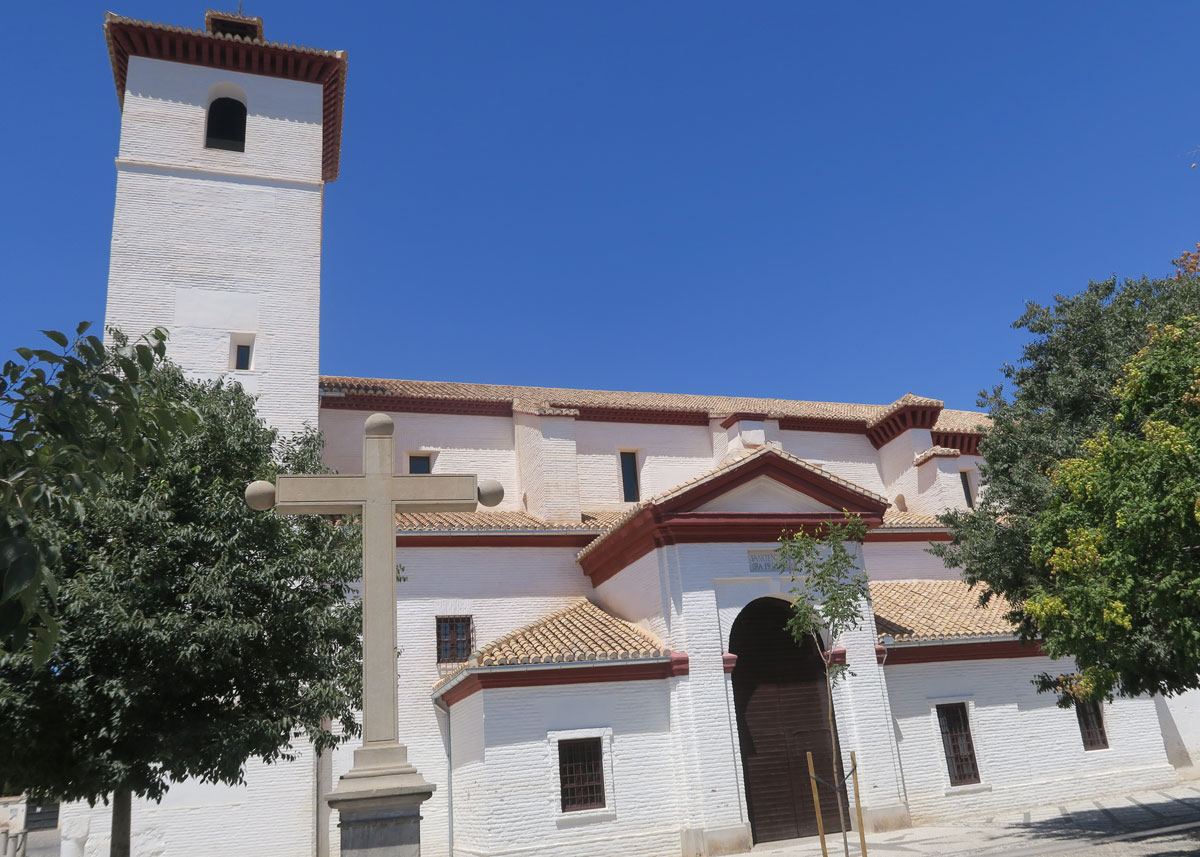
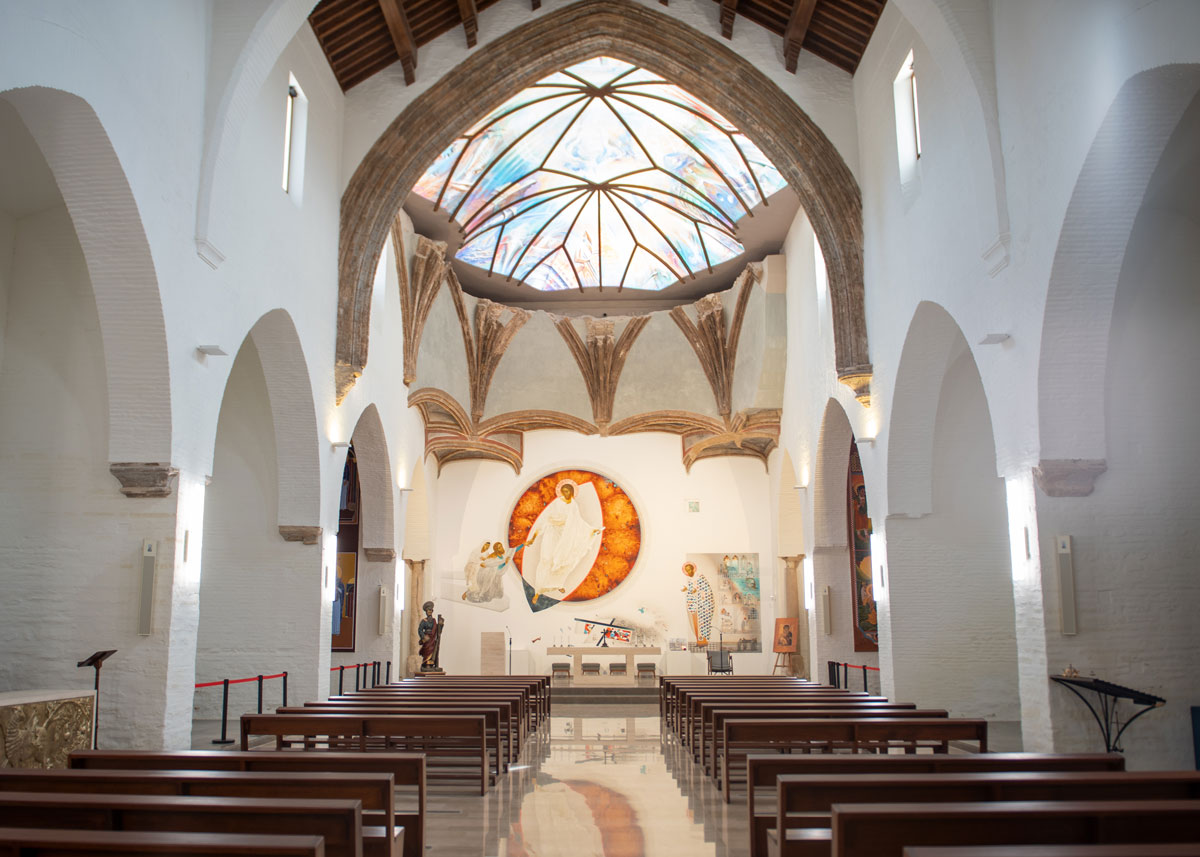
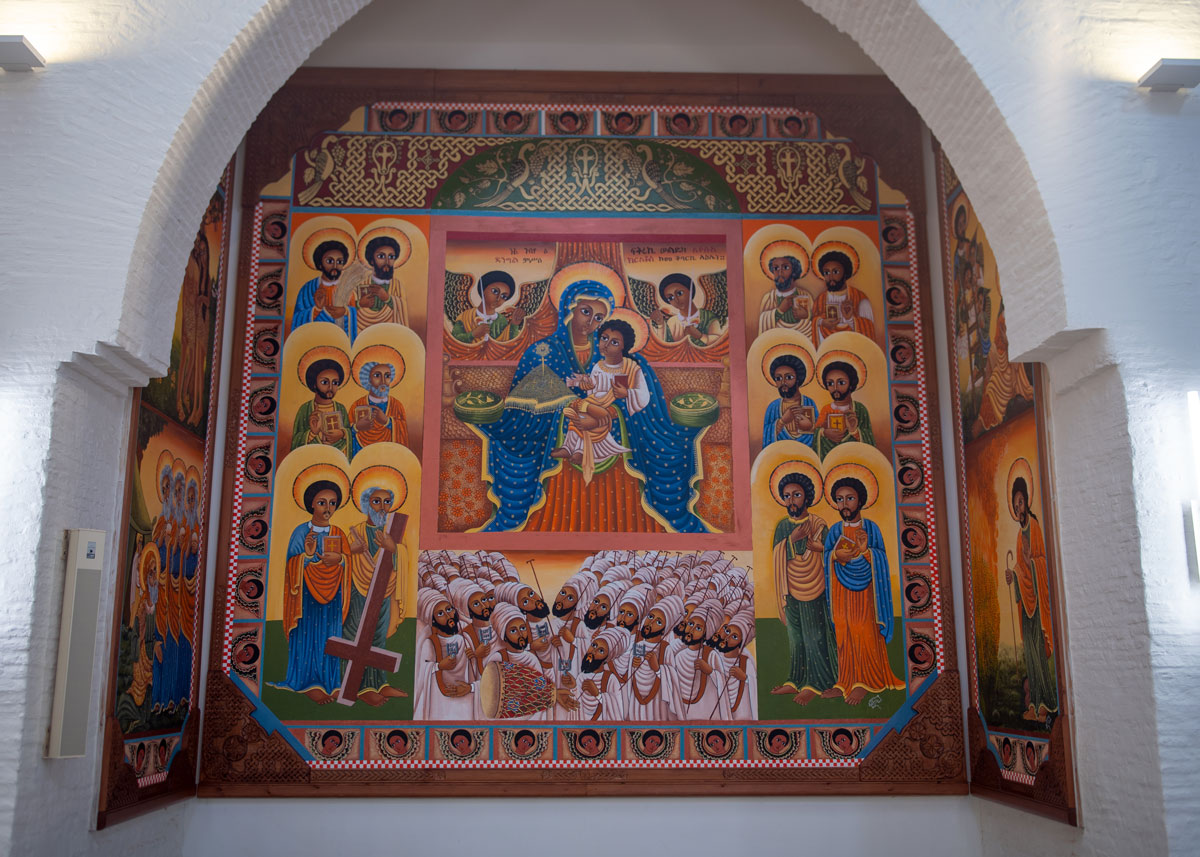
The Church of San Nicolás is conceived as a welcoming space for the Church in Granada, open to everyone, without exception. Following a major restoration project that lasted several years, the church was opened ahead of schedule on March 11, 2022, with a very specific purpose: to provide a space for gathering and prayer for world peace.
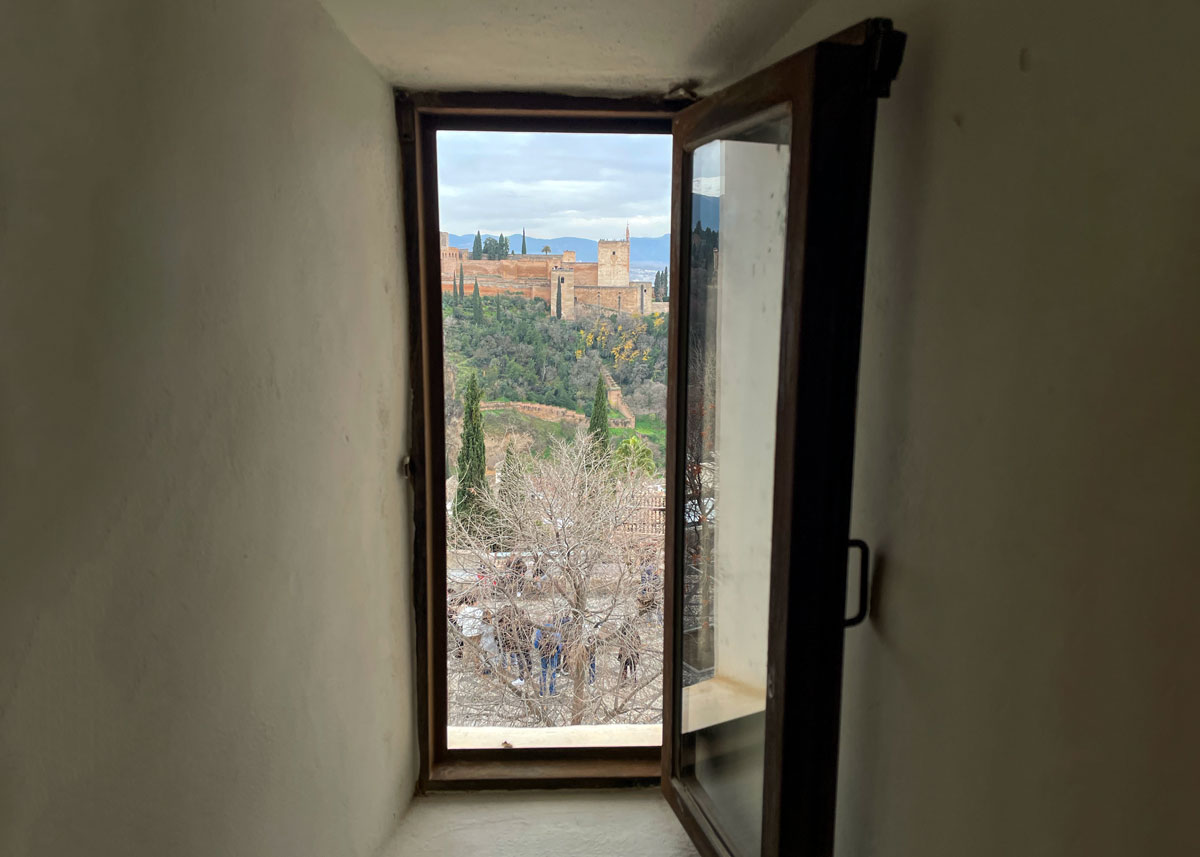
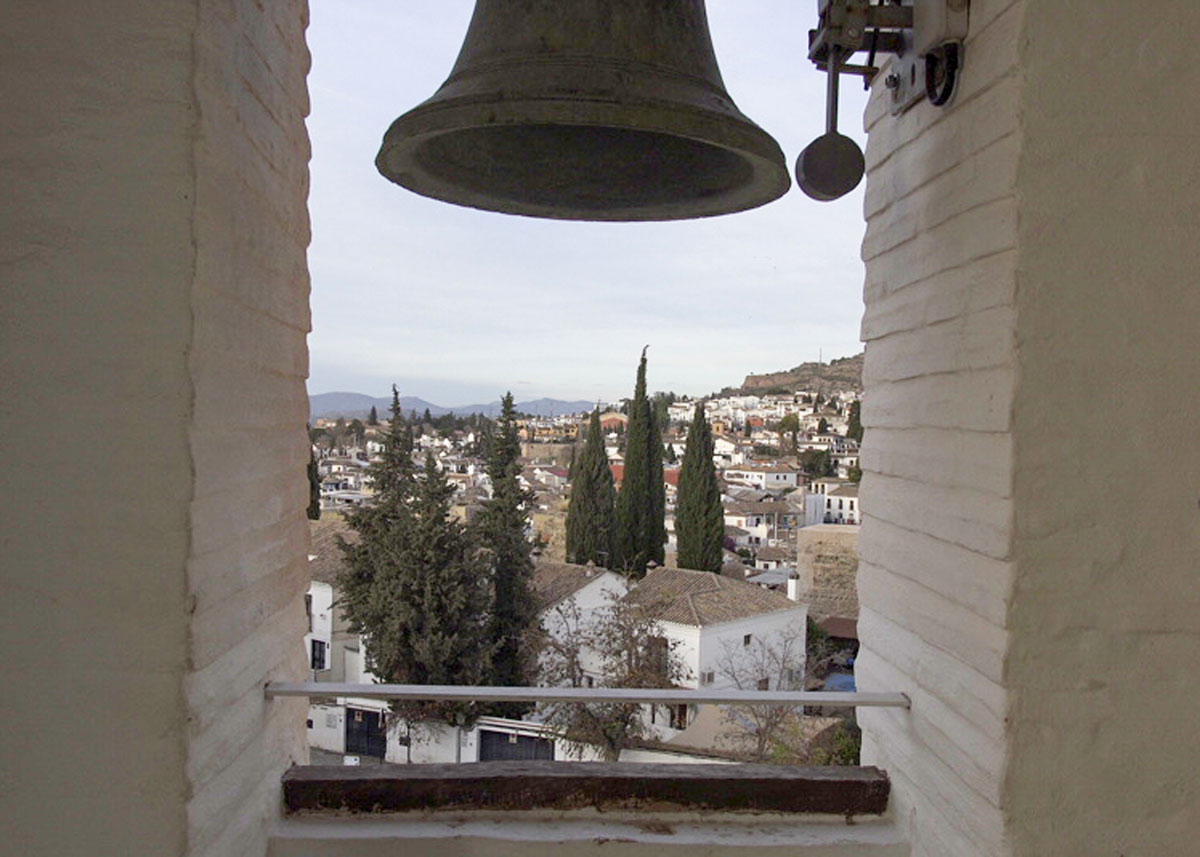
Located in the heart of the ancient Albaicín neighborhood and right across from the famous viewpoint that bears its name, this church offers a two-part experience. On the one hand, there’s a cultural tour of the church’s interior, which is completely free to enter; and on the other, there’s the climb up the tower—for which you’ll need to purchase a ticket—offering spectacular panoramic views of the historic sites and the city.
History of the Monastery of San Nicolás
The history of this church is closely linked to the religious and urban transformation of Granada following the Reconquista, and it has established itself as one of the spiritual centers of the Albaicín.
Origin and Founding of the Temple
The documented origins of the monument date back to 1501. The Church of San Nicolás belongs to the select group of parishes established in the city by papal bull issued by Cardinal Pedro González de Mendoza. From its inception, together with the Convent of San Agustín and the Monastery of Las Tomasas, it formed an important and significant “sacred” center within the urban fabric of the historic neighborhood.
Gothic-Mudejar Architecture and Construction
The main construction work on the building was completed in 1525 under the direction of master builder Rodrigo Hernández. Stylistically, the church follows a Gothic-Mudejar architectural style that was very characteristic of the period. It was designed with a rectangular floor plan measuring 19 meters wide by 33 meters long, divided into five distinct sections by four pointed-arch diaphragms resting on elegant corbels, which originally housed five side chapels.
The Construction of the Tower
A few years after the main structure was completed, in 1543, construction of its distinctive tower was finished. As a testament to its golden age, the structure still bears the carved coat of arms of Francisco Niño de Guevara, who was the seventh archbishop of Granada and under whose leadership the construction of this landmark—visible from throughout the city—was completed.
Centuries of Adversity and Transformation
Over the centuries, the building has had to weather numerous natural, historical, and demographic events that altered its appearance and function:
-
The 1614 Earthquake: A powerful earthquake struck the city, causing significant damage to the temple's structure.
-
The Lightning Strike of 1828: On February 21 of that year, a bolt of lightning struck the tower directly—a historic event documented in records preserved in the Alhambra archives.
-
1830 Expansion: Improvement and expansion work was undertaken on the facade, creating the current entrance to the church.
-
Closure of the parish (1842): Due to the gradual decline in the number of parishioners in the area, the parish was dissolved, and the church was placed under the jurisdiction of the nearby Church of San José, marking the beginning of a long period of decline.
Renaissance and Current Restoration
After suffering significant damage (such as the collapse of the sacristy roof in 1924), the church entered a new phase in the 21st century. Thanks to a comprehensive restoration and revitalization project, the facades were stabilized, the roofs were secured, and the tower was reinforced. This allowed for its early reopening on March 11, 2022, with a very specific purpose: to provide a restored space for gathering and praying for world peace, thereby returning this Gothic-Mudejar legacy to the people of Granada and to tourists.
Practical Information
Cultural tours are available year-round, except during worship services and other religious celebrations. Please confirm the schedule before your visit.
- Free audio tour via app
- Accessible with some limitations. The church is accessible, but the tower does not have an elevator.
- Book in advance
- Free audio tour via app
In the afternoons, it is open at varying times throughout the year, depending on the amount of sunlight.
Visitor Guidelines
- Inside the Church of San Nicolás, photography and video recording are permitted, but without flash, spotlights, tripods, or selfie sticks.
- During liturgical services, tourists are not allowed inside the church.
- Eating and drinking are prohibited inside.
- You must remain silent and dress appropriately inside the temple.
- Please turn off your cell phone out of respect for those who are on the tour.
- Remove your head covering when entering the temple.
- Smoking is prohibited on the premises.
- Pets are not allowed on the premises, with the exception of guide dogs.
- Children must be properly supervised by adults; please do not let them run around the temple.
- Visitors are responsible for keeping the spaces clean and orderly, as well as for behaving respectfully toward cultural heritage and museum artifacts.
- At all times, please follow the instructions of the staff at the San Nicolás church.
Rates and Prices
Entry Type
Price
€3.00
Contact inicolas@archidiocesisgranada.es
Gallery
Don't miss out
The Highest View
The Temple of the Albaicín
Sunset Experience
Are you ready for your visit?
Book now and avoid the lines on the day of your visit.
Single Ticket
€3.00 per person
Audio guide included via the app
January, February, and March
11:00 a.m. to 12:30 p.m. and 5:00 p.m. to 7:00 p.m.
April
11:00 a.m. to 12:30 p.m. and 5:00 p.m. to 8:00 p.m.
May and June
11:00 a.m. to 12:30 p.m. and 5:00 p.m. to 8:30 p.m.
July and August
11:00 a.m. to 12:30 p.m. and 5:00 p.m. to 9:30 p.m.
September
11:00 a.m. to 12:30 p.m. and 5:00 p.m. to 9:00 p.m.
October
11:00 a.m. to 12:30 p.m. and 5:00 p.m. to 8:00 p.m.
November
11:00 a.m. to 12:30 p.m. and 5:00 p.m. to 7:00 p.m.
December
11:00 a.m. to 12:30 p.m. and 5:00 p.m. to 8:00 p.m.
Doors close 30 minutes after closing time.
- C. Mirador de San Nicolás, 1, Albaicín, 18010 Granada