
Monumentos de Granada
The Carthusian Monastery of Granada
Baroque - Plateresque
Audio Guides Included
16th–17th centuries
~ 60 min
About the Monument
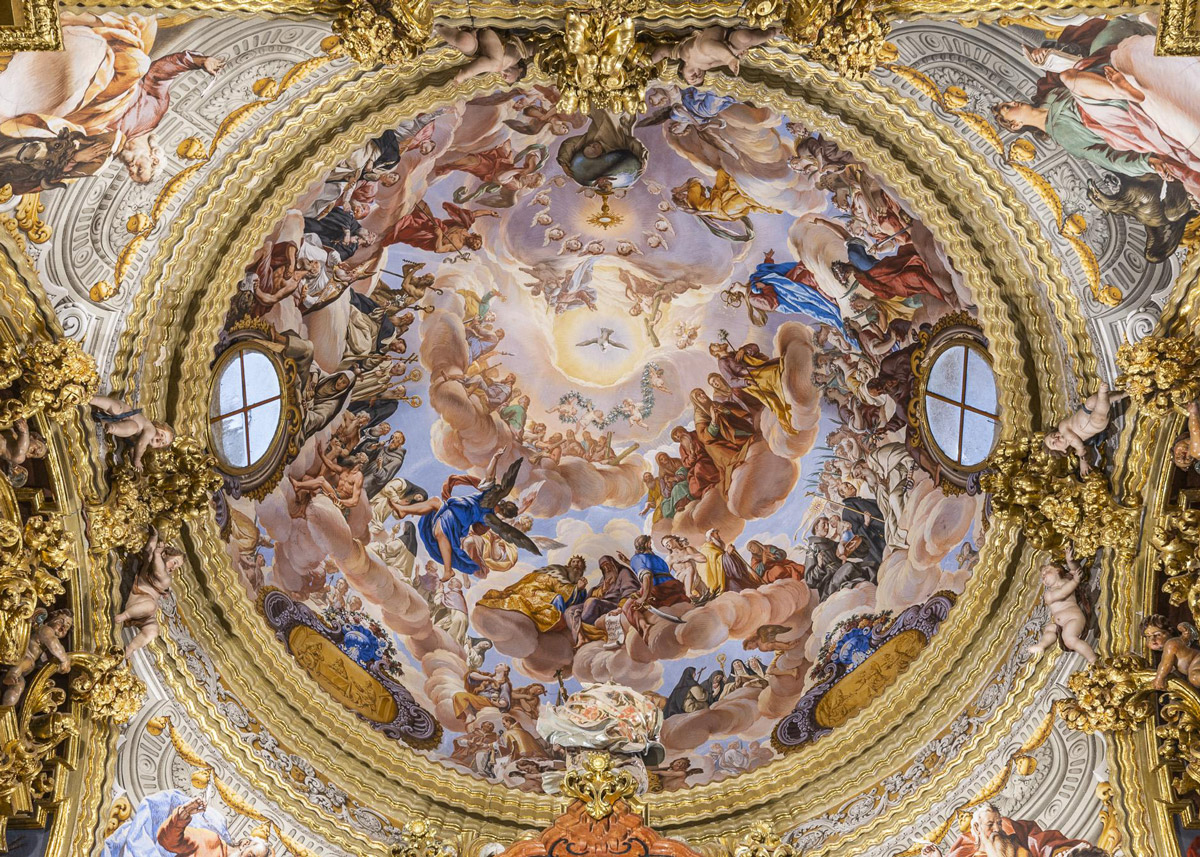
The Carthusian Monastery of Granada, also known as the Monastery of Our Lady of the Assumption, is one of the finest examples of Spanish and Andalusian Baroque architecture; its construction began in 1516 and continued for the next three hundred years.
History of the Carthusian Monastery of Granada
In 1459, the Monastery of Santa María de El Paular agreed to found another convent without knowing where it would be located. In late 1514, the first monks arrived in Granada from the Castilian Carthusian monastery of El Paular. Here they found the ideal model for building the new monastery, and Don Gonzalo Fernández de Córdova, the Great Captain, wished to serve as a benefactor for the new monastery. Ultimately, he withdrew from the project, and In 1516, construction resumed based on plans by Fray Alonso de Ledesma, and it would continue for three centuries.
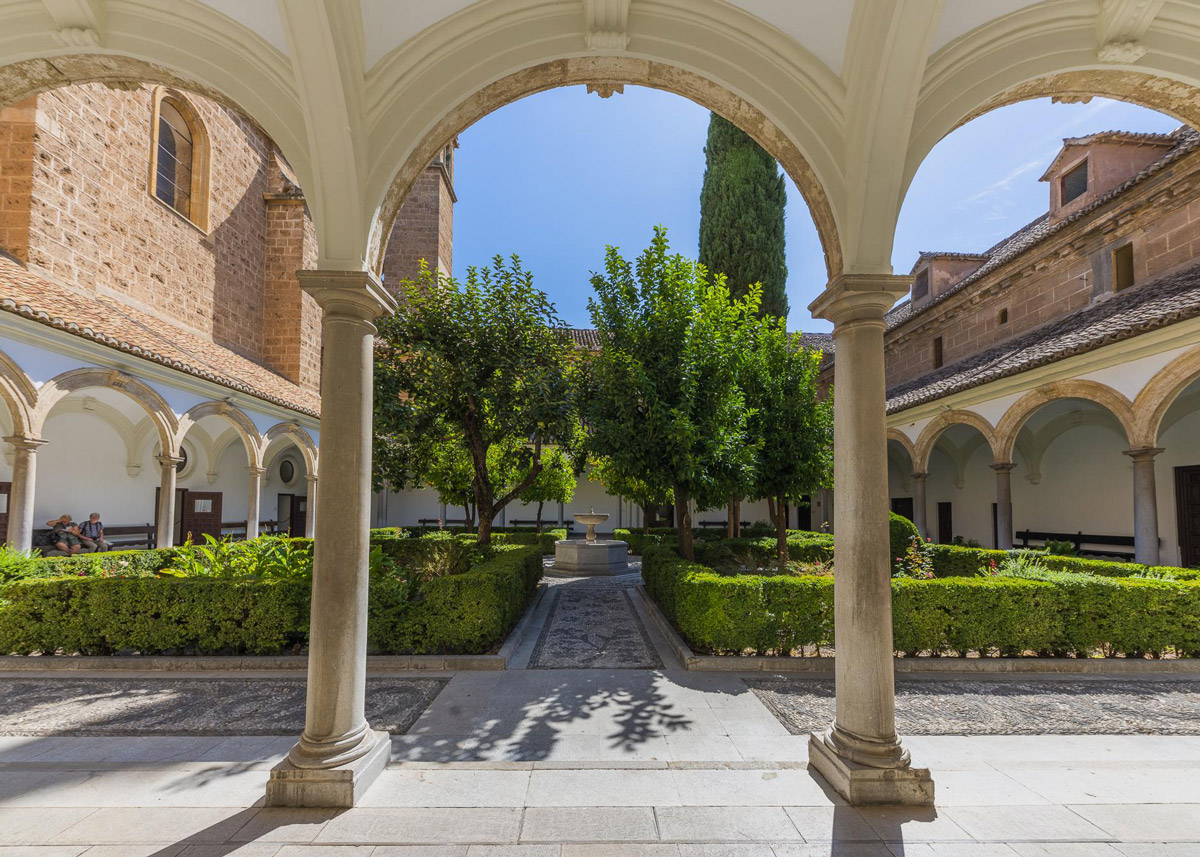
The project's unity is complemented by a diversity of styles. The original project was never completed—only part of it remains—because the cloister and the monks' cells were destroyed in 1842. The monastery was inhabited until 1835. Today, it is designated as a Site of Cultural Interest and a Historic-Artistic Monument.
What to See at the Cartuja Monastery in Granada
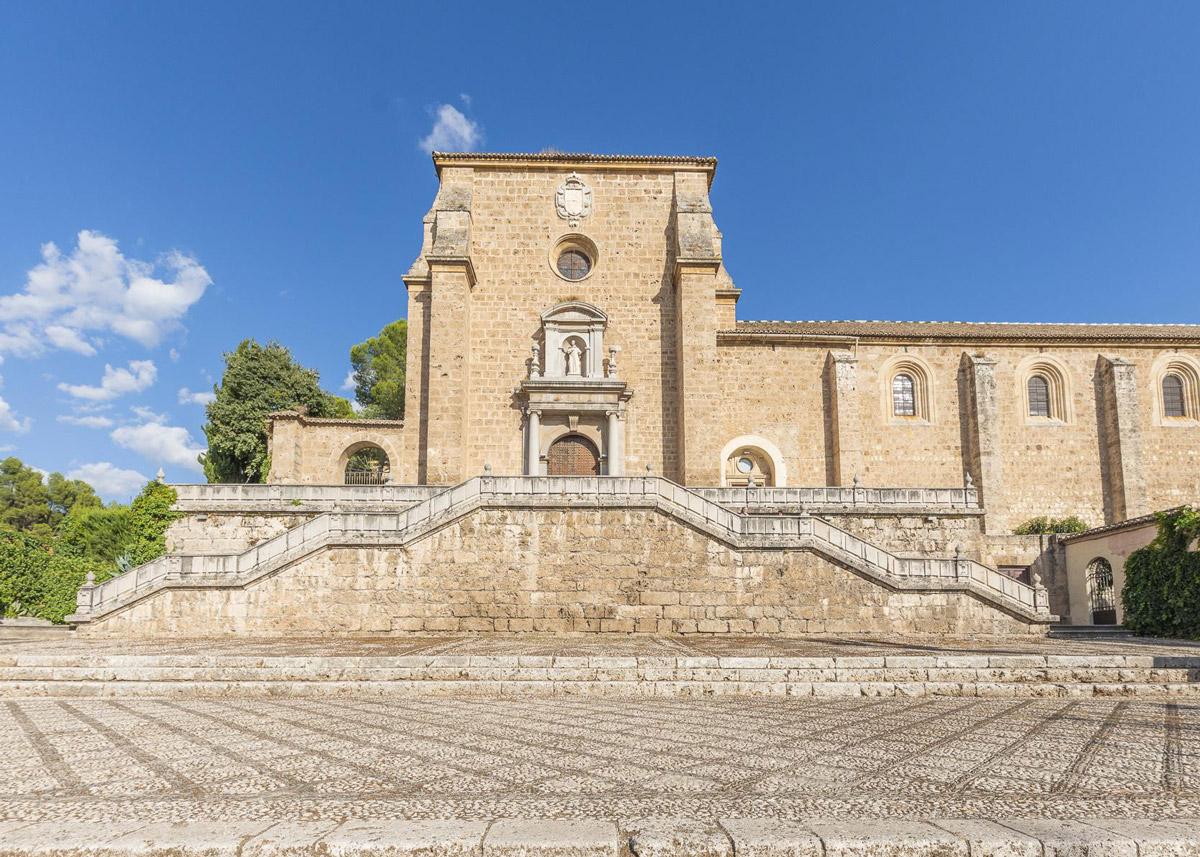
The Carthusian Monastery of Granada is entered through a Plateresque-style portal, designed by Juan García de Pradas in the 16th century. The façade features a semicircular arch that houses a niche containing an image of the Virgin Mary. Inside, there is a large courtyard paved with Granada-style cobblestones, with a wide staircase leading to the church entrance.
The church has three entrance doors: one for the faithful and the other two for the monks and lay brothers, all of which lead to the cloister. The door at the foot of the building has a neoclassical portal with a semicircular arch, framed by Ionic columns; above the entablature is a niche containing an image of Saint Bruno.
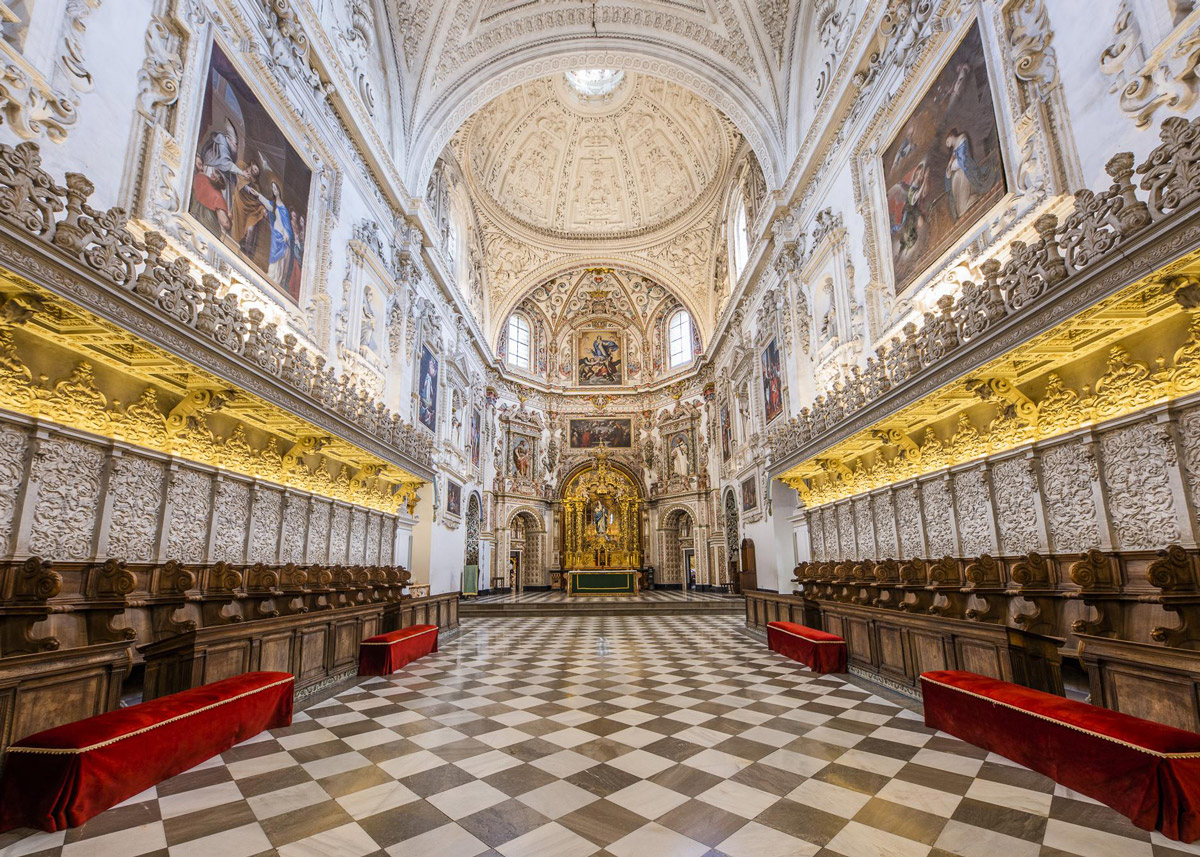
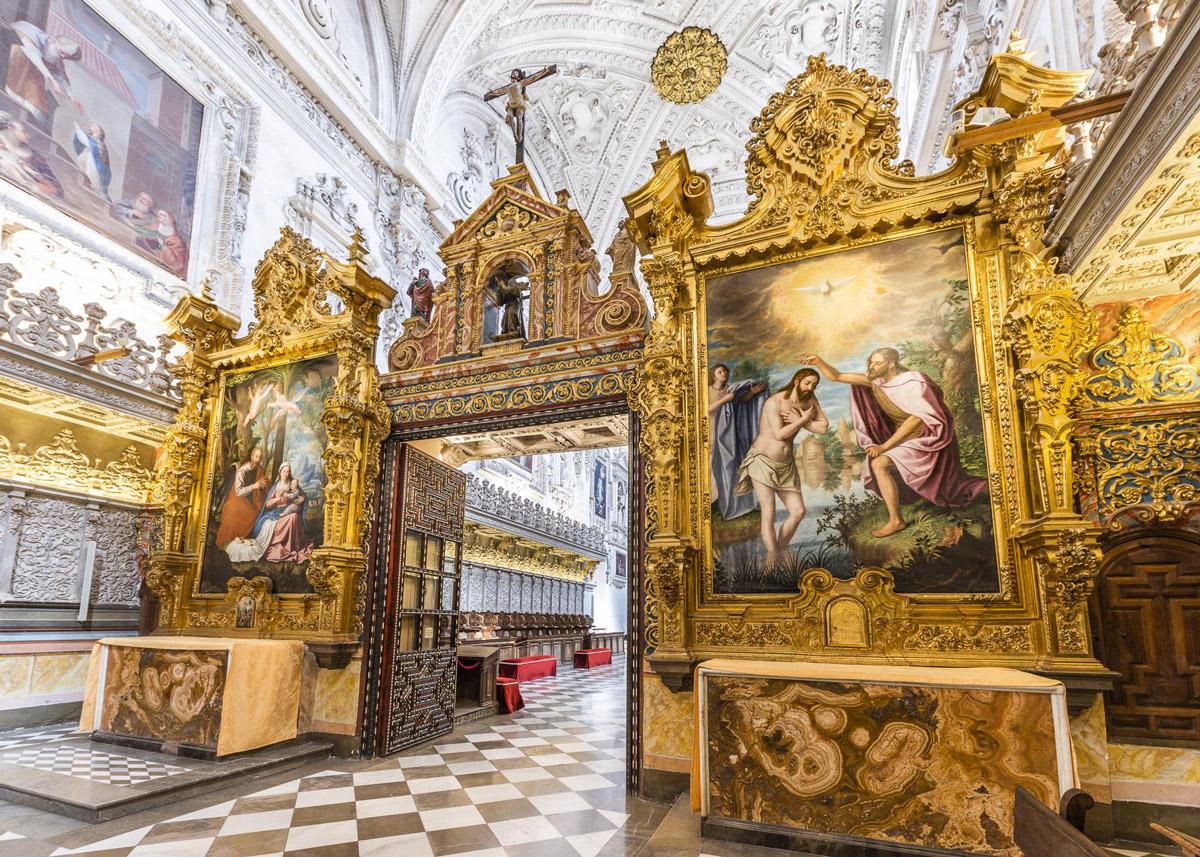
A single-nave layout divided into four sections, featuring elements such as the altar screen that separates the lay choir from the monks' choir. Highlights of the nave include the altarpieces by Sánchez Cotán, *The Rest on the Flight into Egypt* and *The Baptism of Christ*, both from the 17th century.
Topped by an elliptical dome, the chancel features a striking high altar: a gilded wooden baldachin altar through which the large glass pane is visible, set within a semicircular arch that separates the chancel from the Holy of Holies.
The Sacristy of the Carthusian Monastery
The sacristy of the Cartuja de Granada is located to the left of the presbytery and has a rectangular floor plan divided into four sections; the first three are covered with semicircular vaults, and the last with an elliptical vault.
Marble, stucco, woodwork, and paint… brought together by light. It is conceived as a true temple, with a space so vast that it defies the logic of any sacristy.
Abstract and geometric shapes, carved into stucco, cover the walls entirely. This exquisitely crafted work creates a beautiful optical illusion for visitors… The sense of grandeur is heightened by the central void, the whiteness of the walls, the interplay of volumes, and the rhomboidal pattern of the floor, which gives the room a sense of depth. And, to achieve this, light—an essential element of its architecture—always plays a key role.
The Refectory and the Chapter House of the Carthusian Monastery
The Refectory, the friars’ dining hall, has a rectangular floor plan and is covered with pointed arches; hanging on its wallsar n paintings by Sánchez Cotán depicting the origins and beginnings of the Carthusian Order.
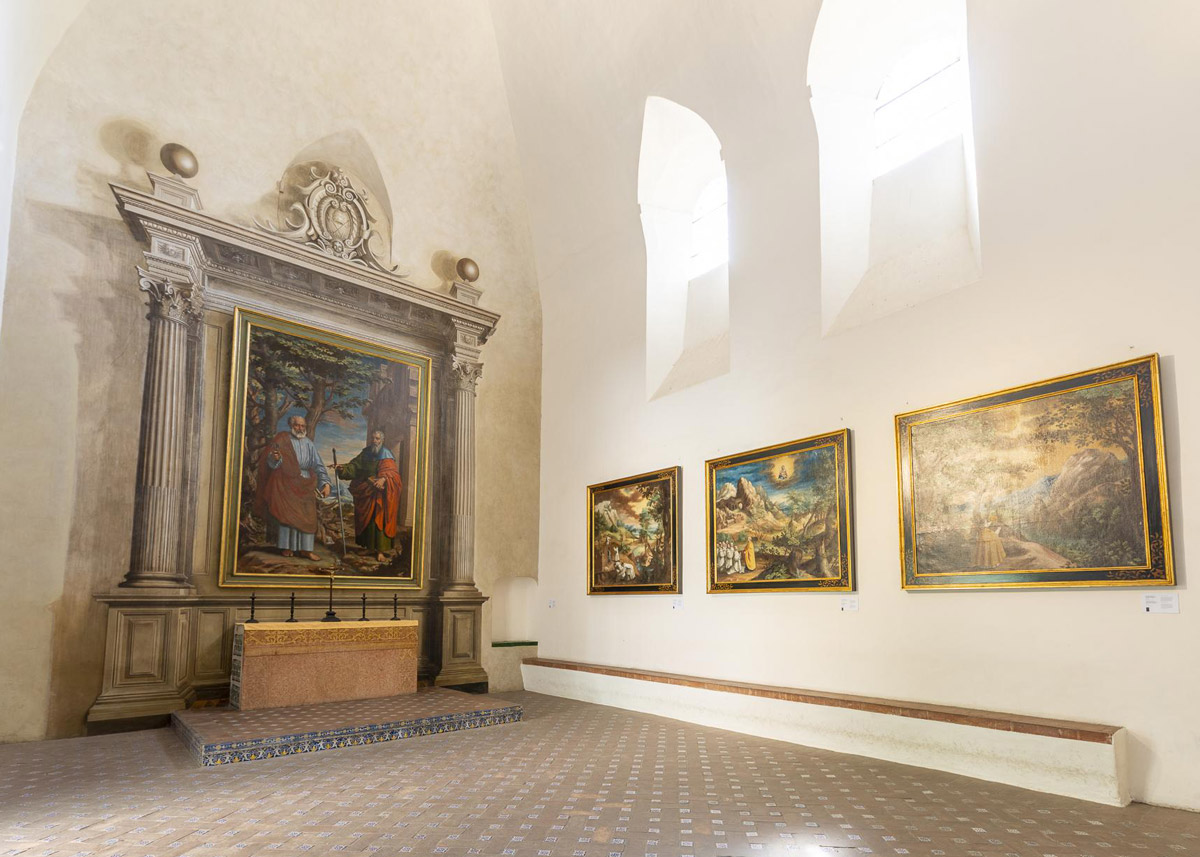
The Lay Chapter House is the oldest room in the entire Carthusian monastery of Granada; it has a rectangular floor plan and is covered by a ribbed vault. Inside, there are Paintings depicting scenes from the lives of the Carthusians by Vicente Carducho.
Now you can purchase your Entrance to the Carthusian Monastery online at the Official ticket sales page for the Archdiocese of Granada. Book your visit to this wonderful Christian monument today.
Practical Information
(The monument closes at 12:45 p.m. and 6:00 p.m.)
Cultural tours are available year-round, except during worship services and other religious celebrations. Please confirm the schedule before your visit.
- Free audio tour via app
- Book in advance
- Free audio tour via app
Guided tours of the Cartuja Monastery in Granada are available daily, except on December 25 and January 1. On December 24 and 31, the monastery will be closed starting at 2:00 p.m.
Visitor Guidelines
- Inside the Cartuja Monastery, you are allowed to take photos and videos, but without flash, spotlights, tripods, or selfie sticks.
- During liturgical services, tourists are not allowed inside the church.
- Eating and drinking are prohibited inside.
- You must remain silent and dress appropriately inside the temple.
- Please turn off your cell phone out of respect for those at the Monastery of La Cartuja.
- Remove your head covering when entering the temple.
- Smoking is prohibited on the premises.
- Pets are not allowed inside the Cartuja Monastery, with the exception of guide dogs.
- Children must be properly supervised by adults; please do not allow them to run around the temple.
- Visitors are responsible for keeping the spaces clean and orderly, as well as for behaving respectfully toward cultural heritage and museum artifacts.
- At all times, you must follow the instructions of the staff at the Monasterio de la Cartuja.
Rates and Prices
Entry Type
Price
€7.00
5 €
5 €
No schools
Free
Request a visit by sending an email to visitascartuja@archidiocesisgranada.es
Free
Gallery
Groups
School groups
Send an email to visitascartuja@archidiocesisgranada.es: Admission is €5 per student. For every 10 students, one teacher gets in free; if there are more than 10 students, the teacher must pay the adult admission price of €7. You must receive a response from the monument.
Schools in Granada and the surrounding province:
Send an email to , visitascartuja@archidiocesisgranada.es, or . The visit is free, subject to confirmation from the monument.
Adult Groups
Please send an email to , visitascartuja@archidiocesisgranada.es, or . The admission price is €7 per person.
Don't miss out
A unique structure
Three Centuries of Styles
The Secret of the Sacristy
Are you ready for your visit?
Book now and avoid the lines on the day of your visit.
Single Ticket
€7.00 per person
Audio guide included via the app
Sunday through Friday
10:00 a.m. – 6:30 p.m.
Saturdays
10:00 - 12:15 / 15:00 - 18:30
- P.º de Cartuja, s/n, Beiro, 18011 Granada
Other RATES
For discounted rates, free admission, and school field trips, click here for more information