
Private Tours
The Juan Latino Trail: From Slave to Professor
To speak of Juan Latino is to speak of the little-known history of slavery in Spain
Duration:2 hours 40 minutes
Groups of up to 30 people.
Language: ES
About This Visit
Black Africans were already very much present in Nasrid Granada. They were slaves of the Hispano-Muslim nobility and royalty who, in 1492, following the conquest of Granada by the Catholic Monarchs, were freed. However, slavery persisted in Granada as part of the socio-economic fabric until its abolition in Spain in 1880.
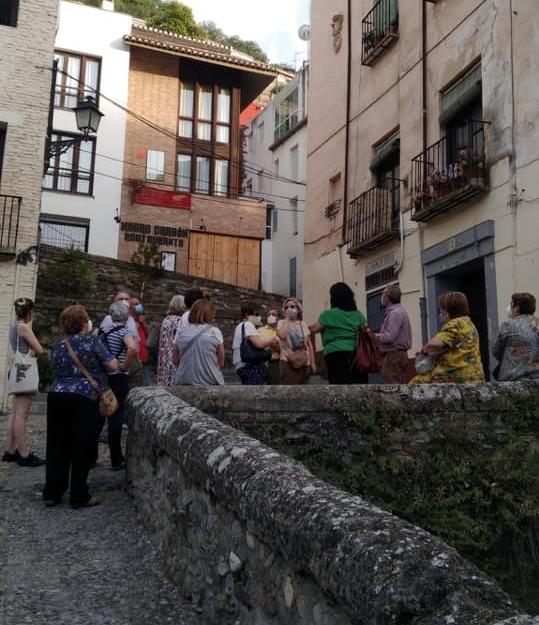
The names of the city’s streets and neighborhoods remind us of the deep-rooted historical presence of Africans in everyday life: the Placeta de los Negros and the Barranco de los Negros, in the picturesque Sacromonte neighborhood, are good examples of this.
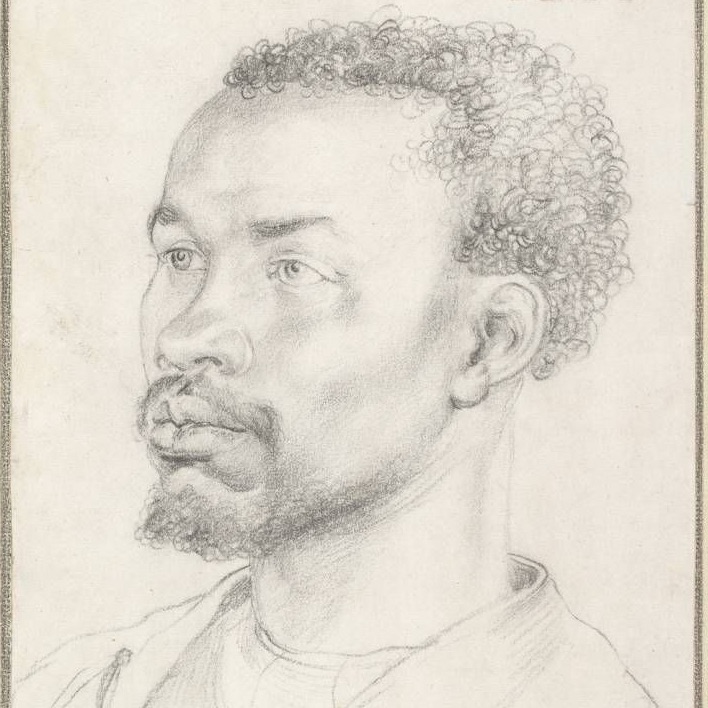
The name and life of Juan Latino are completely unknown to most people in Granada, despite the enormous significance he had during the period of Spanish Renaissance Humanism. His extraordinary life story and his literary works in Latin leave no one indifferent. He was a friend of the Duke of Sessa and Don Juan of Austria. Great masters such as Miguel de Cervantes and Lope de Vega praised his work.
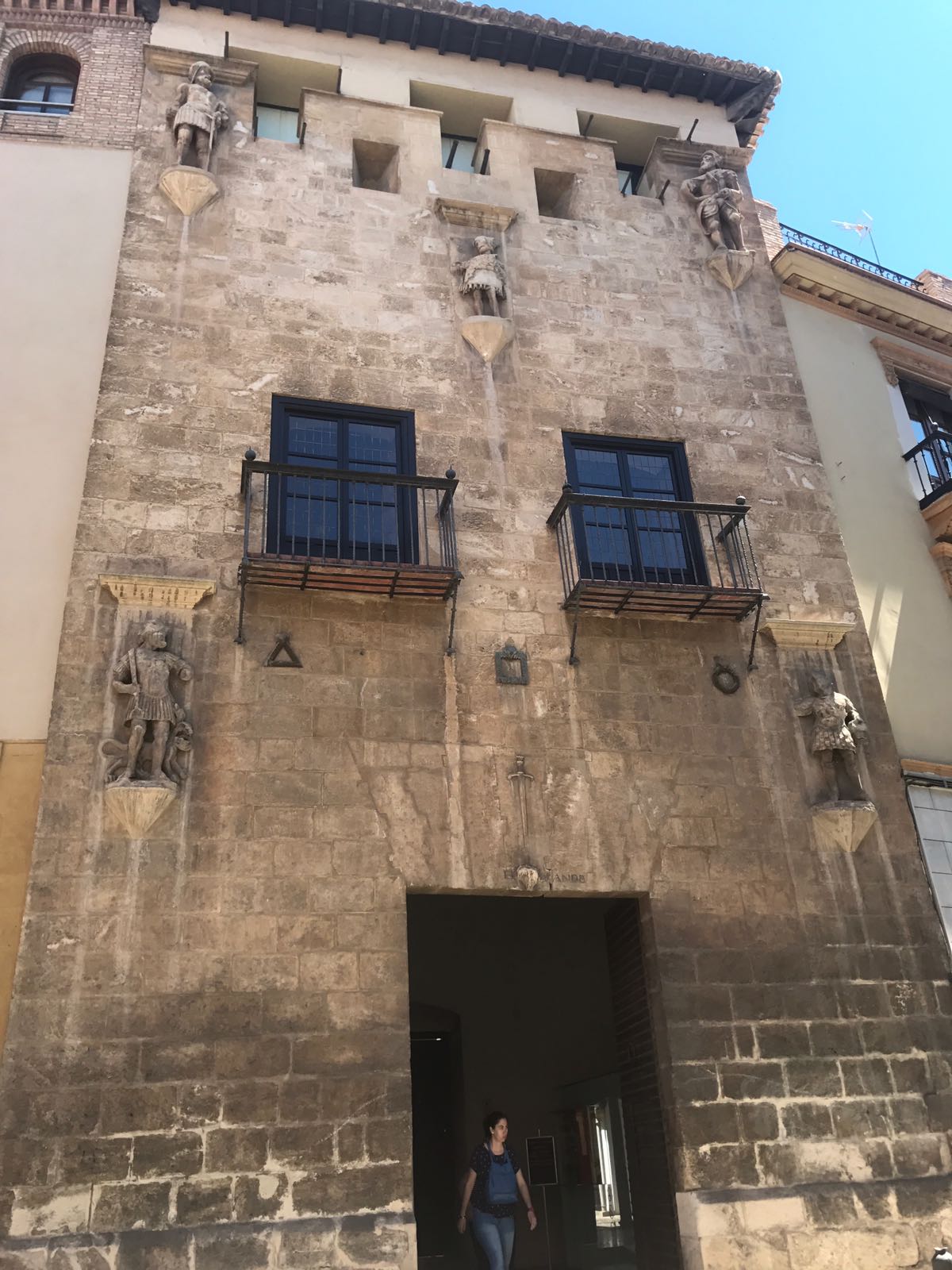
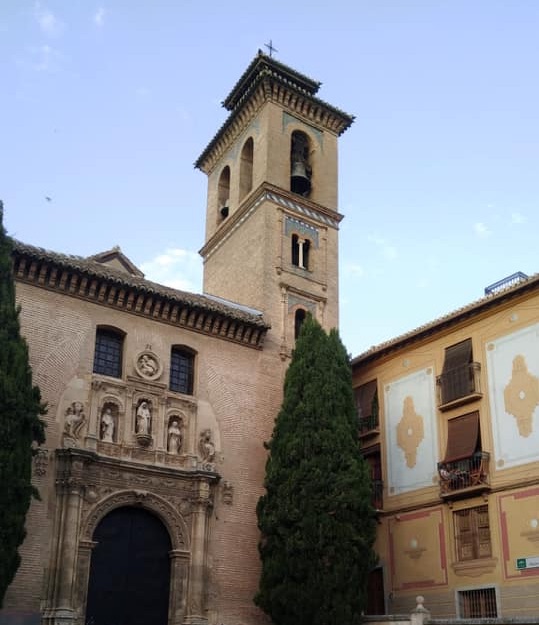
Ours is the story of an Andalusian slave, a personal slave of the Great Captain’s grandson, Don Gonzalo Fernández de Córdoba. He was raised in Córdoba, between Baena and Cabra, and settled in Granada in his youth, where he married and lived until his death. He was buried in the Church of Santa Ana, his parish church, alongside his family. His 78 years of life (1518–1596) allow us, guided by the traces of his life that still remain in Granada, to take a historical journey through the most pivotal century and the most iconic places in the history of Granada and Spain.
He was appointed to the chair of Latin at the University of Granada by Archbishop Pedro Guerrero in 1556 and remained an active professor until 1586.
The quality of his rhetoric, the forcefulness of his dialectic, his innovative teaching methods, and the coherence of his arguments made him one of the most admired Latin poets and writers of the Humanist era.
Language available for the tour: Spanish.
What's Included
- Certified Official Guide
- Maximum group size: 30 people
Gallery
Contact us for more information
- Up to 30 people.
- Book 72 hours in advance
- ES
Contact us for information and reservations at administracion@viajessancecilio.com or by phone at 958 215 909 to request your group or private tour.