Updated: October 2026
What is inside the Sacromonte Abbey? On a single hillside it brings together the Holy Caves where the relics of Saint Cecilio and his companions were found, a museum with paintings, sculpture, tapestries and the Lead Books, a library and an archive of manuscripts, and a devotion that is still alive in Granada. More than a monument, it is a living archive with over four centuries of history.
In this post we go into the details: what lies underground, what is displayed in the museum rooms, which papers are kept, and why this abbey tells a story that no other monument in the city can. If you are planning your visit, the [Sacromonte Abbey page] has all the practical information.
A mountain that changed everything
The Abbey stands on Mount Valparaíso, at the end of the Camino del Sacromonte and its so-called seven slopes. In the late sixteenth century, lead plates with strange writing and remains identified as those of Saint Cecilio and other martyrs came to light on this hill. The texts, known as the Lead Books (Libros Plúmbeos), told of the martyrdom of Saint Cecilio, Saint Tesifón and Saint Hiscio under Nero and gave Granada a Christian origin going back to the apostles.
The Council of Granada declared them authentic in 1600, and Archbishop [Pedro de Castro y Quiñones], with royal and papal authorisation, founded the collegiate church of the Sacro Monte. In time Rome rejected the books as forgeries, but devotion to Saint Cecilio, patron saint of Granada, had already taken root. That mix of faith, controversy and heritage is what makes the place unique. You can find more context in our [history of the Sacromonte Abbey].
The Holy Caves: the heart of the mountain
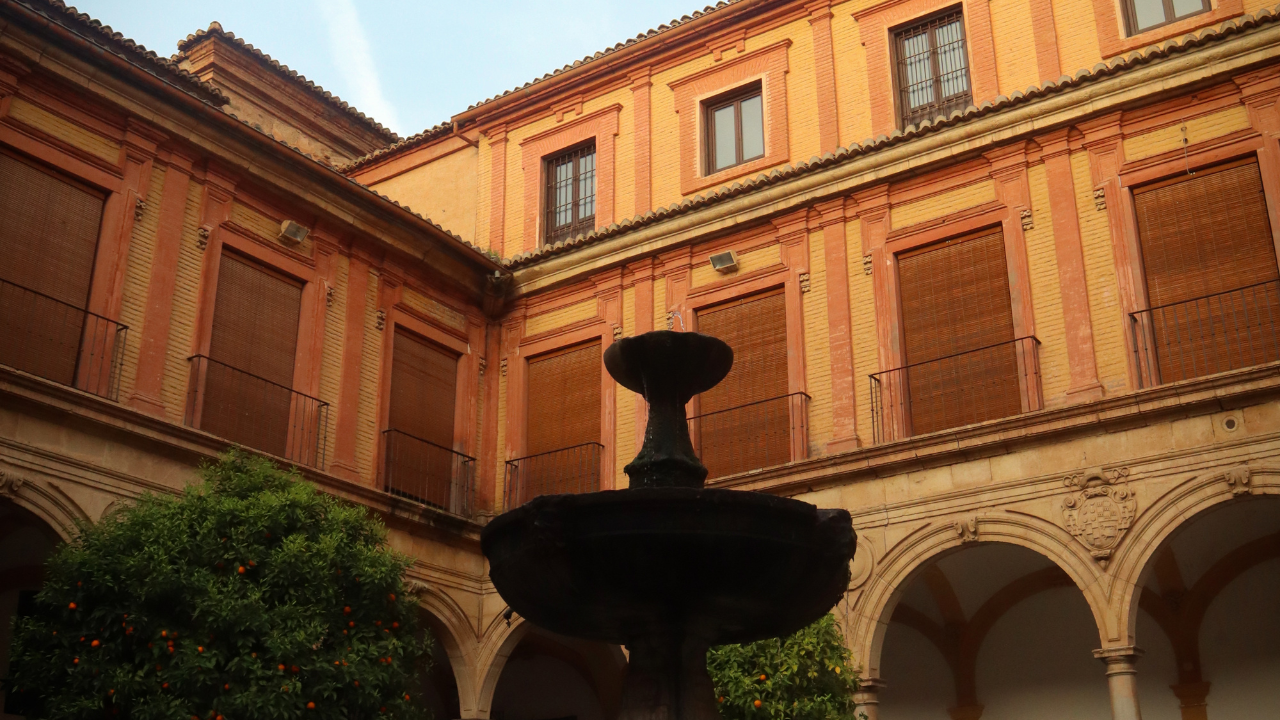
The Holy Caves (Santas Cuevas) are where the whole complex began. From the courtyard of round arches you reach a chapel with a small altar above the entrance to a mine that leads to the caves where the discoveries took place. Beneath the church, narrow passages link chapels containing sculptures and other works of art.
Sources describe caves decorated with circles, stars, flowers and the founder’s coat of arms, and point to the so-called Horno de San Cecilio as the most venerated spot. Next to the caves lies the canons’ cemetery. Many people call them catacombs because of their underground feel, but they are in fact galleries and chapels dug into the rock of the hill.
To explore them in more detail, read our post on the [Holy Caves of the Sacromonte Abbey].
The Lead Books: a mystery written in lead
Few heritage pieces have such a novel-like story. The Lead Books are lead plates engraved in a script that looked Arabic, telling a legendary version of the origins of Christianity in Granada. Their discovery, their defence by Church authorities and their later condemnation are a key chapter for understanding seventeenth-century Granada.
According to Granada City Council information, the Abbey museum lets visitors see these books, up to a total of 25. Before you go, check the monument page to see which areas are open. To understand the debate they caused, read about [the mysterious Lead Books].
The museum: art, tapestries and engraving plates
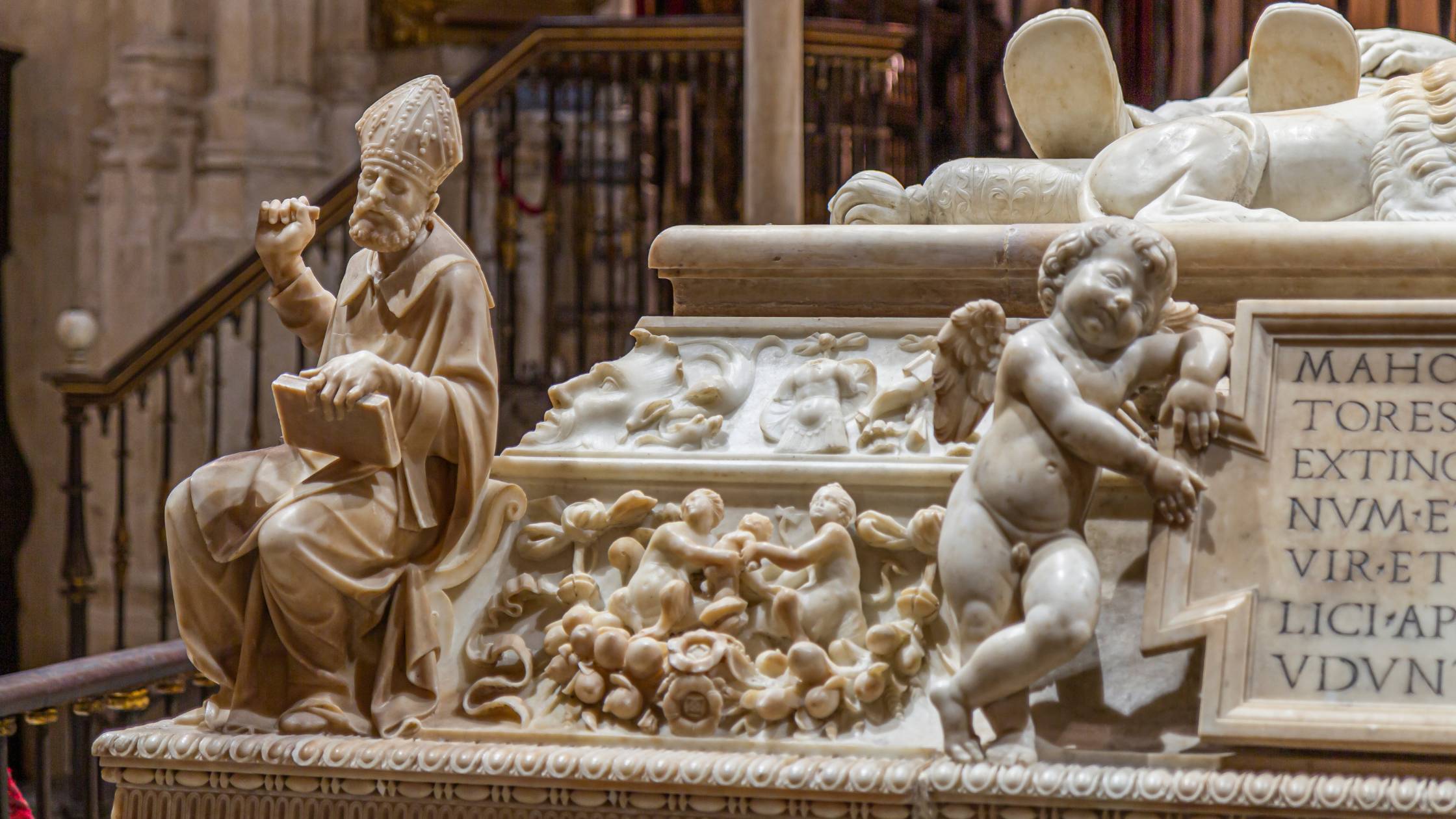
Over the centuries the Abbey built up an art collection that is now shown in its museum. Official sources mention sixteenth- and seventeenth-century painting and sculpture, tapestries, a collection of liturgical vestments and engraving plates that form a chapter in the graphic history of Granada.
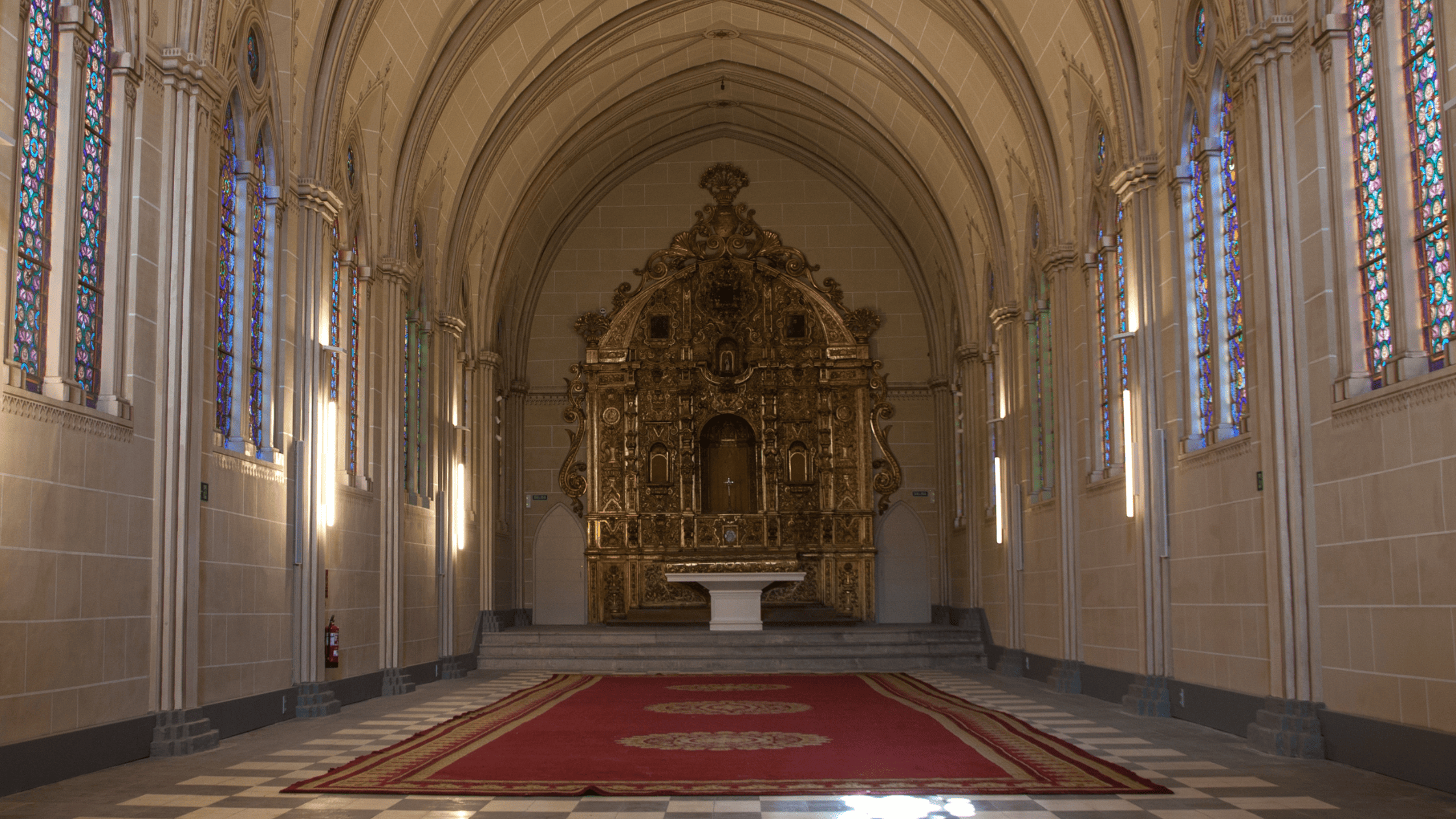
The church and its chapels complete the route with altarpieces and sculpture. If art is your interest, it is worth reading about [the sculpture and painting of the Abbey], [its altarpieces] and [the restoration of The Adoration of the Angels].
Library and archive: the paper you don’t see
Behind the visible rooms there is another Abbey made of paper. The library keeps the original plans of the building, and municipal and tourism sources mention an archive of manuscripts and codices of historical, scientific and religious interest, with names such as Averroes, Maimonides or Saint John of the Cross associated with its holdings.
These are mainly research collections rather than rooms designed for visitors, so check the monument page for exactly what the route includes. What you can take away is the bigger idea: the Abbey does not just display heritage, it has kept and studied it for centuries.
A devotion that is still alive
The Abbey is not a frozen museum. Every 1 February Granada celebrates [Saint Cecilio, its patron saint], and on the nearest Sunday a pilgrimage walks up to the Abbey. The building is still a residence for canons and a parish, and its canons’ cemetery is a reminder that a community has lived here for centuries.
In the late nineteenth century, one of its canons, Andrés Manjón, founded the Escuelas del Ave María to educate the poorest children of the Sacromonte, especially Roma children. Even the anniversary of the vow to Saint Cecilio still marks the calendar, as we explain in [the 425th anniversary of the Vow to San Cecilio].
What you can see when you visit
Here is a summary of what the Abbey holds and where to read more about each area:
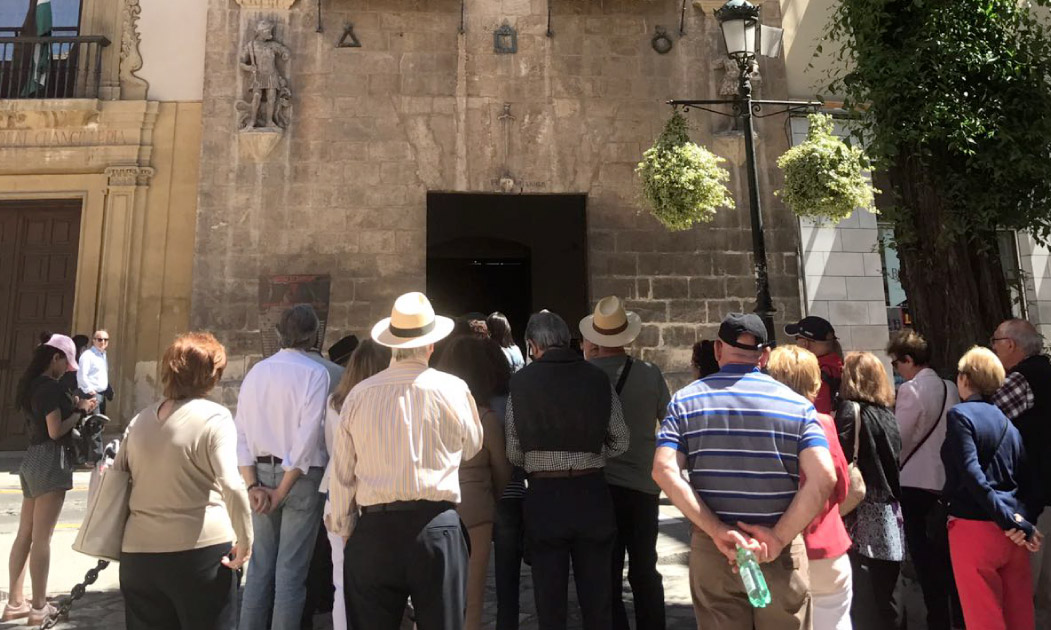
The exact route may vary, so check the [Abbey page] and the [opening hours] before you climb. If you would rather go with a guide through the neighbourhood and its surroundings, there is the [guided Sacromonte tour].
The approach is uphill, so allow plenty of time and wear comfortable shoes. The reward is one of the best views in Granada, with the Alhambra right opposite.
Tickets and prices
General admission costs €7, the reduced rate is €5 (students under 25 and people with a recognised disability) and children under 12 go in free. You can see all fares on the [rates page] and buy directly on the [Sacromonte Abbey ticket page]. If you plan to visit more than one monument, have a look at the [Combined Ticket] to see what it includes.
Frequently asked questions
What is inside the Sacromonte Abbey?
It holds the Holy Caves where the relics of Saint Cecilio and his companions were found, a museum with paintings, sculpture, tapestries and the Lead Books, a library and an archive of manuscripts, and a religious tradition that is still active.
What are the Lead Books and can you see them?
They are lead plates engraved in a script that looked Arabic, telling of the martyrdom of Saint Cecilio and giving Granada an apostolic origin. According to municipal information, the Abbey museum lets visitors see them; check the monument page for open areas before you go.
Are the Holy Caves catacombs?
Not strictly. They are galleries and chapels dug into the hill where the relics were found. They are often called catacombs because of their underground look, but they are not an ancient Christian cemetery like the Roman catacombs.
How much does it cost to enter the Sacromonte Abbey?
General admission is €7, the reduced rate is €5 and children under 12 go in free. Current fares are on the [rates page].
When is the feast of Saint Cecilio?
On 1 February, the day of Granada’s patron saint. On the nearest Sunday a pilgrimage goes up to the Sacromonte Abbey.
Ready to climb the Sacromonte? Visit the [Sacromonte Abbey page] or buy your official ticket from [Tickets Granada Cristiana].