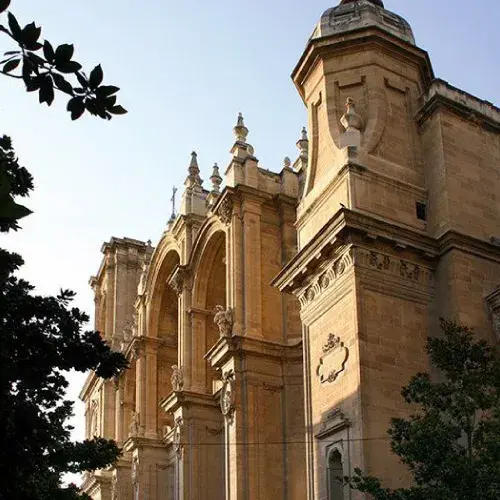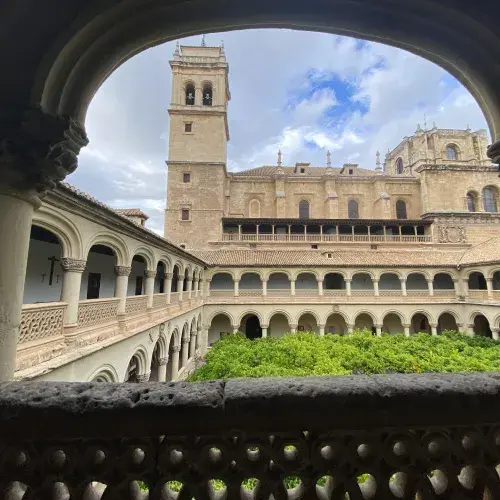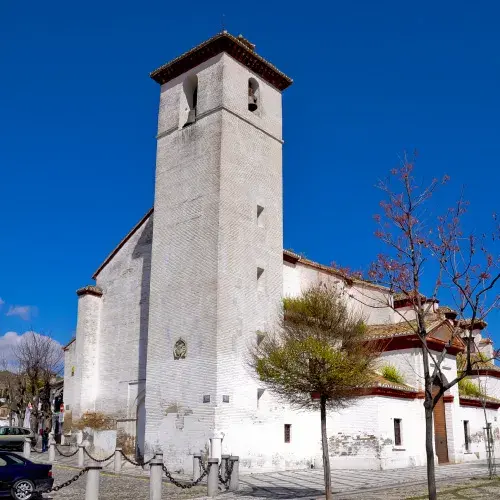


In the heart of Granada Cathedral, one of the most emblematic monuments of the Spanish Renaissance, there is a place that combines art, history and spirituality: the Treasury or Cathedral Museum. Since 1929, this space has housed a valuable collection of works that transport us to the cultural and religious splendour of the city.
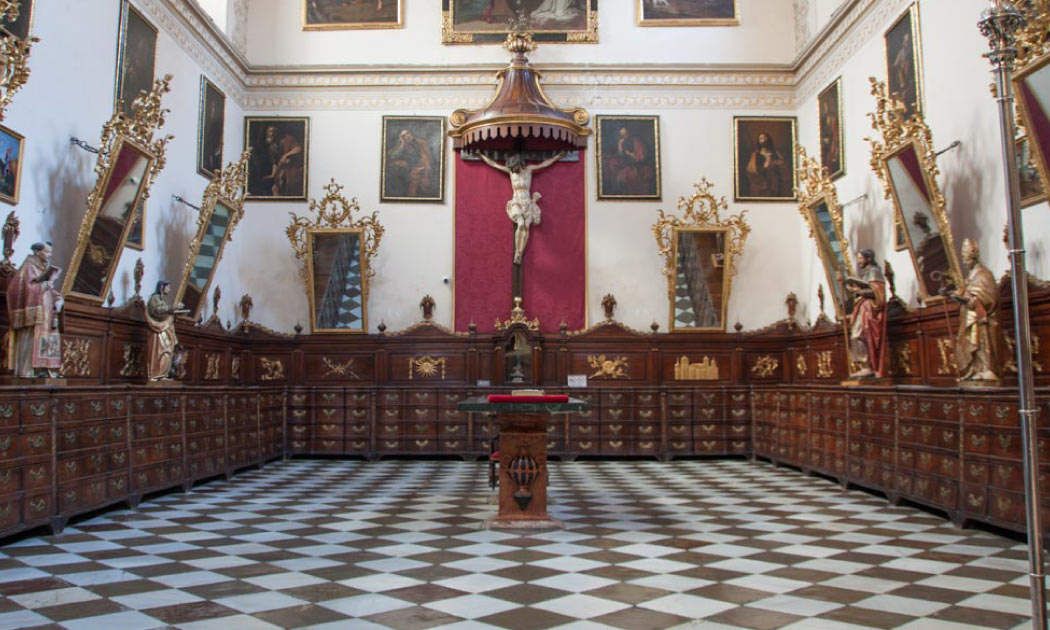
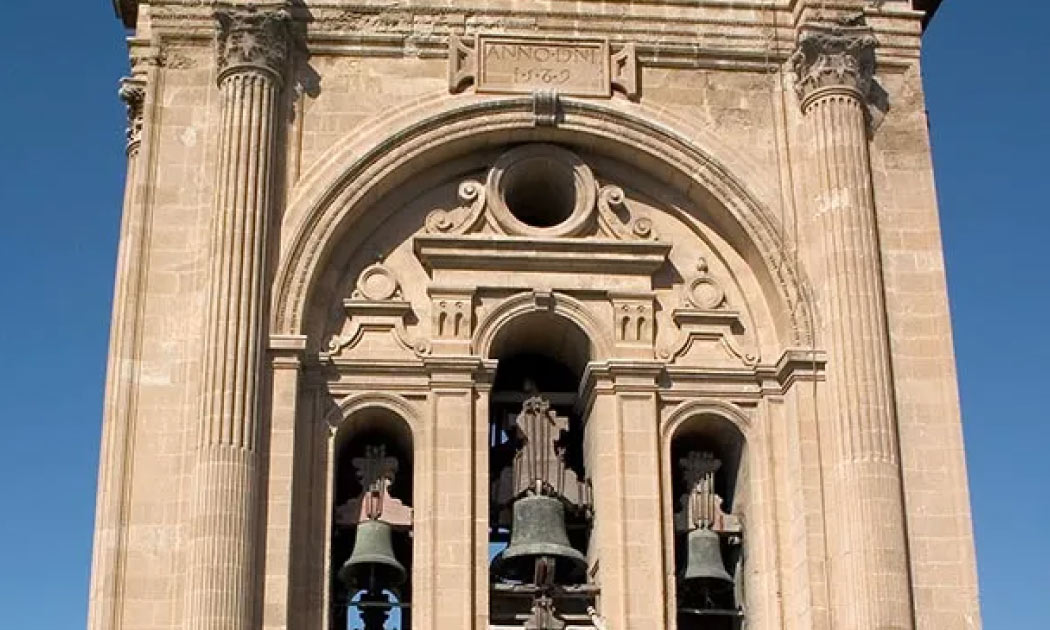
Before becoming a museum, the ground floor of the Cathedral tower housed the Chapter House, the meeting place of the chapter. It was thanks to the architect Fernando Wilhelmi, whose project was approved by Royal Order and financed by the Ministry of Public Instruction and Fine Arts, that this space was transformed into a veritable museum of sacred art.
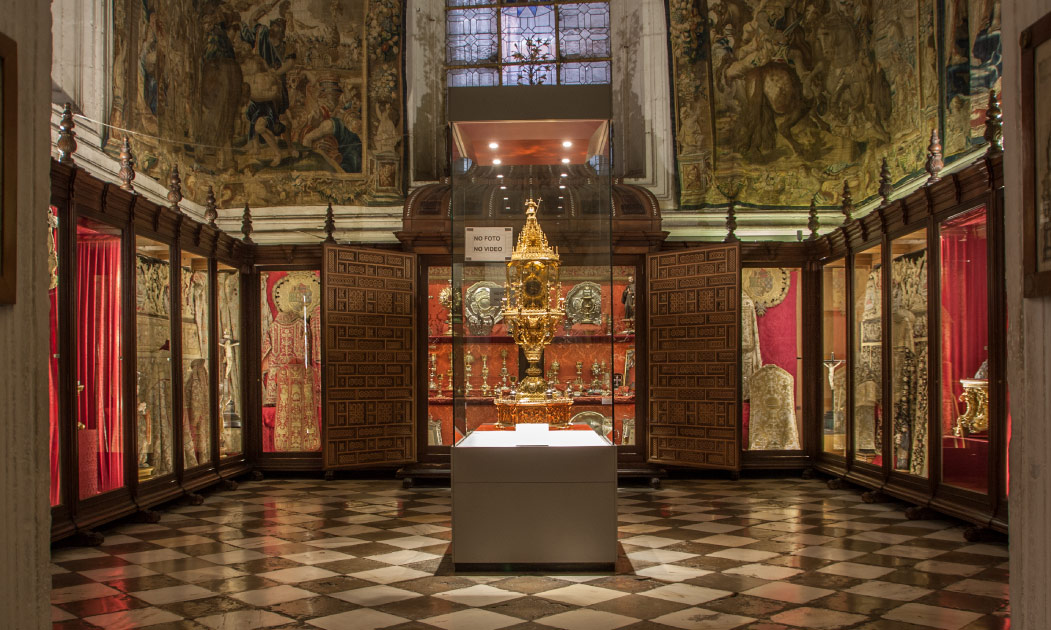
Today, visitors to this essential corner of Granada can discover Flemish tapestries, gold and silverwork, sculptures and sacred ornaments that narrate centuries of devotion and culture.
The Cathedral Museum is a place where each piece tells a story. Among its main treasures are:
Flemish tapestries from the Brotherhood of San Nicolás, authentic textile jewels that depict biblical scenes with an impressive wealth of detail.
Highly valuable gold and silverwork, such as the famous Custodia (monstrance) given by Queen Isabella the Catholic for the Corpus Christi processions. This work is not only an example of religious art, but also a symbol of the queen's relationship with Granada after the Reconquista.
Polychrome sculptures from the Granada school, signed by masters such as:
The García brothers, with their famous San Juanito.
Alonso Cano, one of the great geniuses of the Baroque period, creator of a Saint Paul and a delicate Virgin of Bethlehem.
Pedro de Mena, another leading figure in Andalusian imagery, who also depicted the Virgin of Bethlehem.
Torcuato Ruiz del Peral, with his expressive Head of Saint John the Baptist.
José Risueño, creator of the moving Penitent Magdalene.
In addition, visitors can admire liturgical ornaments carefully displayed in showcases around the perimeter of the room, enveloping the viewer in a solemn and majestic atmosphere.
The first floor of the tower of Granada Cathedral also holds memories of great value. The artist Alonso Cano, a key figure in Spanish Baroque, had his studio there and left his mark on the Cathedral as an architect, sculptor and painter.
Many years later, this same space was inhabited until 2008 by Santiago Martín López, the last bell ringer of the Cathedral. In his modest home, he kept memories and anecdotes from a lifetime dedicated to ringing bells, a tradition that marked the rhythm of the city for centuries.
Visiting the Cathedral Treasury of Granada is not just about contemplating works of art. It is about delving into the living memory of the city, understanding how faith and culture intertwined in a period of splendour and discovering unique pieces that cannot be found anywhere else.
It is a must-see for those who wish to:
Entrance to the Cathedral Museum is included in tickets to visit Granada Cathedral, so it is advisable to book in advance.
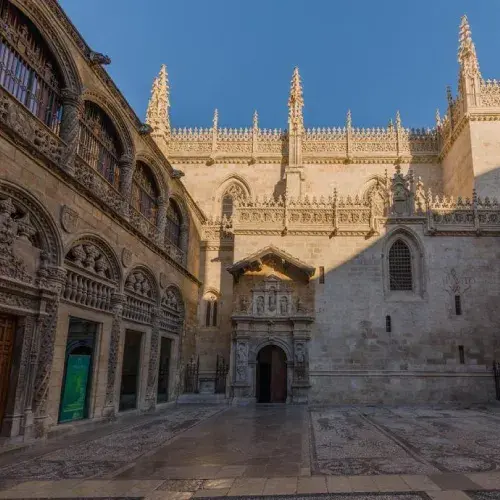
You can complement your tour with other nearby sites such as the Royal Chapel, where the Catholic Monarchs are buried, or explore more of the city's Renaissance gems with the Combined Tickets from Tickets Granada Cristiana.
For an even more enriching experience, use audio guides that allow you to listen to the explanations with complete clarity and without interruptions, even at busy times.
Granada is a city where every corner breathes history and spirituality, and the Cathedral Museum is one of its best-kept treasures. From Flemish tapestries to Baroque sculptures, each work reflects the essence of an era and the legacy that has survived to this day.
If you are planning your visit, don't miss this unique space inside Granada Cathedral. You will discover how faith, art and history come together to offer you an unforgettable experience.
📍 Book your tickets now at Tickets Granada Cristiana and experience the history of Granada first-hand.