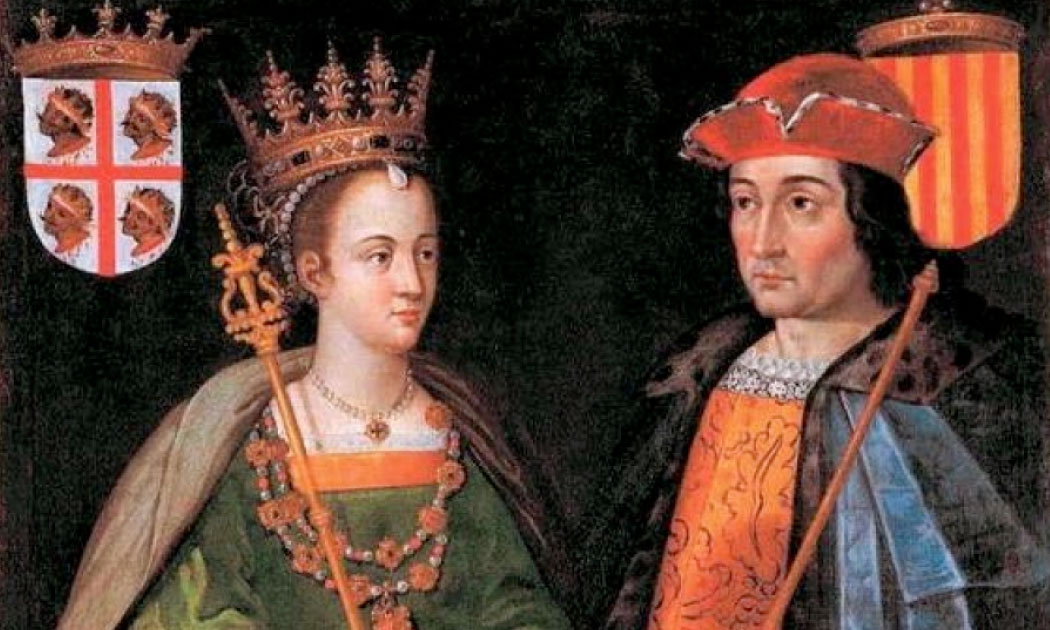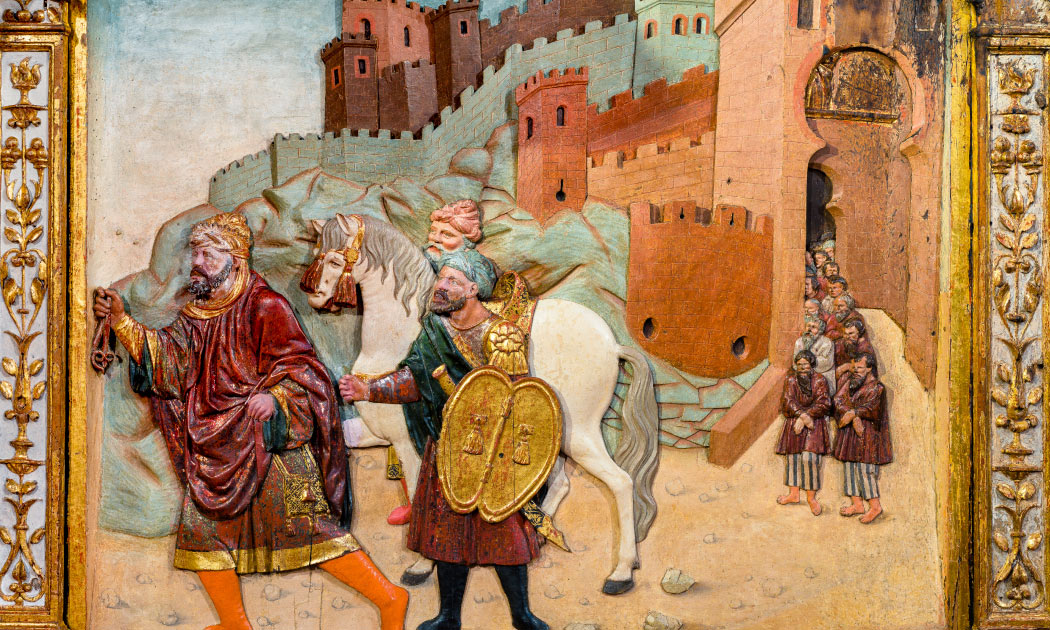




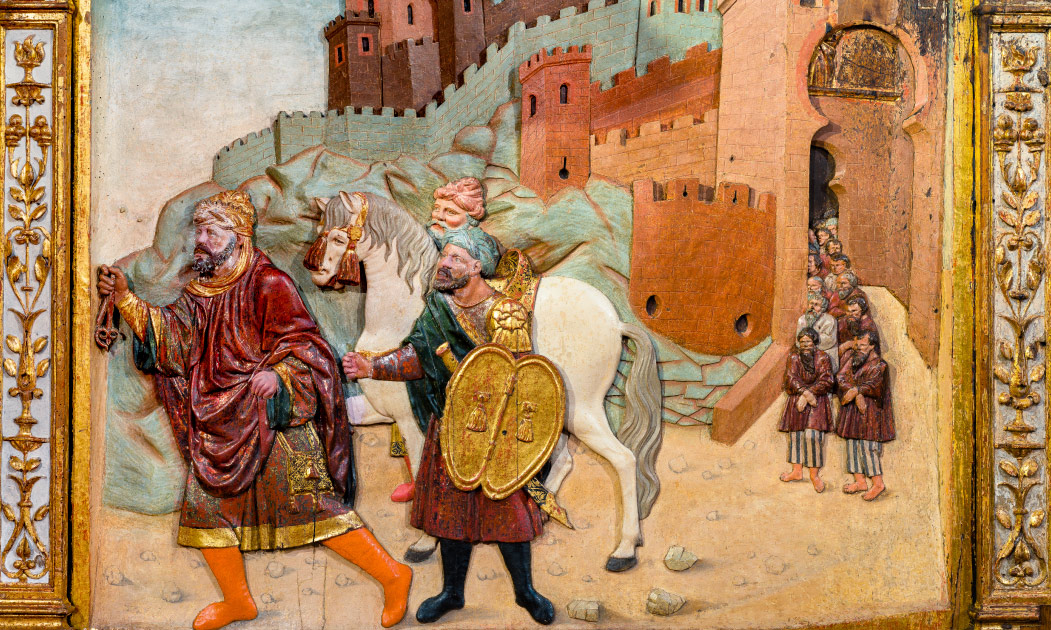
Every year, when the calendar turns to January 2nd, Granada becomes the focal point of Spanish history. This date commemorates the Conquest of Granada (known locally as La Toma) in 1492, the pivotal moment when King Boabdil handed over the keys of the city to the Catholic Monarchs, Isabella I of Castile and Ferdinand II of Aragon. This event not only marked the end of the Reconquista but also sealed Granada's destiny as the eternal resting place of the monarchs, forever linking this anniversary with the majestic Royal Chapel.
A Decision Written in History
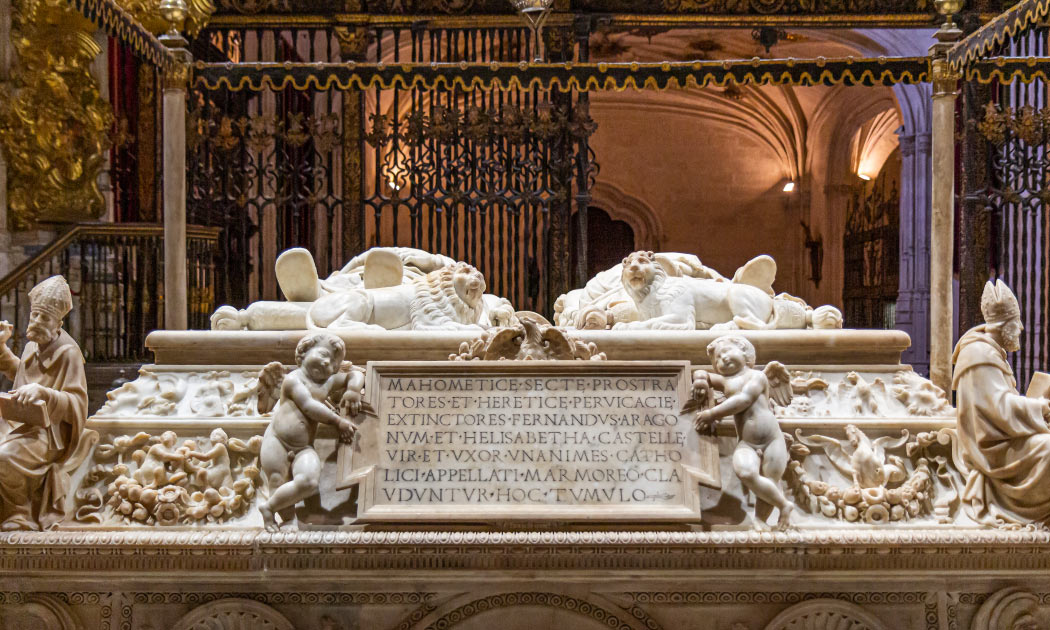
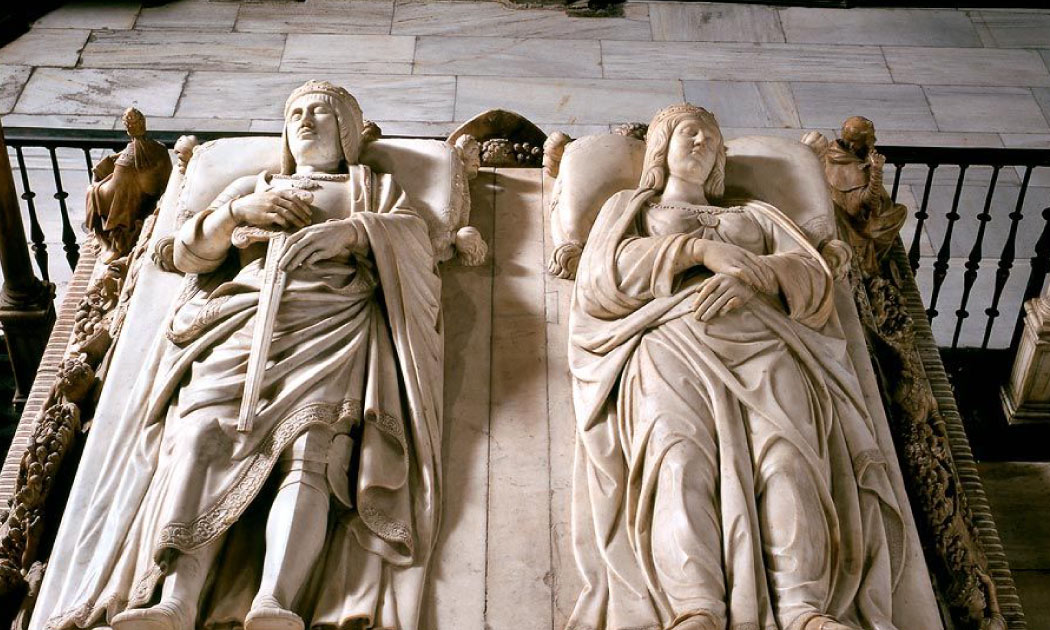
The bond between Isabella, Ferdinand, and Granada was so profound that the Queen stipulated in her will her express wish not to be buried in the traditional royal sites of Toledo or Valladolid, but here. As we have mentioned in previous articles regarding the royal mausoleums, the Catholic Queen desired a simple grave, "low and without adornment." However, history and the devotion of her grandson, Emperor Charles V, bequeathed us the majestic Carrara marble funerary monument that today presides over the crossing of the Royal Chapel, considered a masterpiece of the Renaissance.
January 2nd: The Waving of the Banner
The symbolism of this date comes to life every year with a unique ritual that connects the City Hall with the Royal Chapel. During the celebration of the Day of the Conquest, the traditional tremolación del pendón (the waving of the Royal Banner) takes place. The original royal standard is waved before the tombs of the Catholic Monarchs inside the Chapel. It is a solemn gesture that pays homage to the unification of the kingdoms and keeps alive the memory of that January in 1492, a tradition that continues to fascinate visitors from all over the world.
A Meeting Place with History
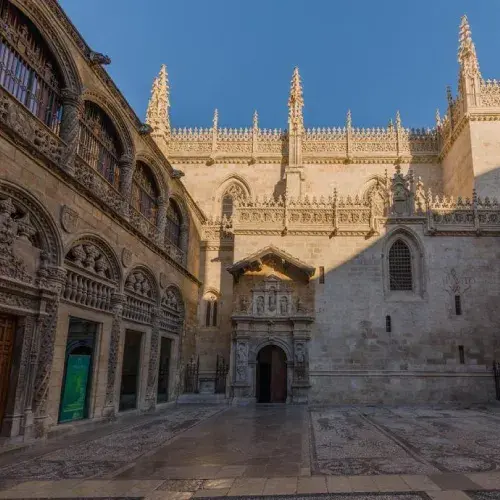
Visiting the Royal Chapel is not just about admiring Isabelline Gothic art or the masterpieces of the Queen's personal Flemish collection (featuring artists like Botticelli or Van der Weyden); it is about understanding why Granada was chosen as the spiritual heart of the new kingdom. Inside, the sobriety of the crypt where the simple lead coffins rest contrasts sharply with the spectacular nature of the cenotaphs above and the magnificent Main Grille, creating an atmosphere of respect and solemnity unique in Europe.
Plan Your Cultural Route This January
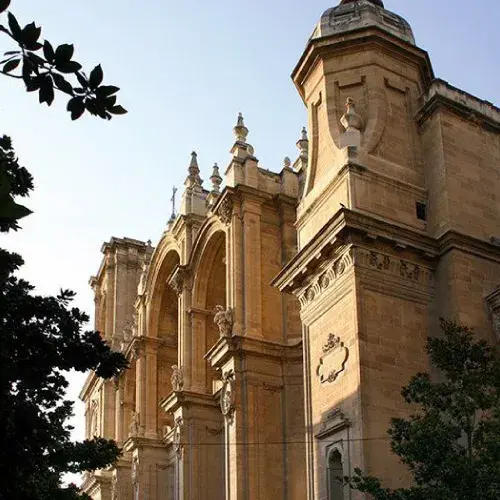
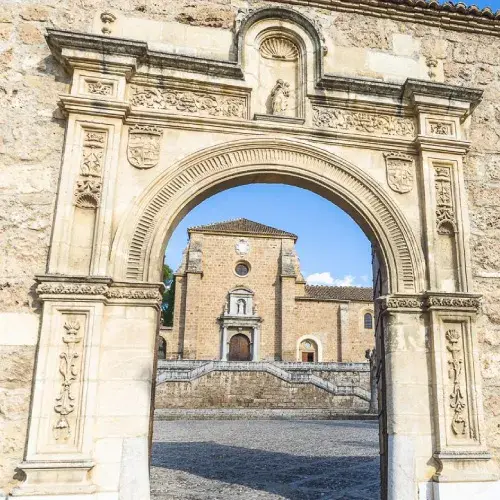
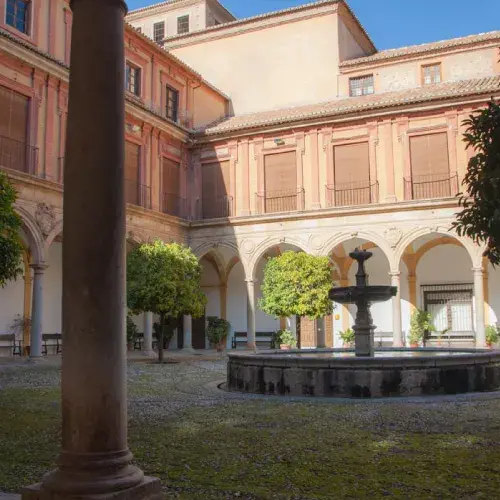
If you wish to experience history up close and understand the legacy that transformed the city, we recommend planning your complete cultural route in advance, especially during the busy holiday season. With our Combined Ticket, you can access not only the Royal Chapel but also the Cathedral of Granada and other key monuments of the archdiocese, optimizing your time and budget during your stay in our beautiful city.