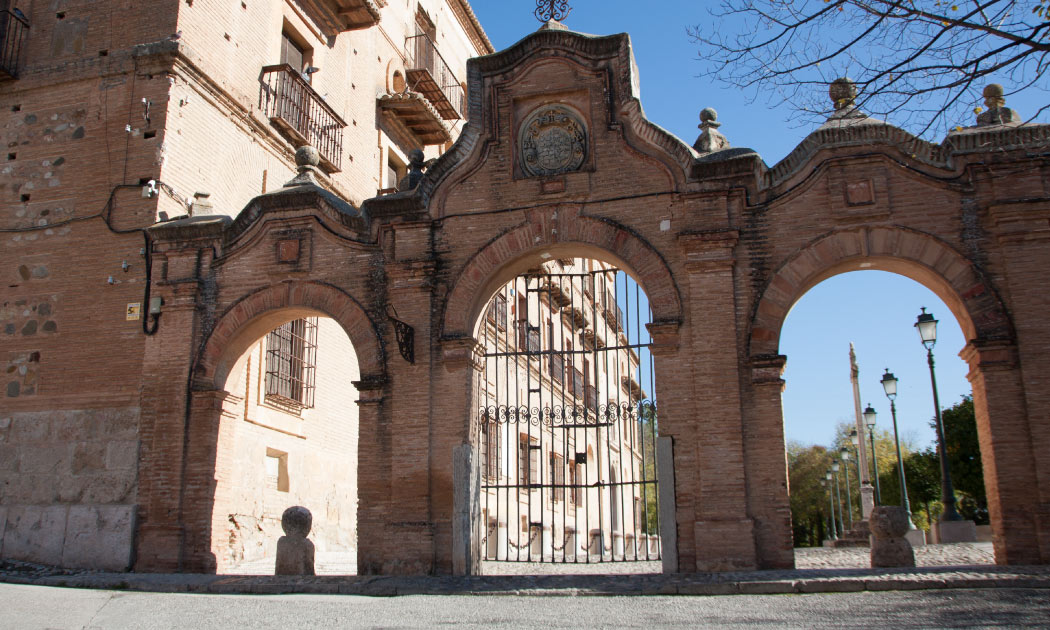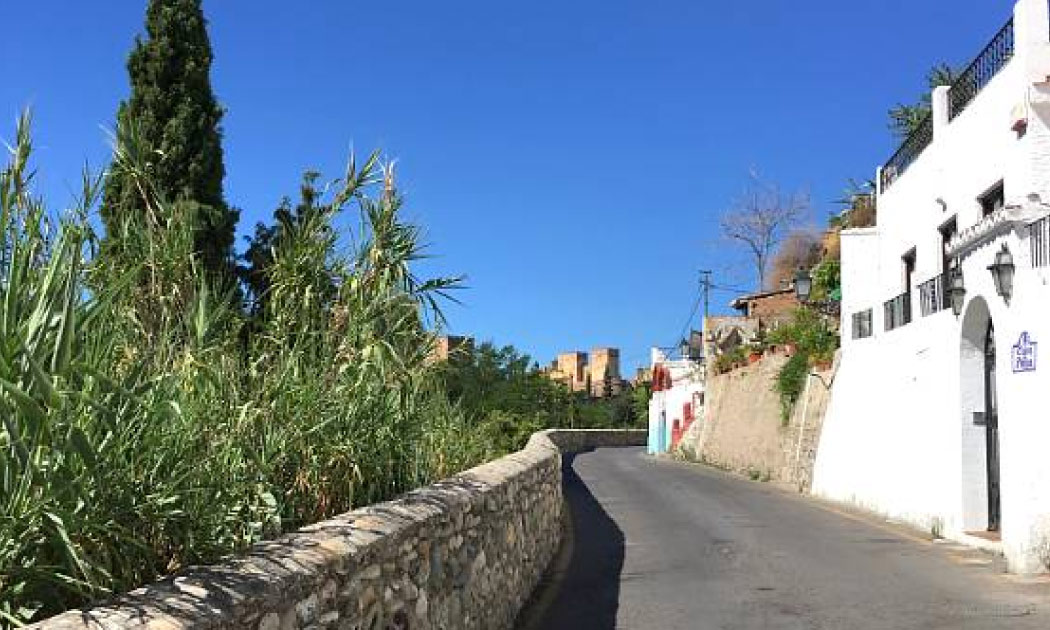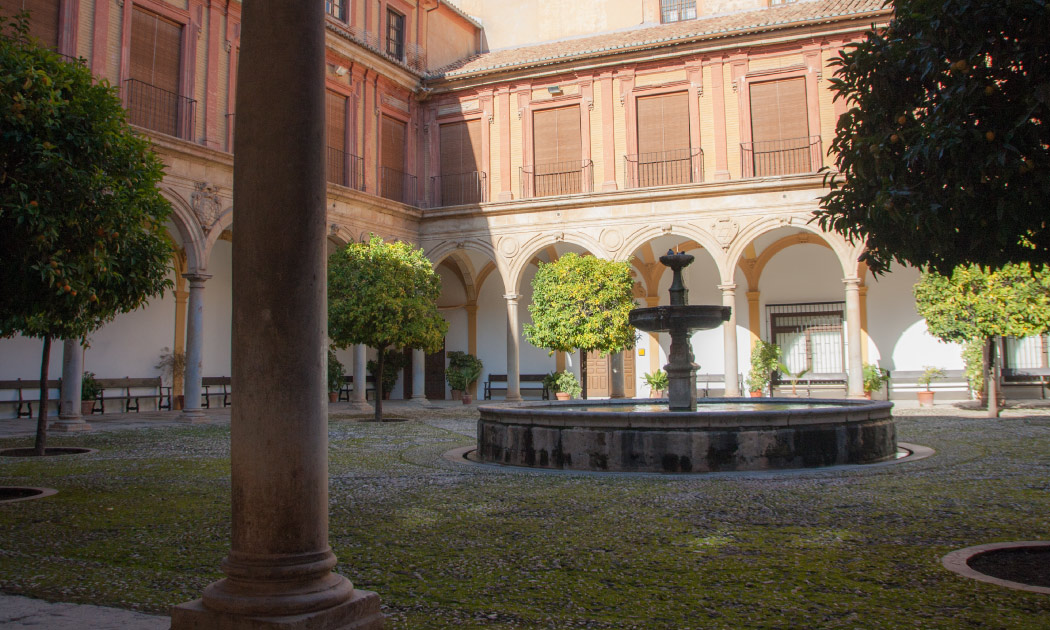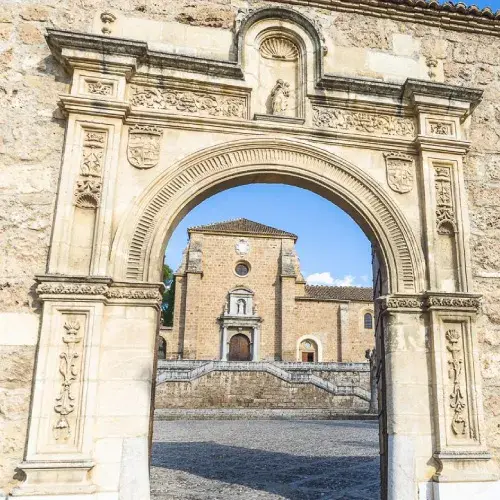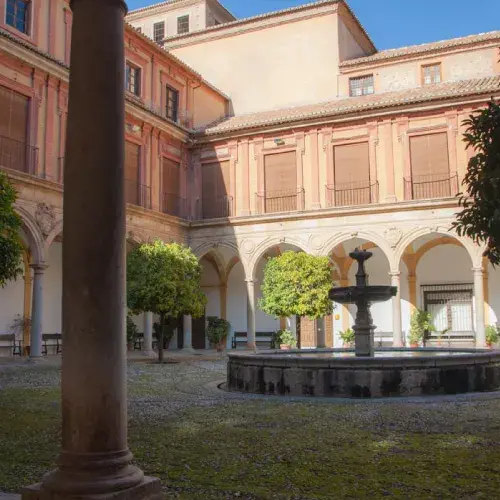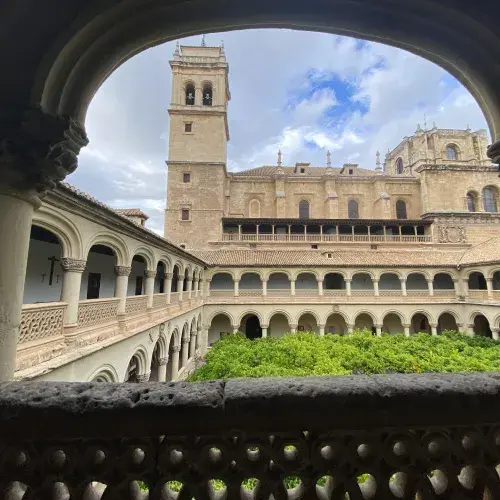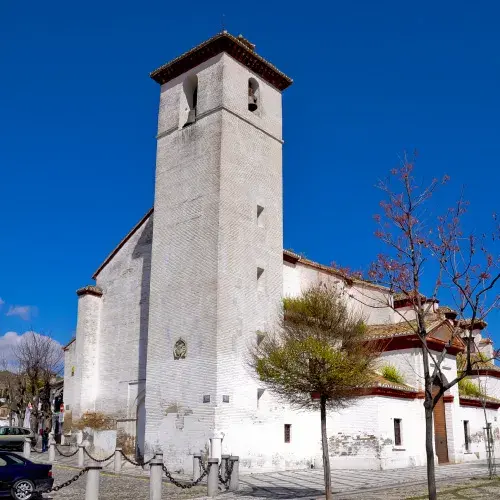




Granada cannot be fully understood without looking towards Mount Valparaíso. There, dominating the Darro valley and facing the majestic Alhambra, stands the Sacromonte Abbey. More than just a monument, it is a reliquary of stone and faith that holds deep within its bowels the very origin of Christianity in the city. Today, we delve into its history, from the depths of its caves to the solemnity of its collegiate church.
The Discovery that Changed History
It all began in the late 16th century, specifically in 1595, when a series of discoveries were made on the slopes of the mountain: human remains and lead plates inscribed in Arabic, known as the Lead Books (Libros Plúmbeos). These texts recounted the martyrdom of St. Caecilius (San Cecilio), the patron saint of Granada, and his companions. This discovery prompted Archbishop Don Pedro de Castro to found the Abbey at the beginning of the 17th century, turning the site into a massive pilgrimage center that transformed the spirituality of the era.
The Holy Caves: The Underground Heart
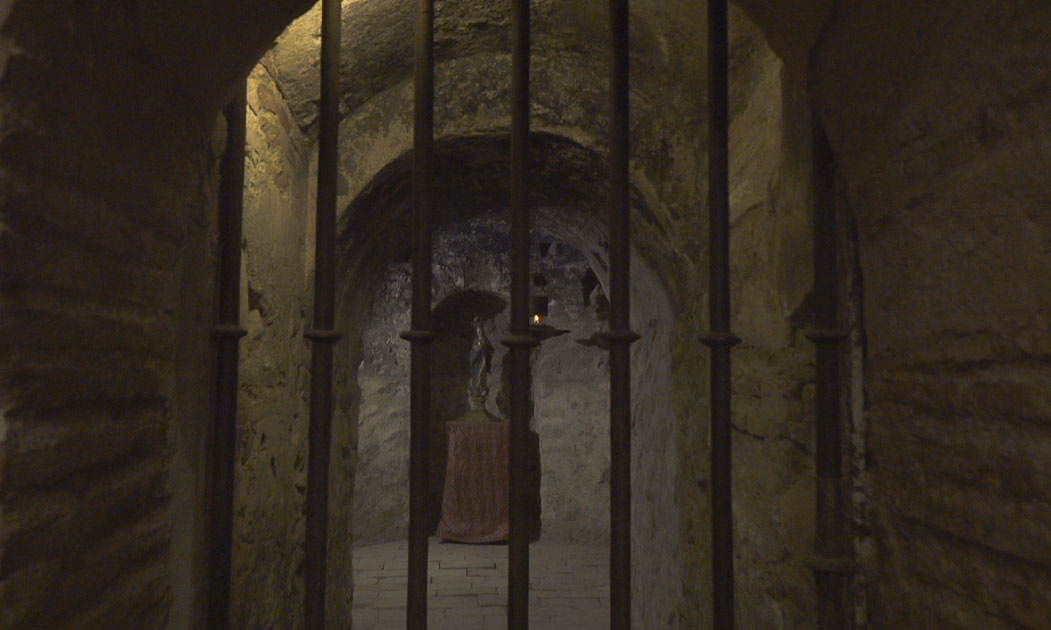
The highlight of the visit to the Abbey lies underground. The Holy Caves (Santas Cuevas) are a set of chapels excavated directly into the rock where, according to tradition, the relics appeared. Walking through these sober and cool passageways, the visitor encounters various chapels dedicated to the apostles and martyrs.
It is here that history blends with popular legend. Among the altars and crosses, two stones stand out: one white and one black. Local Granada folklore claims that whoever kisses the white stone will find a partner and marry that same year, while touching the black one might have the opposite effect. Beyond the folklore, descending into these catacombs is an introspective journey into the city's sacred past.
Art and Devotion in the Museum
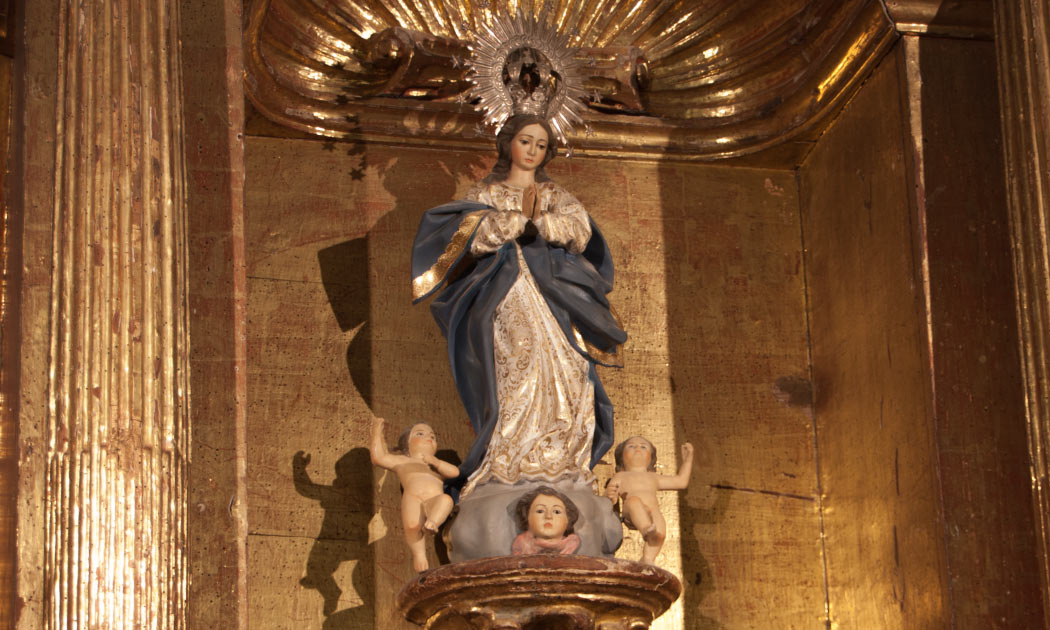
But the Abbey is not just about caves and mystery; it is also an artistic treasure of incalculable value. Its museum houses works that rival major art galleries, including pieces of great iconographic value such as The Virgin of the Rose by Gerard David or the only Goya portrait existing in Granada. As we mentioned in previous posts about sacred art in the city, the Abbey's collection is essential for understanding the Andalusian Baroque period.
How to Visit the Sacromonte Abbey?
To fully live this experience, which combines nature, history, and legend, we recommend planning your route in advance. The Abbey is located in a privileged setting that requires transport or a walk for those fond of hiking and panoramic views.
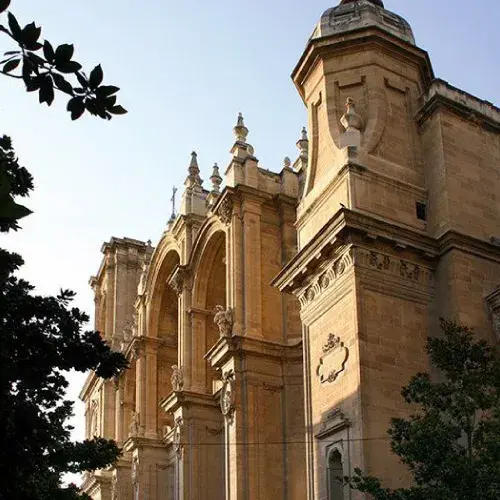
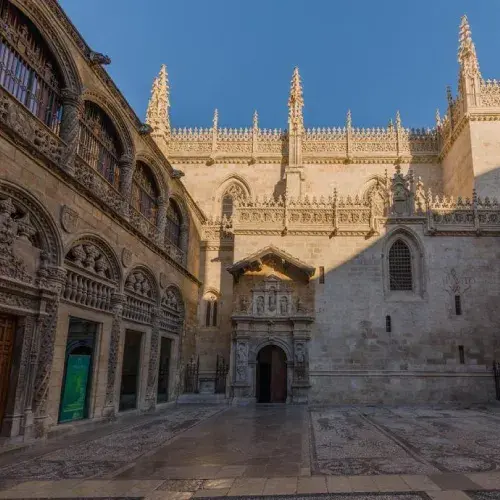
The smartest option for culture lovers is to purchase the Combined Ticket. With it, you will not only have access to the Sacromonte Abbey, but you can also complement your visit with the Cathedral of Granada and the Royal Chapel, thus uniting the place where Granada's faith was born with the place where its historical splendor culminated.