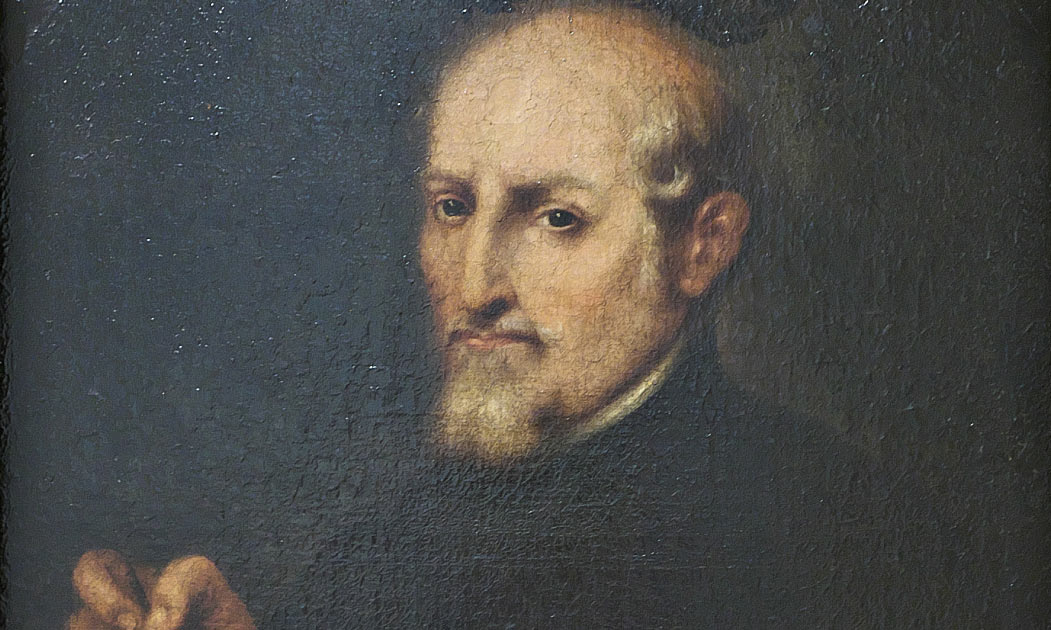


Granada is a city of mysteries, where layers of history overlap between its Nasrid past and its Christian transformation. But if there is one name that defines the aesthetic of Christian Granada and its transition into Baroque splendor, it is Alonso Cano. Often referred to as the "Spanish Da Vinci," Cano was not merely an artist; he was a multidisciplinary phenomenon who painted, sculpted, and designed buildings with the same mastery with which he challenged the authorities of his time.
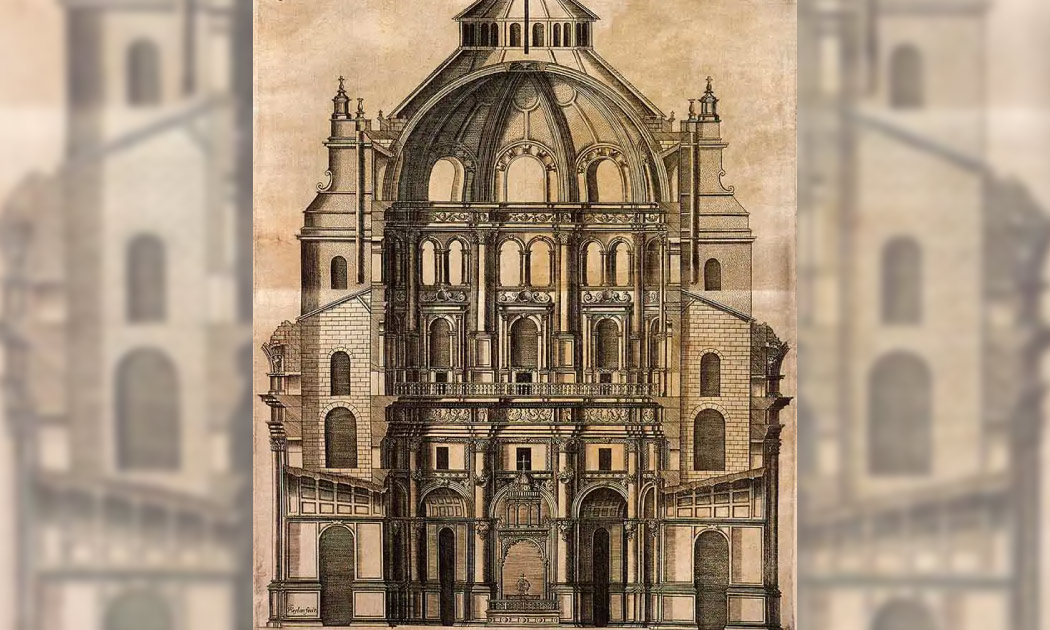
Much like the genius from Vinci, Alonso Cano recognized no boundaries between artistic disciplines. His early training in Seville alongside masters like Velázquez provided him with a refined pictorial technique, but his soul and deepest legacy remain purely Granadian. In the Granada Cathedral, his influence is tangible in every corner. He did not limit himself to decoration; he completely reimagined the sacred space.
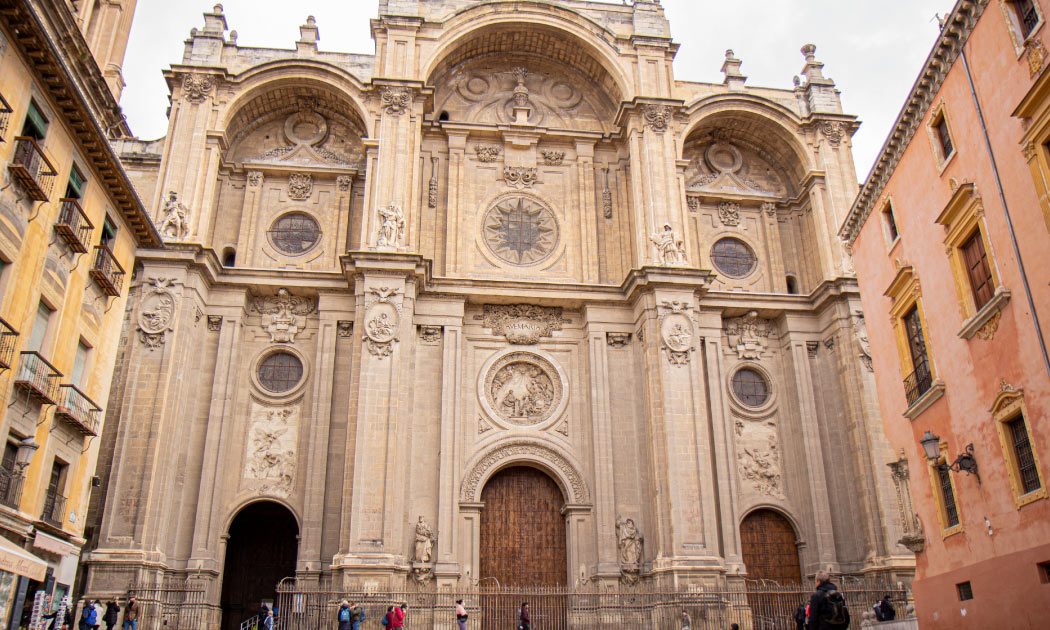
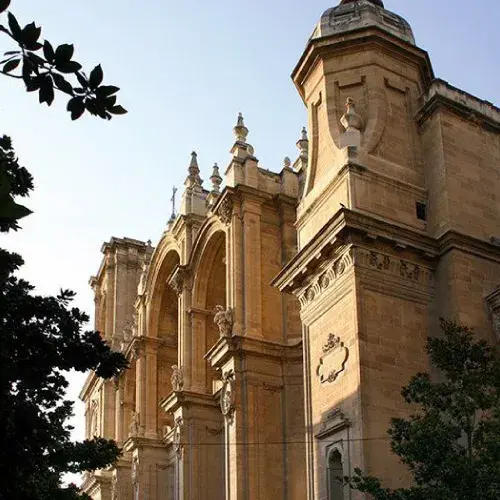
His masterpiece, the main facade of the Cathedral, is one of the most original and powerful pieces of the Spanish Baroque. If you stand before it in the Plaza de las Pasiegas, you will see how Cano broke away from the rigid classical orders of the time to create a tripartite triumphal arch that invites believers and visitors alike into a new dimension of light and spirituality.
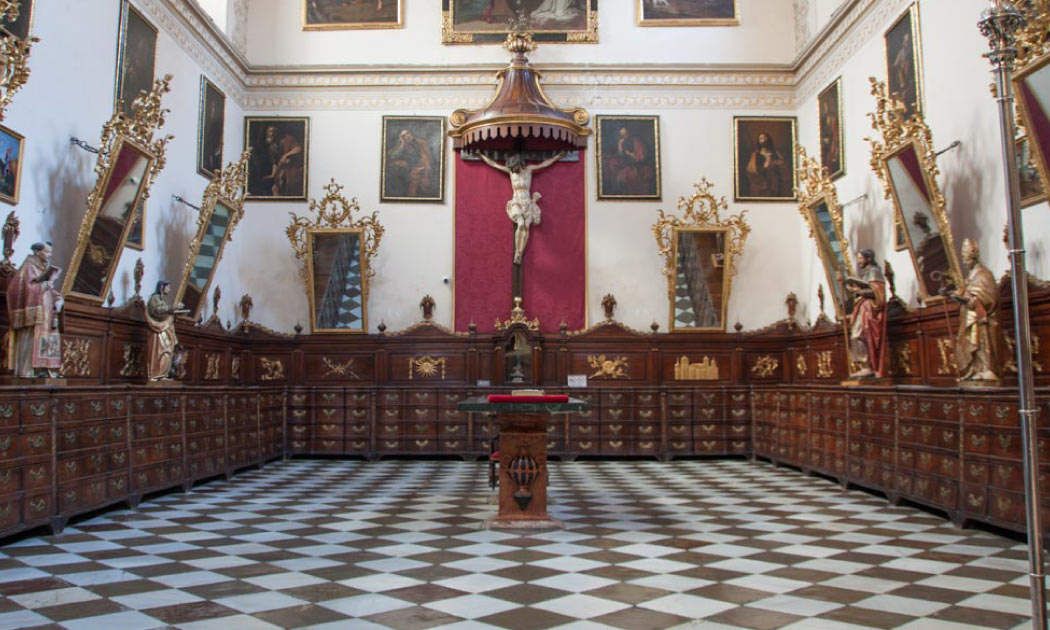
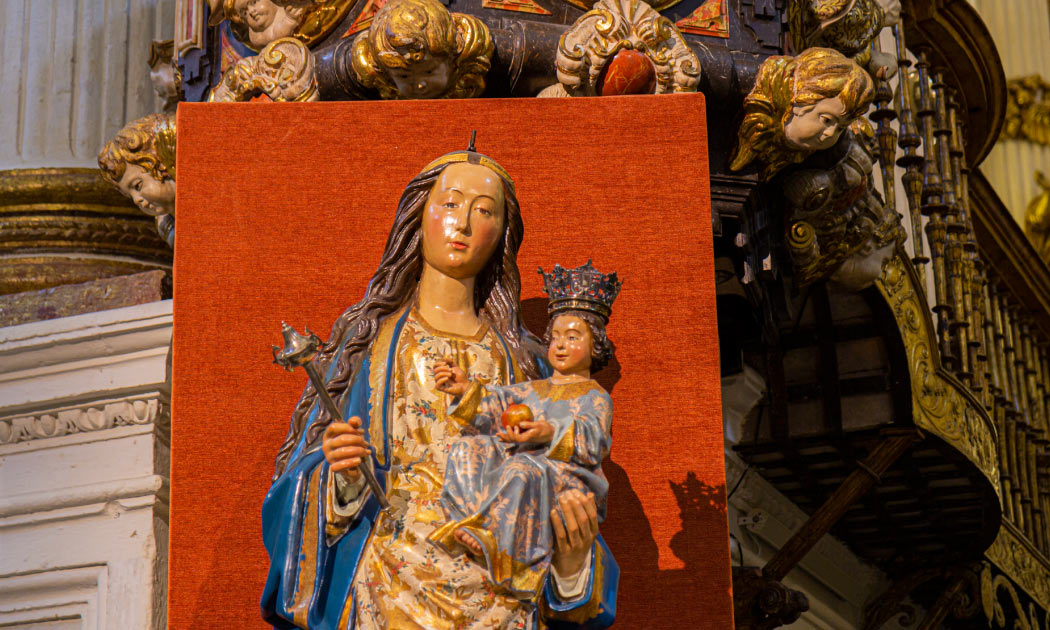
When visiting the interior of the temple, a stop at the Sacristy is mandatory to see the Inmaculada del Facistol (Immaculate of the Lectern). This small polychrome wood sculpture is considered one of the pinnacles of Spanish statuary. Its delicacy, the almost ethereal movement of its robes, and the serenity of its countenance perfectly summarize Cano's style: a restless search for ideal, almost mystical beauty.
It is fascinating to consider how a work of such small dimensions can convey such monumentality. This piece influenced the entire Granadian school of sculpture, leaving a mark that would endure for centuries in artists like Pedro de Mena or José de Mora.
The story of Alonso Cano is also the story of a turbulent and passionate man. His life seems taken from an intrigue novel: he was a murder suspect, endured torture (though he was eventually released due to his status as an artist and lack of evidence), and had constant friction with the Cathedral chapter due to his fiery temperament. His character earned him as many enemies as admirers, but his talent was so "divine" that even King Philip IV intervened on his behalf multiple times to protect his genius.
To truly understand this genius, reading about him is not enough; you must experience his works in the context for which they were created. We suggest a route through his legacy:
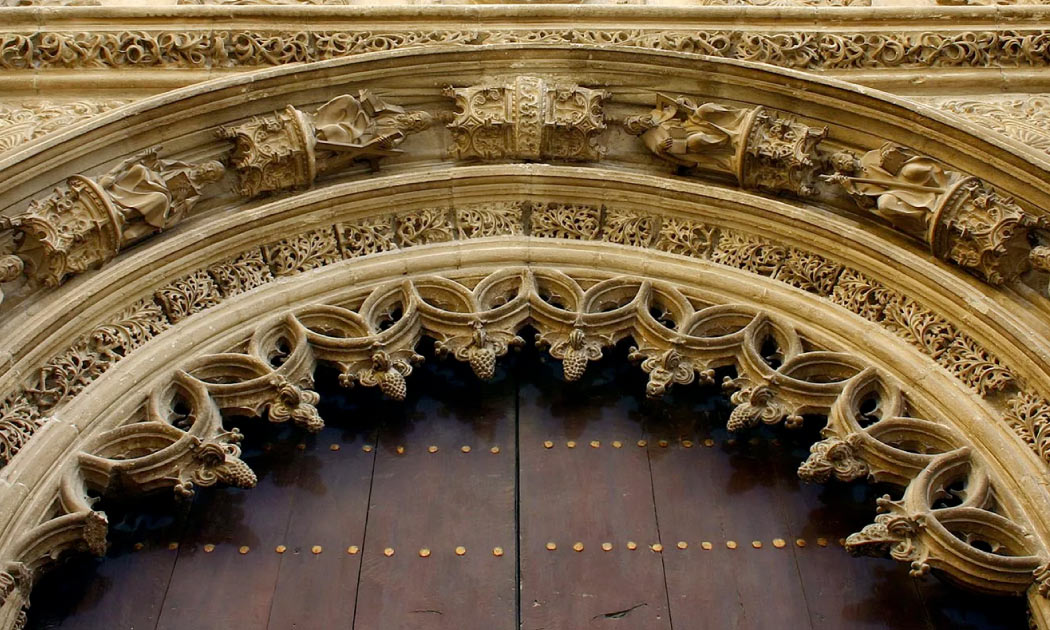
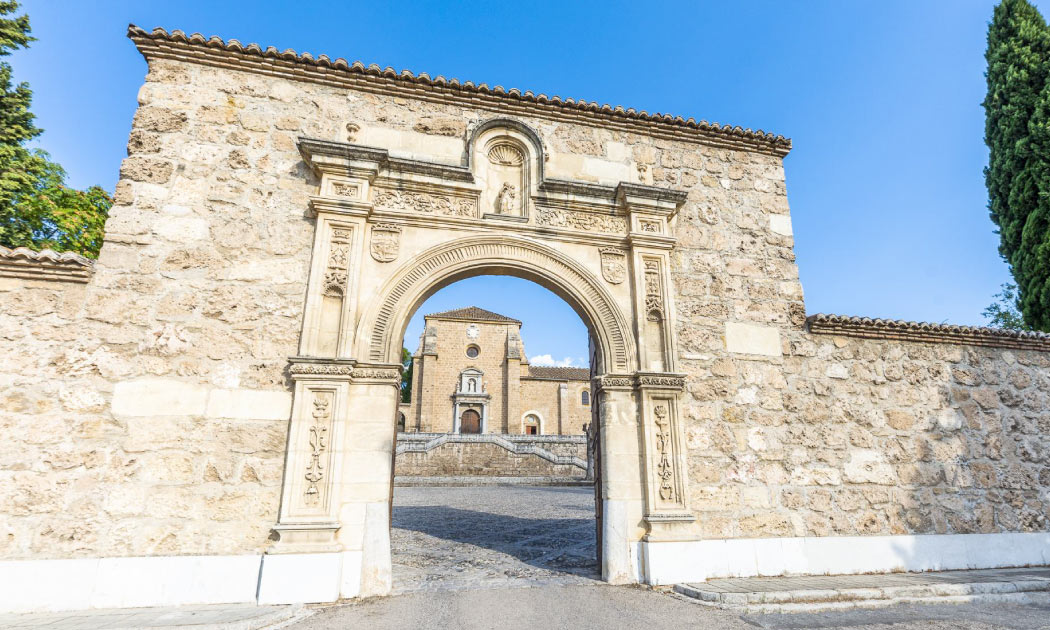
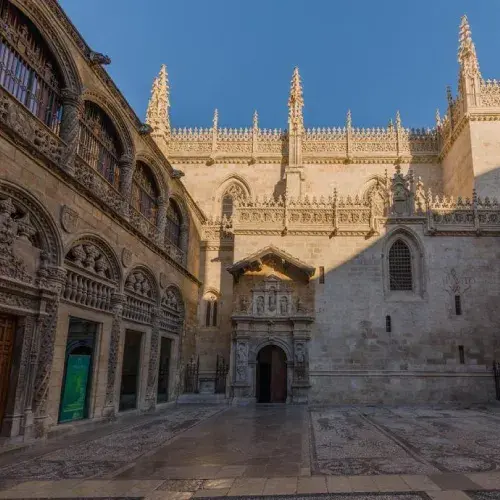
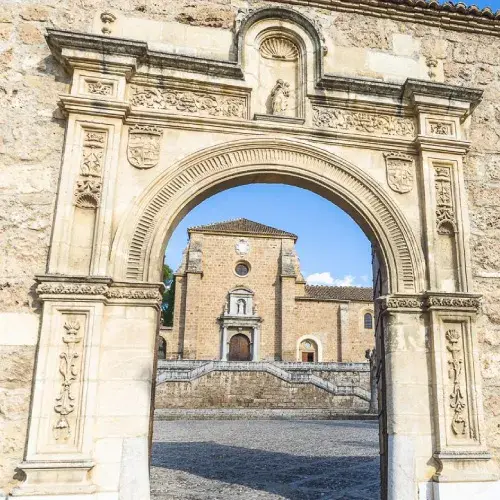
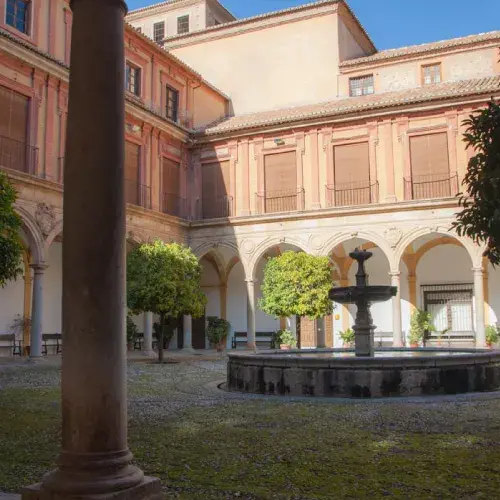
If you want to fully explore the legacy of Alonso Cano and other great masters of sacred art, the best option is to purchase our Combined Ticket. This pass allows you access not only to the Cathedral but also to the Royal Chapel (where you can compare Cano's style with the Gothic style of the Catholic Monarchs) and the Monastery of the Cartuja, another Baroque jewel that perfectly complements this artistic vision.
Visiting Granada today is, in many ways, visiting the city that Cano imagined. His ability to blend painting with architectural structure created a unique atmosphere that distinguishes our Cathedral from any other in Europe. His legacy is not just aesthetic; it is a sensory experience of volume and color.
We invite you to discover more about the history of our monuments in our news and events section, where we delve into the secrets that make Granada an inexhaustible cultural destination.