

Andalusia Cannot Be Understood Without Granada

Andalusia Cannot Be Understood Without Granada

They say that to know where you are going, you must know where you come from. And the history of this land, Andalusia, has a decisive chapter written in stone right here. When February 28th (Andalusia Day) arrives, it is common to see green and white flags celebrating the region's autonomy. But from Tickets Granada Cristiana, we want to invite you to go deeper. We want to go to the root.

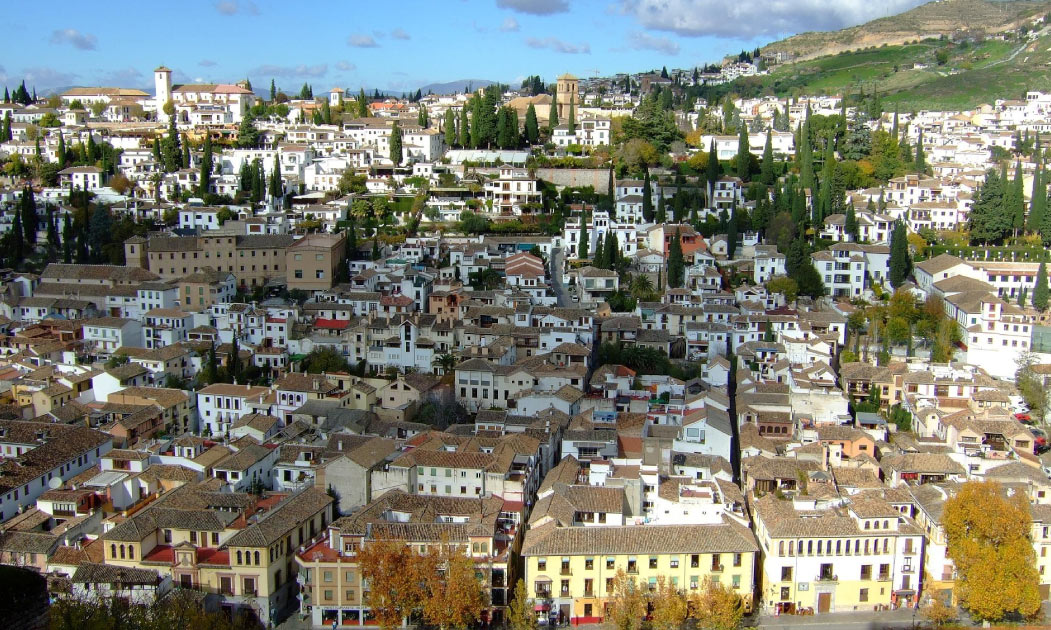
Andalusia is a land of contrasts, of mixtures, and of immeasurable cultural richness. However, there is an inescapable historical truth: the configuration of modern Andalusia—and by extension, of Spain as we know it today—has its epicenter in Granada. It is not just another city on the map; it is the stage where the world changed at the end of the 15th century.

This "28F" (Andalusia Day), we don't want to tell you the usual story. We want to invite you to walk through the places where our identity was forged, from Gothic sobriety to the Baroque explosion.

The Origin of a New Era: The Royal Chapel

If we had to mark a historical "ground zero," this would be it. While other Andalusian cities flourished in commerce or navigation, Granada became the symbol of unity. The decision of the Catholic Monarchs, Isabella and Ferdinand, to remain here forever was not anecdotal; it was an eternal political and spiritual message.

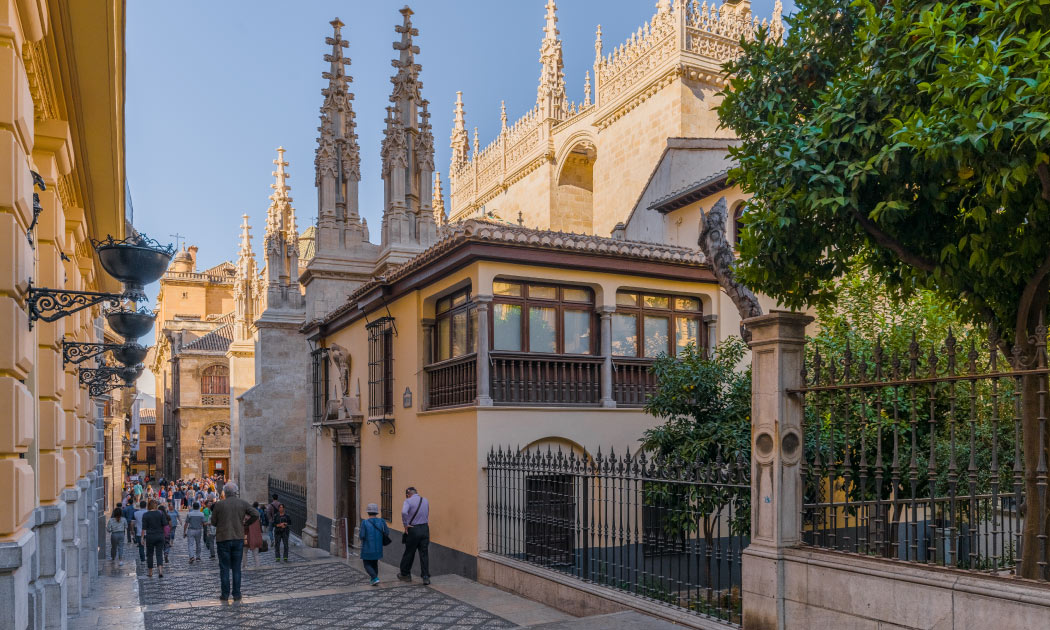
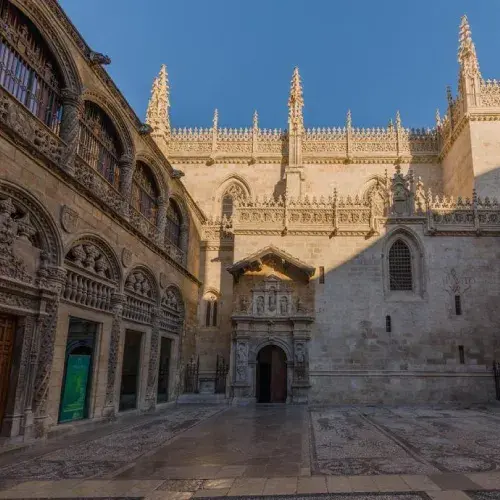
The Royal Chapel of Granada is not simply a burial place. It is the testament in stone of the transition from the Middle Ages to the Modern Age. Crossing its threshold, you encounter the Elizabethan Gothic style in its maximum expression, a style that bridges two worlds.

What does the Royal Chapel tell us about Andalusia?

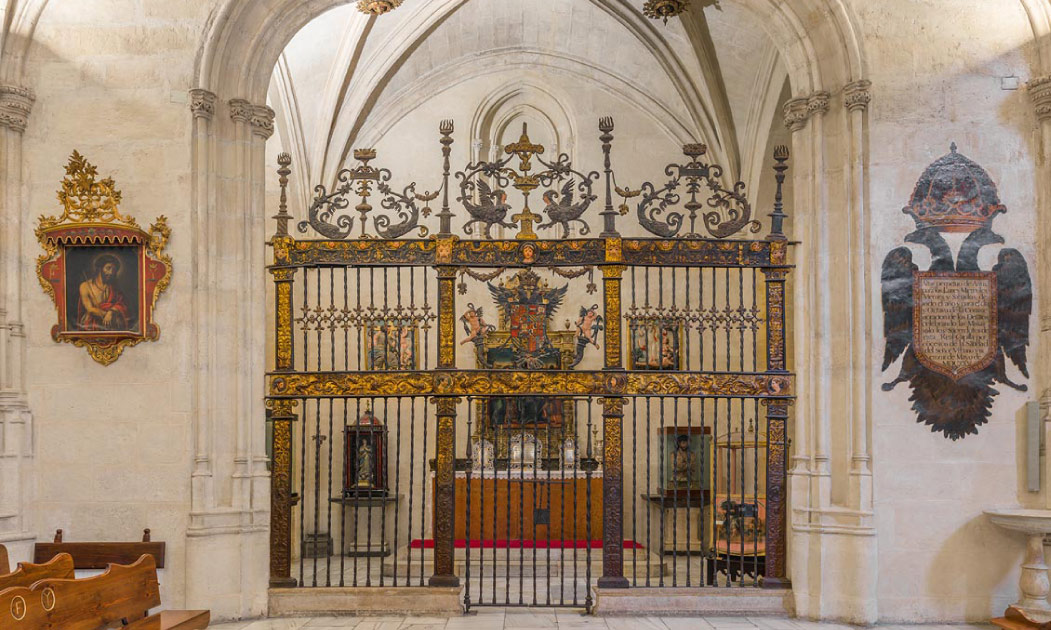
Here rest the founders of a new era. Observing the impressive grille by Master Bartolomé or descending into the crypt is understanding the weight of historical responsibility. Andalusia cannot be understood without realizing that a cycle of eight centuries closed here, and another of global projection towards the Americas began. Visiting the Royal Chapel is, in essence, reading the prologue of our contemporary history.

The Renaissance as a Statement: The Cathedral

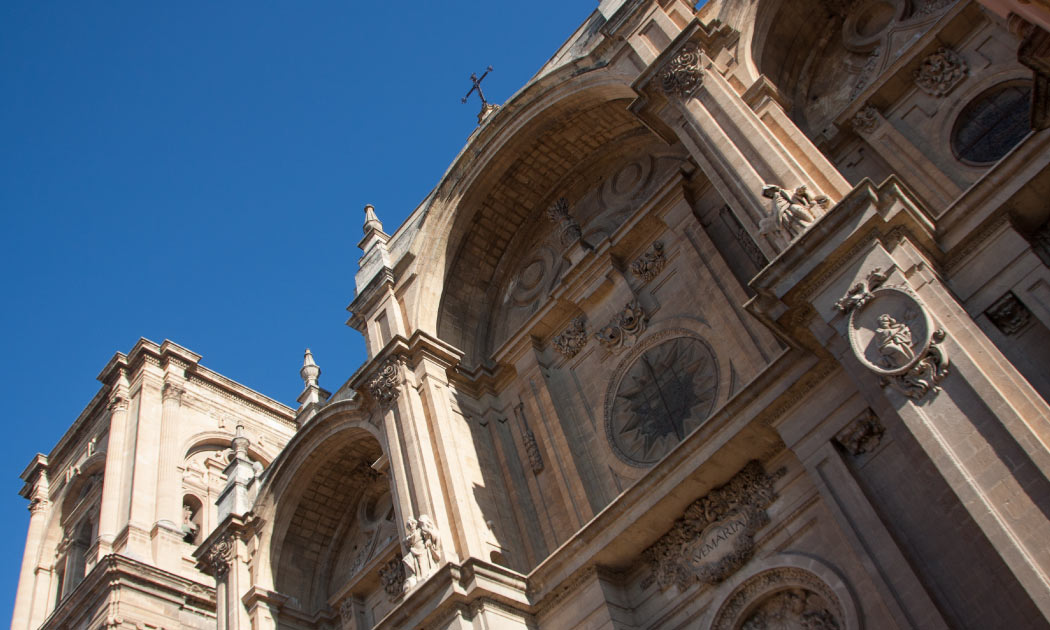
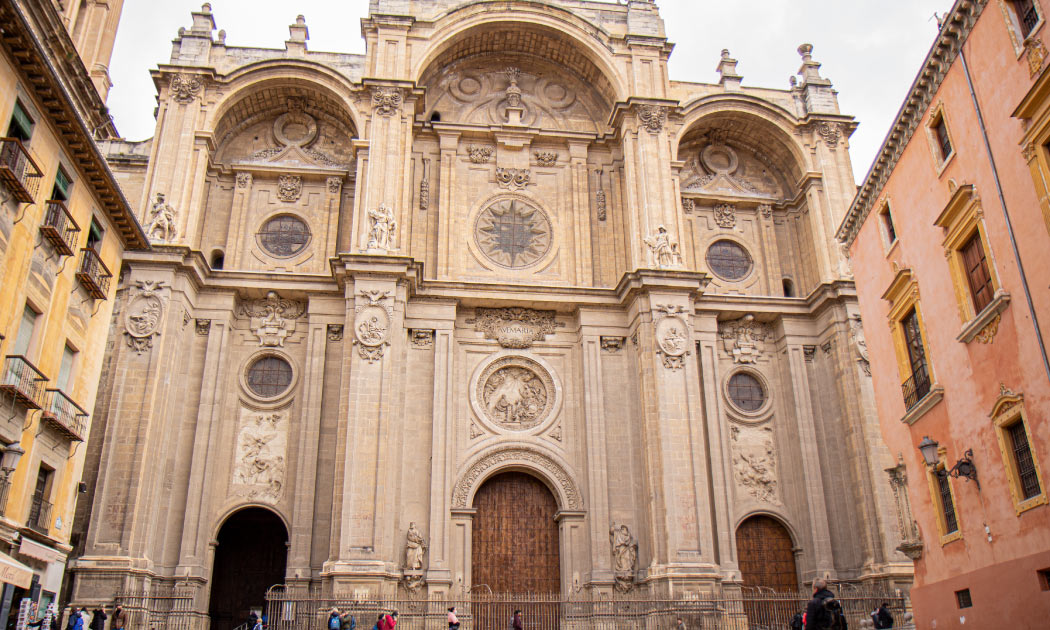
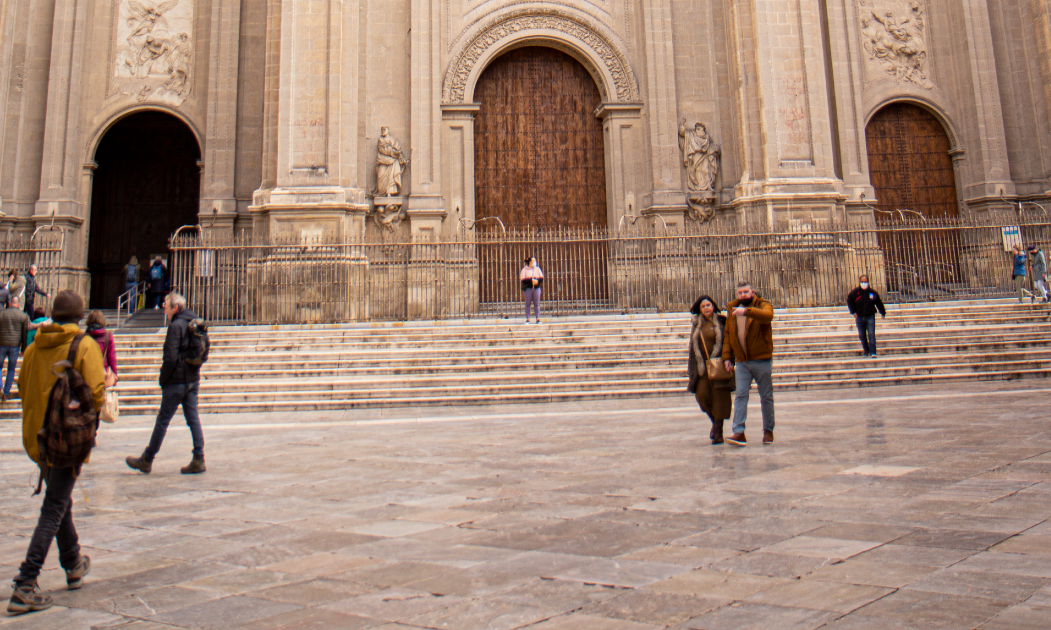
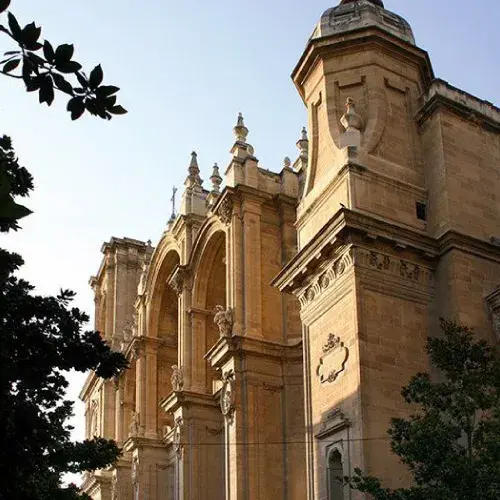
Right next to the Chapel stands the majesty of the Cathedral of Granada. If the Chapel is the origin, the Cathedral is the consolidation. It was the first Renaissance cathedral in Spain, designed to be a symbol of the "New Jerusalem."

Diego de Siloé knew how to adapt art to the Granadian identity, creating a luminous and white work that breaks with medieval darkness. Its immense columns and its Main Chapel seek not only to impress with their size but with their message: Granada was the center of attention for all of Christendom. Understanding Andalusia implies recognizing this period of splendor where art, faith, and power went hand in hand to create monuments unique in the world.

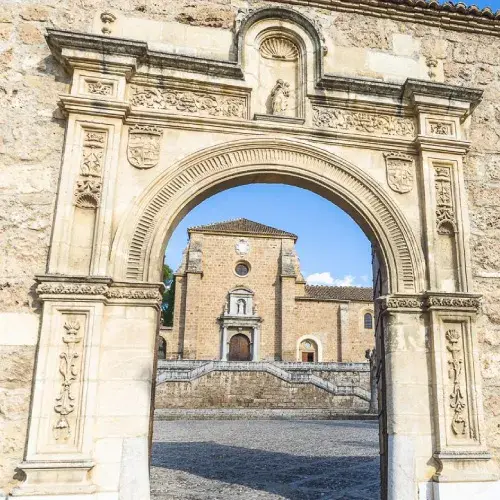
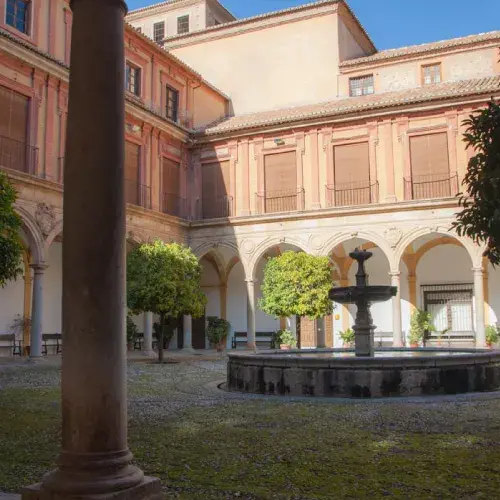
The Cartuja and the Baroque: The Expression of the Andalusian Soul

Moving forward in time, we find that the Andalusian character is often associated with passion, detail, and overflowing emotion. No monument captures this spirit better than the Cartuja Monastery.

Considered the summit of Andalusian Baroque, the Cartuja is a sensory experience. Here, architecture ceases to be mere structure and becomes pure ornamentation. The horror vacui (fear of empty space) takes over every inch in the Tabernacle (Sagrario) and the Sacristy.

Beyond the Stone

This monastery speaks to us of another essential facet of our land: the capacity to transform the austerity of the Carthusian order into an explosion of artistic beauty. The plasterwork, marbles, and paintings by Vicente Carducho or Juan Sánchez Cotán narrate stories of faith that are intrinsically linked to the way culture is felt in the south of Spain.

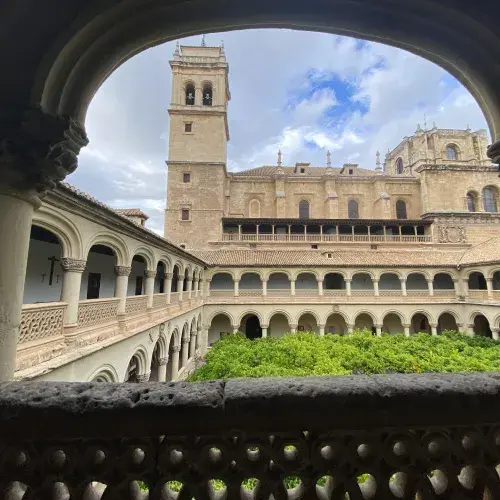
San Jerónimo: Honor and Memory

The identity of a people is also forged through its illustrious figures. In the Monastery of San Jerónimo, the military and noble history of Andalusia comes to life. This impressive Renaissance temple is the pantheon of the Great Captain, Gonzalo Fernández de Córdoba.

The iconography of its main altarpiece and the grandeur of its nave remind us that Andalusia was a land of strategists and power. It is a monument that often surprises the visitor with the spectacular nature of its frescoes and is indispensable for completing the historical puzzle of the city.

Sacromonte: Deep Roots and Mystery

But Andalusia would not be what it is without its mixture, without the popular, and without the mystery. To find that piece of the puzzle, we must go up to Mount Valparaíso, to the Sacromonte Abbey.

Here, among lead books and relics of San Cecilio (patron saint of Granada), a different spirituality is breathed, linked to the caves and the origins of Christianity in the peninsula, but also indissolubly linked to the gypsy community and the birth of flamenco. Sacromonte is the essence of cultural resistance and the most deeply rooted identity. It is the place where academic history merges with legend.

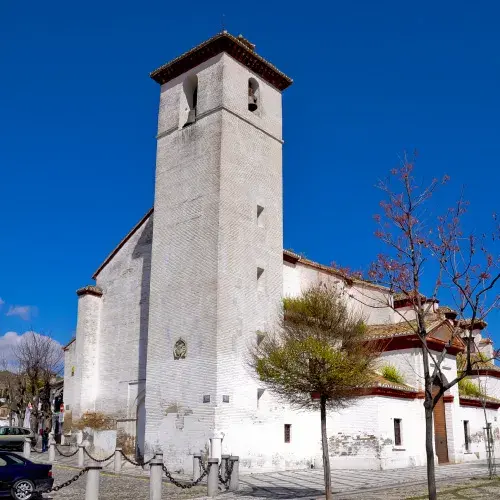
A View from Above: San Nicolás

To finish understanding it all, sometimes you need to take some perspective. The Church of San Nicolás and its Tower offer us precisely that. It is not only the most famous viewpoint in the world looking towards the Alhambra; it is a Mudejar temple built on an old mosque, summarizing in a single image the superposition of cultures that defines Andalusia.

🏛️ This 28F, Treat Yourself to Culture

Granada is not a city to see in a rush; it is a city to be understood. We know that visiting all these monuments separately can involve a high cost and complex time management.

That is why, from Tickets Granada Cristiana, our strategic recommendation for this long weekend or holiday is clear: The Combined Ticket.

Why is it the best option?

  • Guaranteed savings: It is much cheaper than buying individual tickets.
  • Flexibility: It allows you to organize your own route through the history of Andalusia at your own pace.
  • Total access: Includes the Cathedral, Royal Chapel, Cartuja, San Jerónimo, Sacromonte, and Church of San Nicolás.

Book My Monumental Route 28F

Granada as the Heart of the Legacy

This Andalusia Day, we invite you to look beyond the festive celebration. We invite you to walk through the naves of the Cathedral, feel the silence of the Cartuja, and breathe the pure air of Sacromonte. Because Granada is not just another province; it is the custodian of a monumental legacy without which our Andalusian identity would be incomplete.

Come to Granada. Come to history. Understand Andalusia.

What are the monuments to see in Granada?

What are the monuments to see in Granada?

What to see in Granada in 2 days?

What to see in Granada in 2 days?

6 Monuments to Visit in Granada

6 Monuments to Visit in Granada

Are you coming to Granada at Easter? Visit these 6 monuments

Are you coming to Granada at Easter? Visit these 6 monuments

Granada in Winter: History, Silence, and Charming Monuments

Granada in Winter: History, Silence, and Charming Monuments