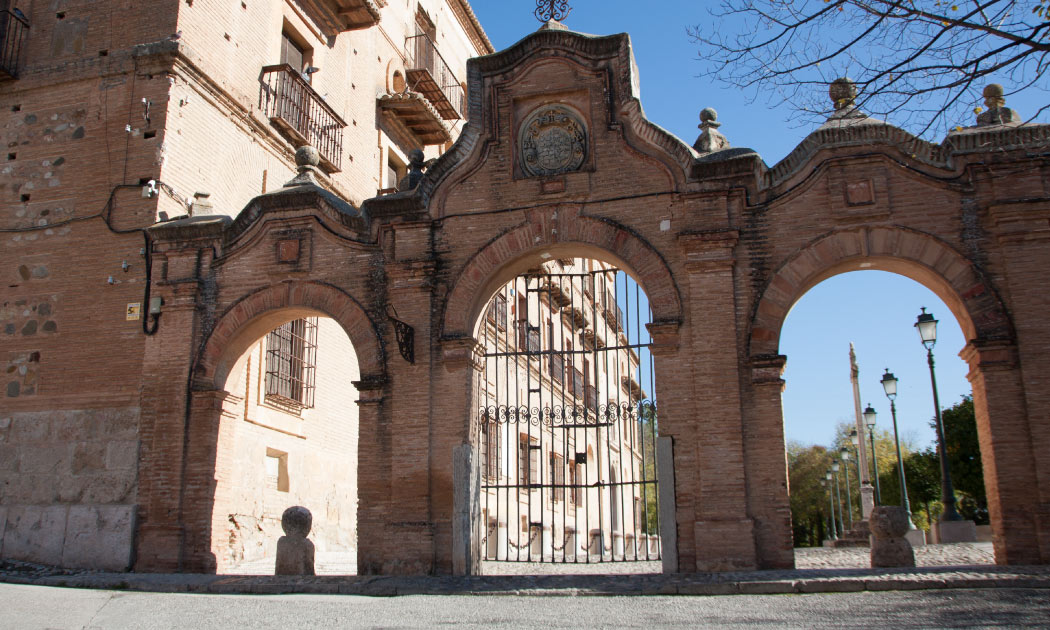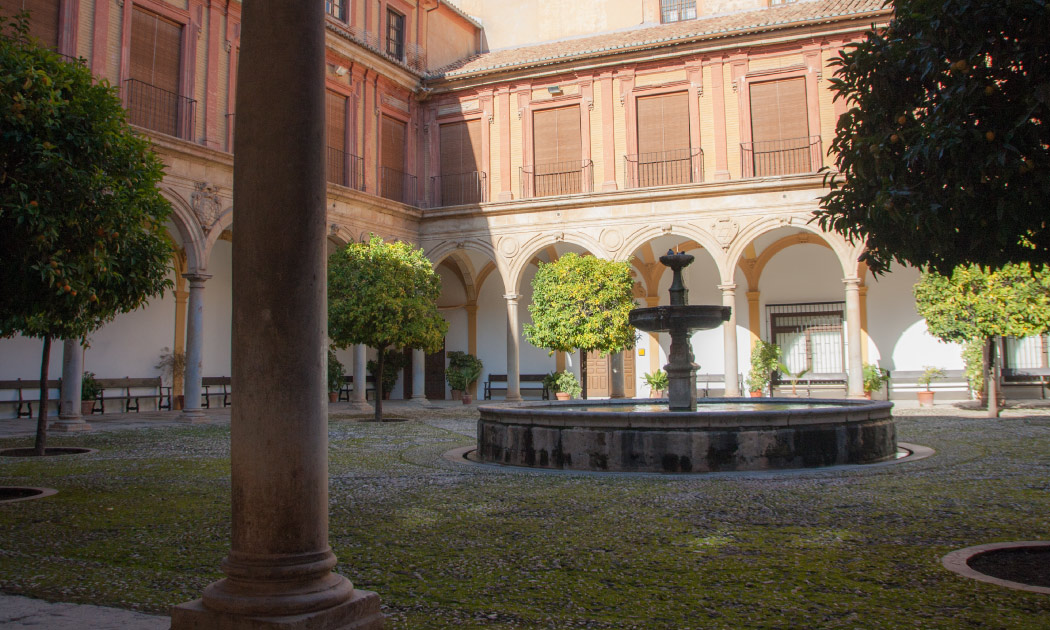




Granada is a city where history is not only read in books but breathed in its streets, admired in its temples, and celebrated in its most deeply rooted traditions. One of the most special moments in the city's religious and cultural calendar is the feast of its patron saint. As we commemorate the 425th Anniversary of the Vow to San Cecilio, we turn our gaze to one of the most mystical and fascinating enclaves in all of Andalusia: the Sacromonte Abbey. But what is the origin of this centuries-old vow, and why does this monument stand as the undisputed spiritual heart of the celebration?
Today, from Tickets Granada Cristiana, we propose a journey back in time to understand the profound connection between the patron saint, the history of Granada, sacred art, and the devotions that have shaped the city from the 16th century to the present day.
The historical origin: The epidemic of 1599 and the miracle of San Cecilio
To understand the magnitude of the 425th Anniversary of the Vow to San Cecilio, we must travel back to the last years of the 16th century. It was the year 1599 when a terrible plague epidemic ravaged much of the peninsula, striking the population of Granada with immense severity. Faced with despair and the ineffectiveness of medical remedies of the time, the civil and ecclesiastical authorities of the city decided to entrust themselves to faith.
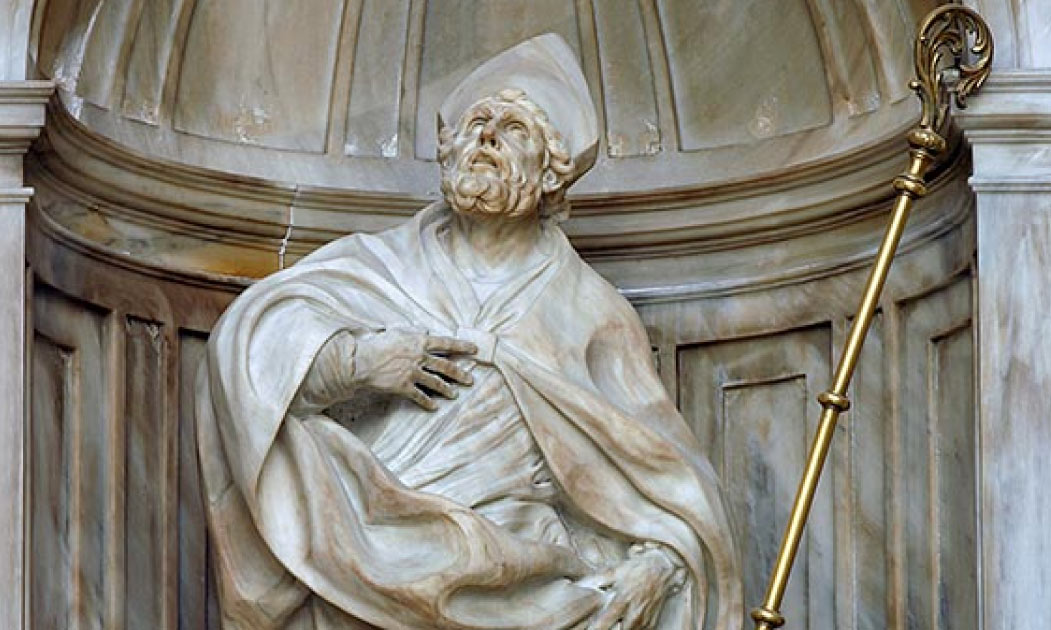
The city made a solemn plea to San Cecilio, who was the first bishop of Iliberis (the ancient Roman Granada) and a martyr of early Christianity. They promised that if the epidemic ceased and the city was freed from the punishment of the disease, the municipal corporation and the people of Granada would go up every year on pilgrimage to honor his relics. Miraculously, the plague subsided. Fulfilling their promise, the "Vow of the City" was established, an unbreakable institutional tradition that has survived the passage of centuries, political changes, and wars, reaching its 425th anniversary today.
Don Pedro de Castro and the birth of the Sacromonte Abbey
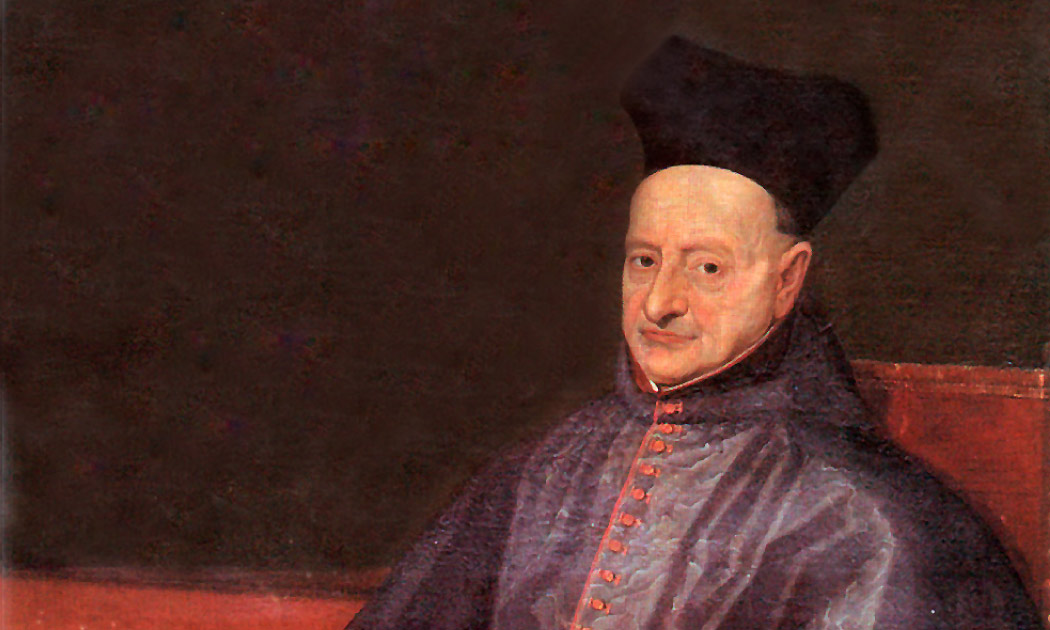
The epicenter of this history has a spiritual architect: Don Pedro de Castro. Appointed the tenth archbishop of post-Muslim Granada in October 1590, this clergyman (who had previously been a visitor of the Royal Chapel and the Royal Hospital) was the fundamental figure behind the creation of the abbey precinct. His goal was to dignify the place where, years earlier, the relics of San Cecilio had been found alongside the famous and enigmatic "Lead Books" (Libros Plúmbeos).
Don Pedro de Castro promoted the foundation of the Sacromonte Abbey, turning Mount Valparaíso into a center of massive pilgrimage. The monumental complex was designed not only as a sanctuary but as a center of theological and university knowledge, becoming the core of Granadan spirituality at the time.
The Holy Caves: The heart of the Vow and devotion
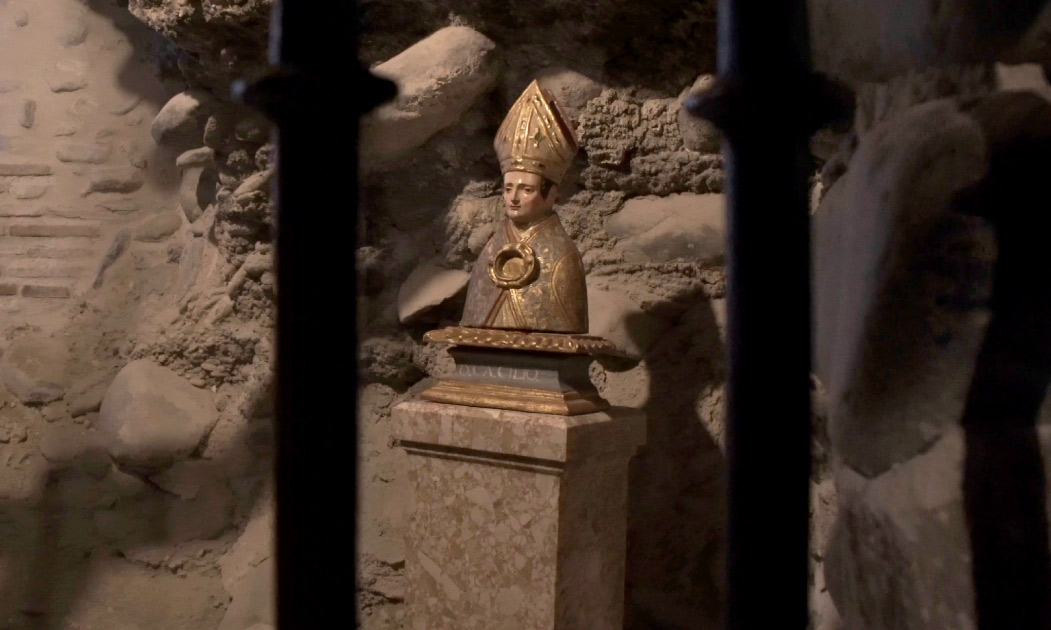
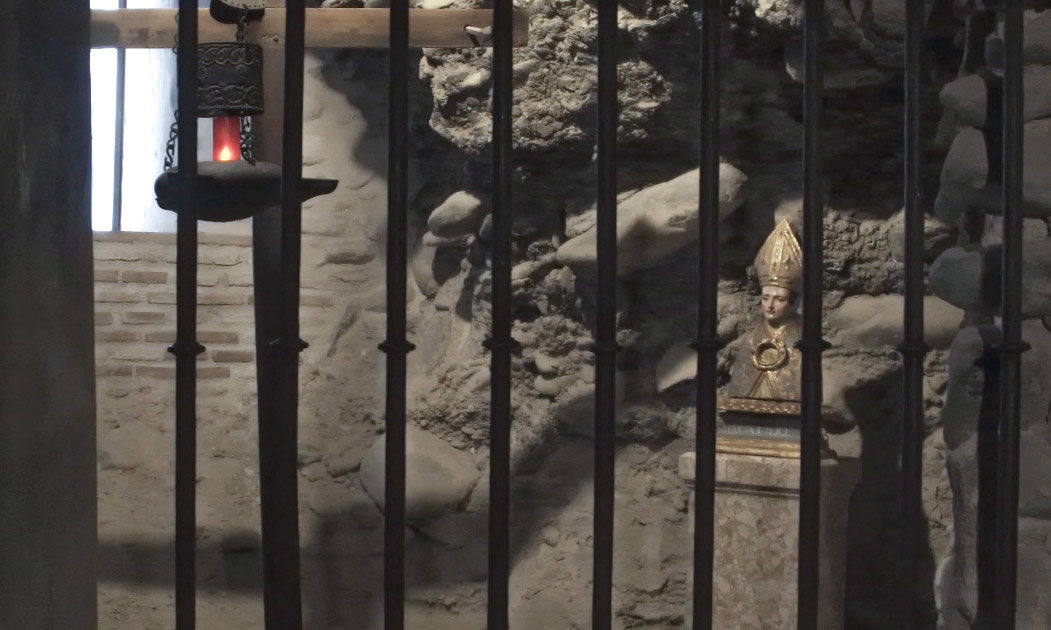
If the Abbey is the body of the monument, the Holy Caves (Santas Cuevas) are undoubtedly its soul. It is in this underground and mysterious space where devotion takes on its most authentic meaning. By descending into the catacombs, the visitor travels to the origins of Christianity on the peninsula. Between these walls carved into the rock is the Chapel of San Cecilio.
It is precisely here where the ashes and relics of the patron saint are jealously preserved. During the celebration of the Vow, this hidden corner becomes the final destination of the pilgrimage. The atmosphere of recollection, the smell of incense embedded in the centennial stone, and the echo of prayers give this place an indescribable aura. Walking through these underground paths is an experience that transports you to a completely different world, far from the urban bustle of modern Granada.
A hidden artistic treasure among the mountains
But the 425th Anniversary of the Vow to San Cecilio is not just a religious event; it is an exceptional invitation to discover the immense cultural heritage of the Abbey. The museum of the institution is one of the best-kept secrets in Andalusia. Inside, each piece of the collection shows the rich religious heritage of the city.
Within its walls, an invaluable pictorial collection is guarded that surprises art lovers. Masterpieces of incalculable historical and aesthetic value stand out, such as "The Virgin of the Rose" by Gérard David, the beautiful "Coronation of the Virgin by the Holy Trinity" by Granadan master José Risueño, and the imposing "Portrait of Don Francisco de Saavedra" painted by the brilliant Francisco de Goya. Add to this the canvas of "The Adoration of the Angels", signed by Vicente Carducho in 1631, whose recent and meticulous restoration has returned all the Baroque splendor to the piece. The Abbey is not only a refuge of faith but a world-class museum.
The Pilgrimage of San Cecilio: Culture, tradition, and folklore
Celebrating the 425th Anniversary of the Vow to San Cecilio is also enjoying the most folkloric and festive Granada. Today, the Vow is accompanied by the traditional pilgrimage (romería) to Sacromonte. Thousands of locals and visitors walk up the picturesque streets of the Albaicín neighborhood and the paths of Sacromonte. The surroundings are filled with music, regional dances, flamenco dresses, and, of course, unmistakable gastronomy.
The esplanades adjacent to the Abbey become a space of coexistence where it is almost mandatory to taste the typical "salaíllas" (a flatbread baked with coarse salt), accompanied by fresh green broad beans (habas), cod, and the classic Carnival curd (cuajada). It is a festival that unites the institutional and religious solemnity of the Vow inside the temple, with the overflowing joy of the Andalusian people outside.
Discover the complete legacy with Tickets Granada Cristiana
The splendor of the 425th Anniversary of the Vow to San Cecilio reminds us of the importance of preserving and visiting our heritage. Understanding the figure of San Cecilio and the creation of his Abbey is understanding the Granada of the Renaissance and the Baroque.
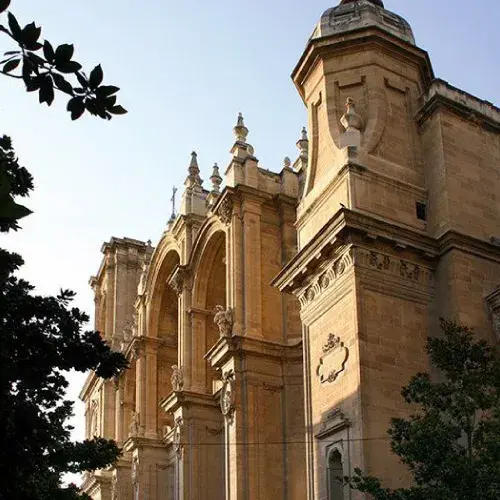
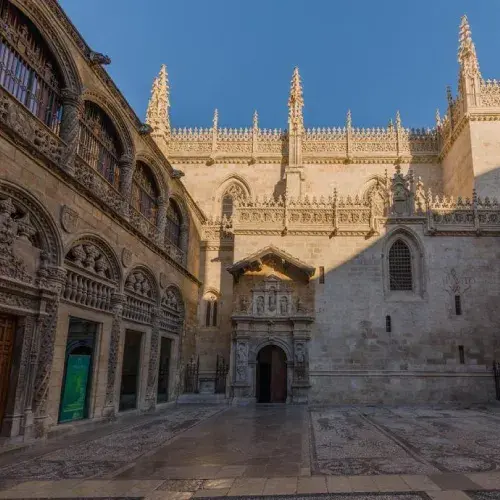
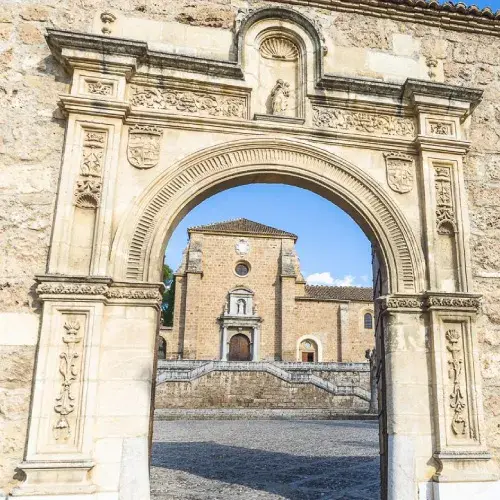
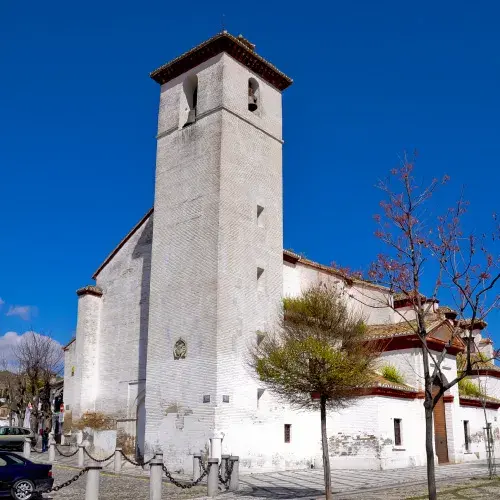
If you want to fully immerse yourself in the history of the city, we recommend that you do so with comfort and planning. With our Combined Ticket, you will not only save time and money, but you will have direct access to the great architectural and spiritual jewels of the city. You can visit the majestic Granada Cathedral, the historic Royal Chapel, the dazzling Baroque of the Carthusian Monastery, the peace of the Monastery of San Jerónimo, the impressive views from the Church of San Nicolás, and, of course, the magical Sacromonte Abbey.
Take advantage of this unique opportunity to walk the same steps that pilgrims have been tracing for over four centuries. Book your tickets at Tickets Granada Cristiana and experience the history, devotion, and art of an eternal city.