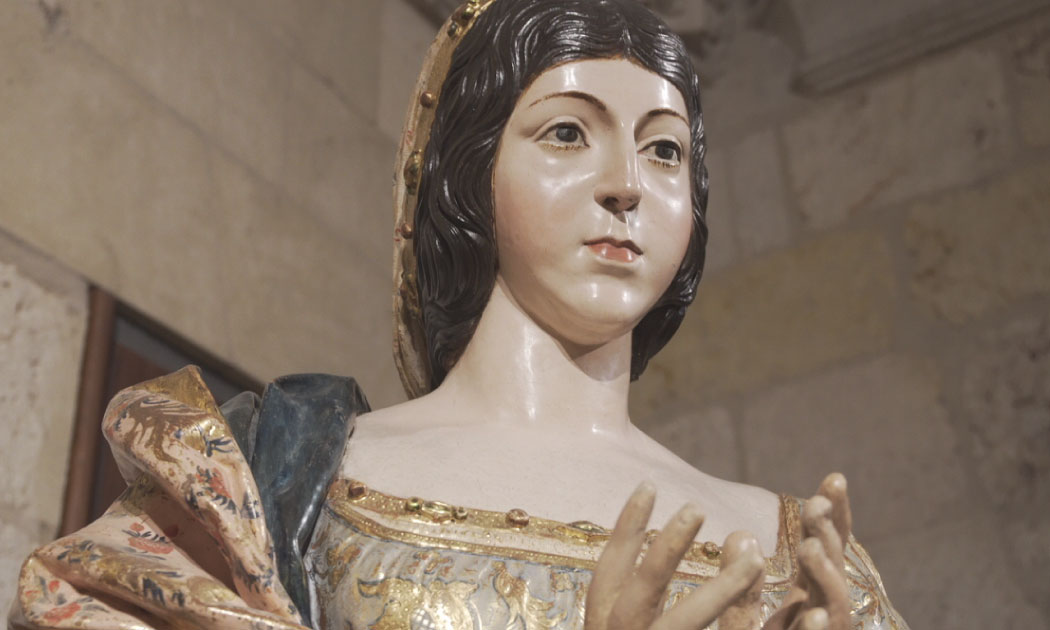




May is the month of flowers, light, and, in Christian tradition, the month dedicated to the Virgin Mary. In Granada, this celebration takes on a special historical dimension when we look back at the figure of the woman who changed the destiny of this city: Queen Isabella I of Castile. The legacy of the Catholic Monarchs is not limited to the unification of kingdoms or the discovery of new worlds; it is found, in a very intimate way, in the deep devotion that the Queen professed towards the figure of Mary.
From Tickets Granada Cristiana, we want to invite you on a journey through the testament and piety of a monarch whose faith transformed the architecture and art of the Royal Chapel of Granada.
The Queen's Will: A wish for eternity and piety
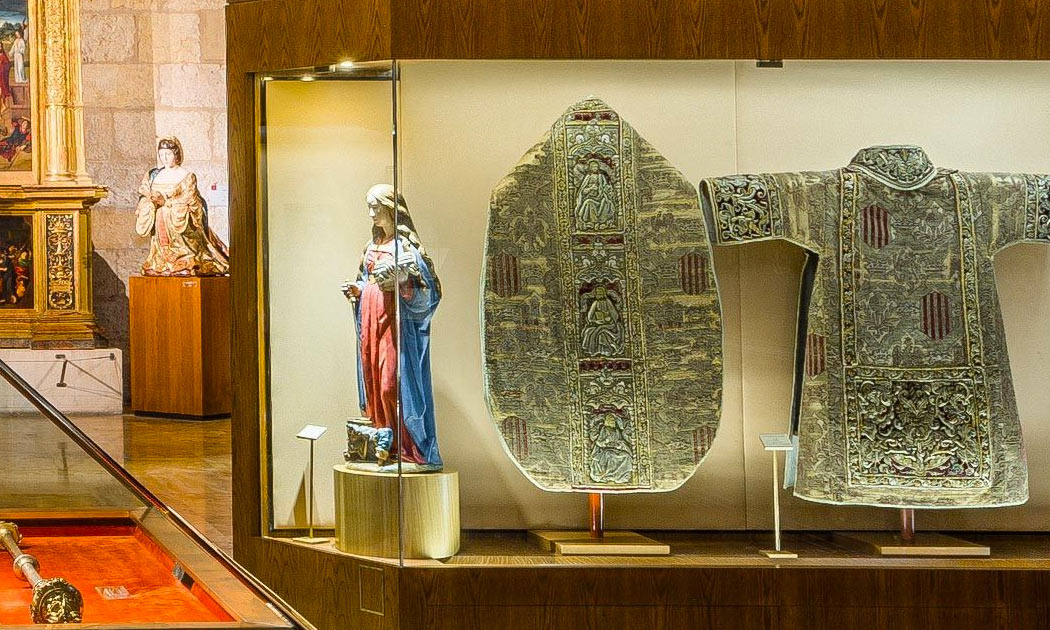
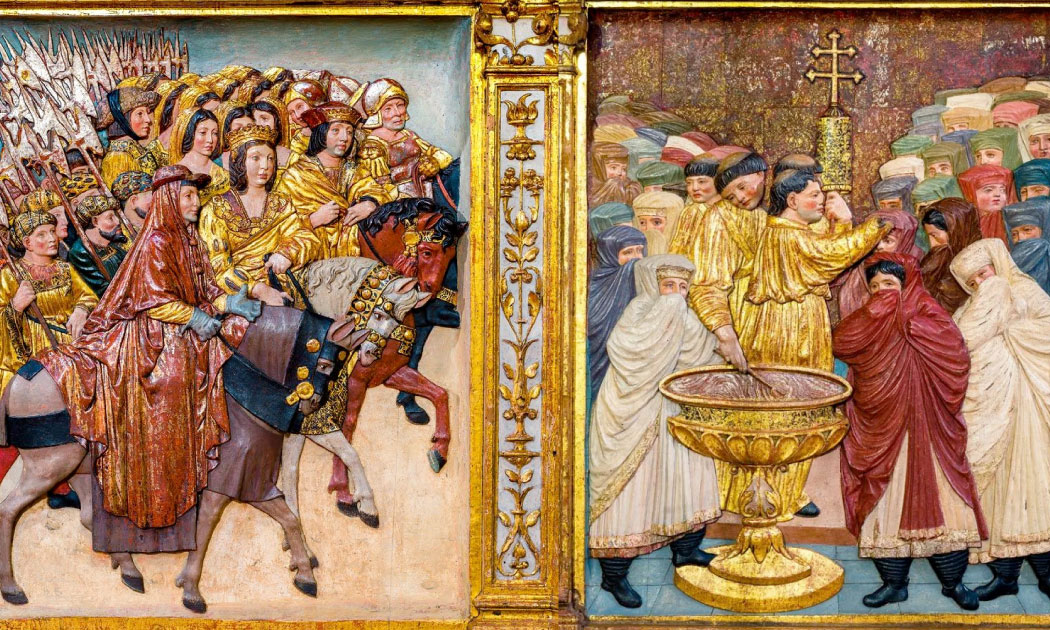
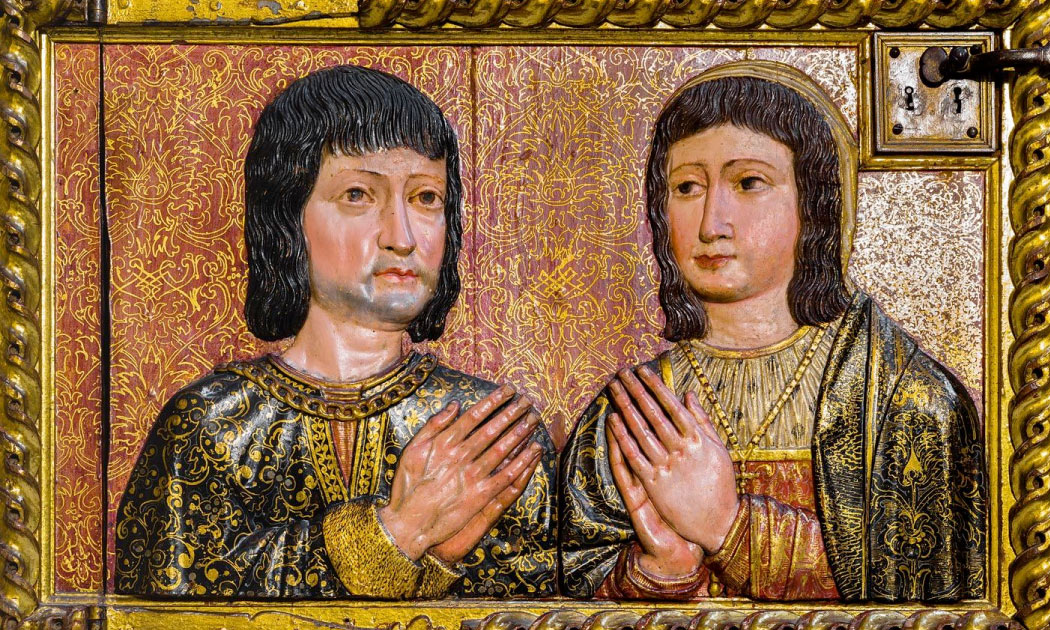
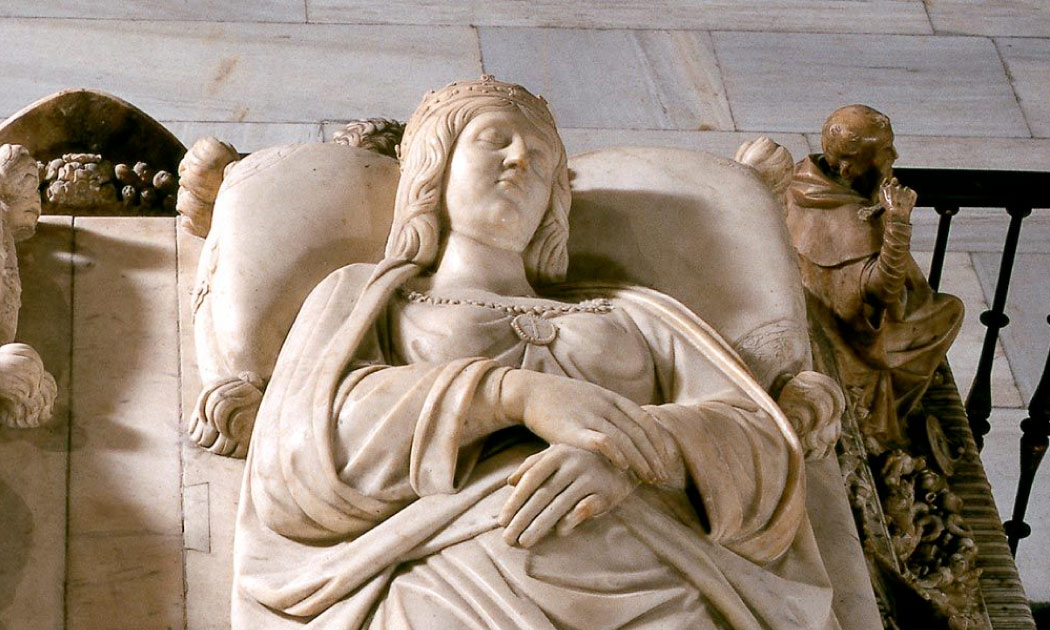
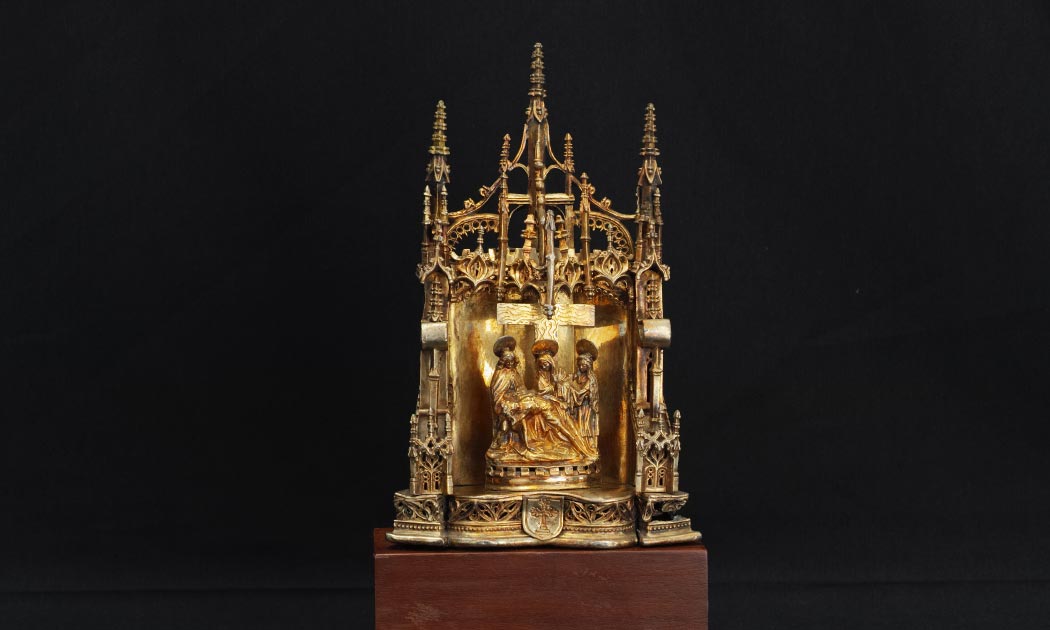
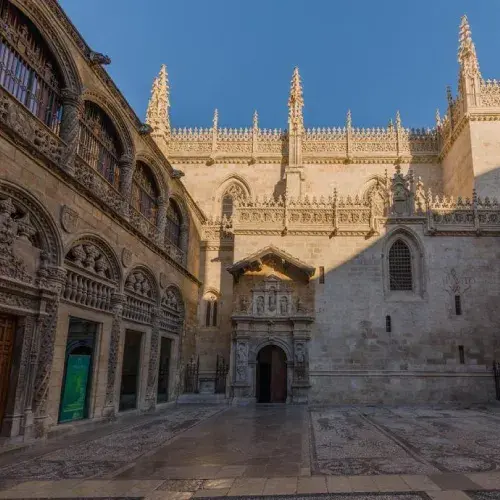
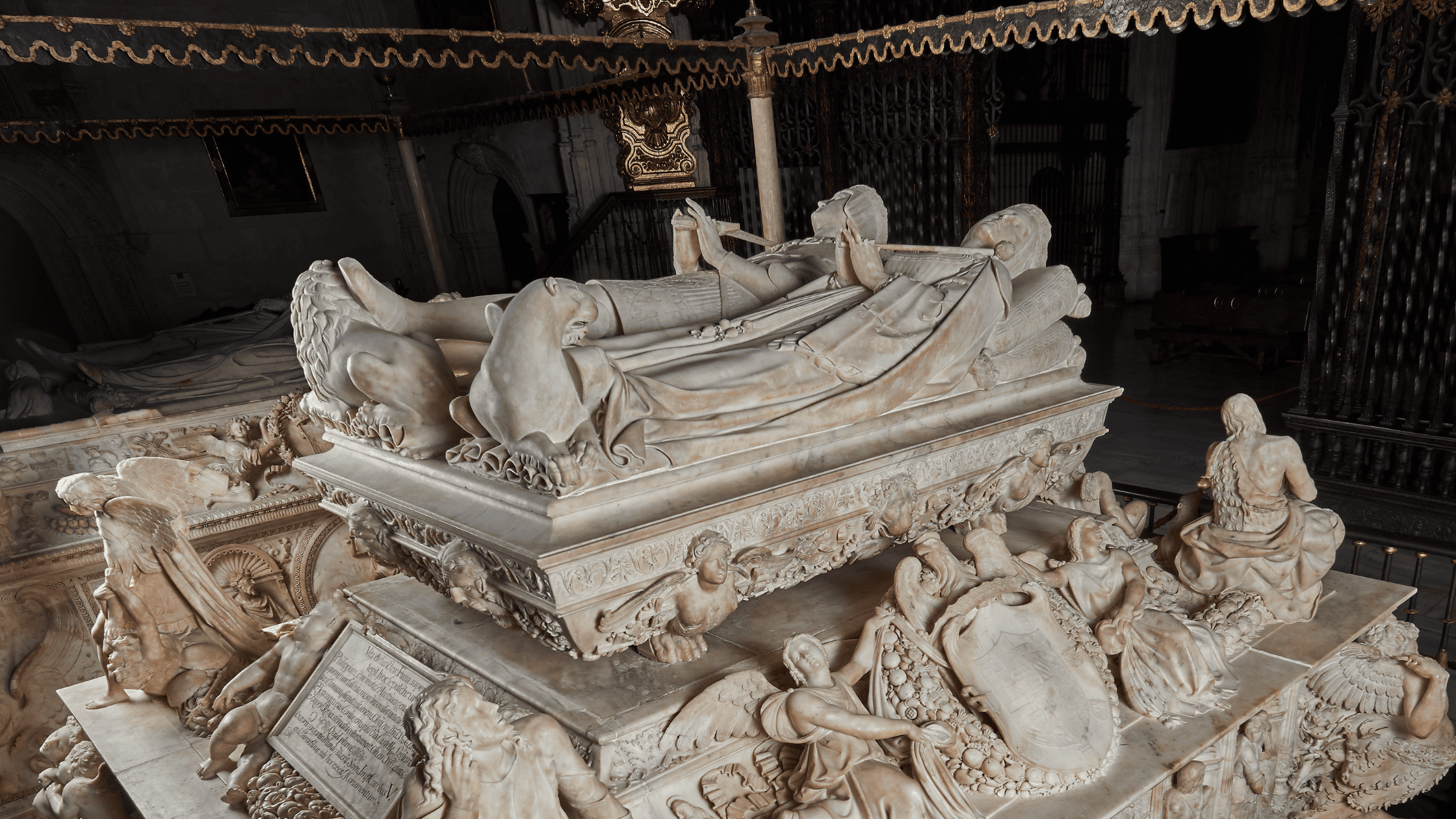
In her final days in Medina del Campo, in 1504, Isabella the Catholic drafted one of the most important documents in Spanish history. In it, she made clear her will to be buried in Granada, the city she fought so hard to conquer. But her testament was not just about politics or lineage; it was a reflection of her soul. The Queen ordered that her "devotional images"—those that had accompanied her in her tent during the war for Granada—be placed in the Royal Chapel.
As our historical records show, based on the study *Piedad y Belleza*, Isabella wished to be surrounded, even after her death, by the Marian representations that had been her comfort in life. This legacy is what we can admire today in the monument's Sacristy-Museum, a space where a queen's piety merges with the genius of Flemish masters.
The Books of Piety: Illustrated prayer
One of the most fascinating references in our archives is that of the Queen's "Books of Piety" (Libros de Piedad). Isabella was not just a woman of action; she had a deep inner life. Her personal books of hours and oratories were richly illuminated with scenes from the life of the Virgin Mary.
These objects, which are now part of the Royal Chapel's treasury, tell us of a monarch who sought in the Virgin Mary a model of motherhood and strength. For Isabella, the Virgin was the "Queen of Queens," and her artistic legacy in Granada is a perpetual offering to that figure. Studying these books allows us to understand the symbolism of every altar and painting she selected for her eternal resting place.
Symbolism in the Flemish Panels: Virgin and Child
If you visit the Royal Chapel, you cannot miss the collection of Flemish panels. Works by artists such as Dieric Bouts or Hans Memling capture the essence of Isabella's Marian devotion. In these paintings, the Virgin does not appear as a distant figure but as a tender mother holding the Child Jesus.
This artistic style—Flemish—was the Queen's favorite due to its realism and its ability to convey deep emotions. Every detail—the fold of a robe, the transparency of a veil, or the light bathing the scene—was charged with theological symbolism that Isabella knew and meditated upon. By donating these works, the Queen not only enriched Granada's heritage but left an indelible mark of her faith on sacred art in Granada.
Beyond the Chapel: Our Lady of Antiquity and San Jerónimo Monastery
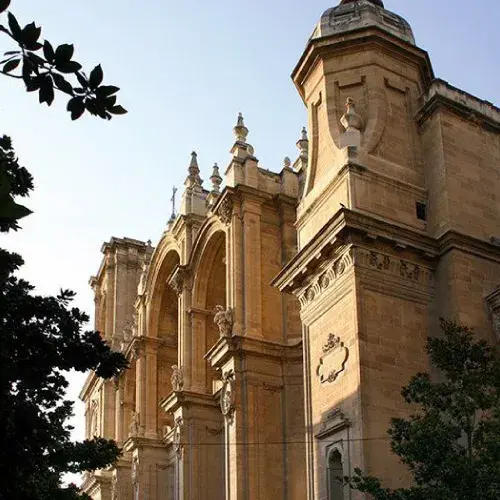
Isabella's Marian devotion extends throughout the city's historical center. In the majestic Granada Cathedral, we can find Our Lady of Antiquity (Virgen de la Antigua), an image that, according to our historical data, accompanied the Christian armies in the Reconquista and was initially placed in the Royal Mosque of the Alhambra by the Queen's own order.
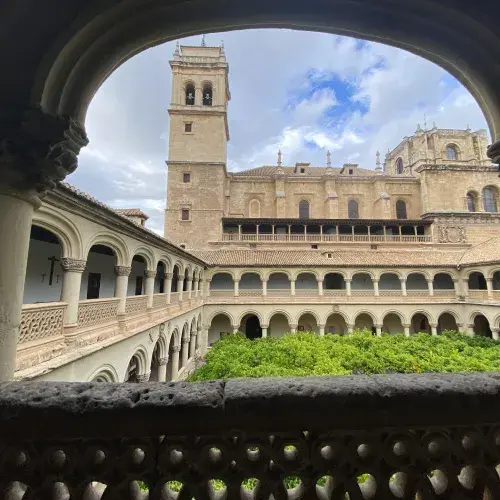
Likewise, the Monastery of San Jerónimo, the first royal foundation after the conquest of the city, was conceived as a monument to the faith that Isabella and Ferdinand defended. Walking through these spaces in the month of May is to understand the magnitude of the spiritual project initiated by the Catholic Monarchs.
Discover Isabella's legacy with the Combined Ticket
Understanding the figure of Isabella the Catholic requires visiting the places where her will was carved in stone and art. To make this historical and devotional journey as comfortable as possible, we recommend our Combined Ticket.
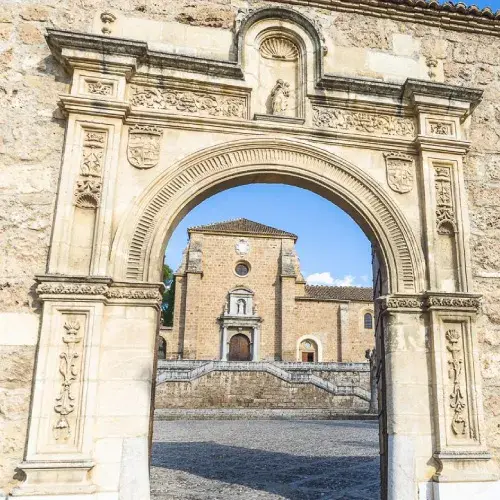
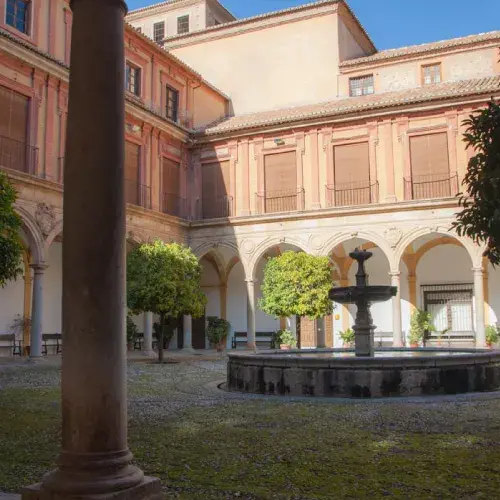
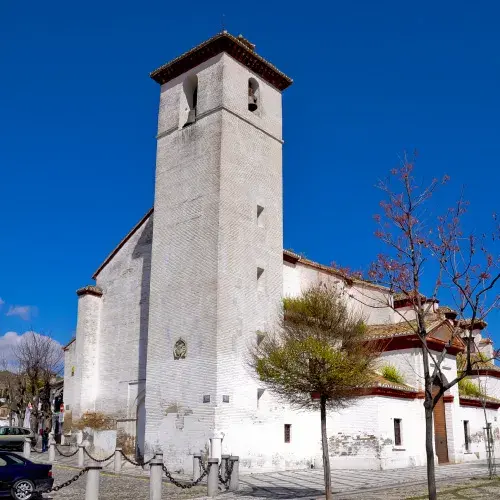
With a single pass, you will not only save time and money, but you will have direct access to the architectural jewels that hold the Queen's legacy: the Granada Cathedral, the Royal Chapel, the Carthusian Monastery, the Monastery of San Jerónimo, the Sacromonte Abbey, and the spectacular panoramic view from the Church of San Nicolás.
Are you ready to discover the secret history of the Queen who loved Granada? Plan your route, choose your dates, and feel the magic of the Granadan Renaissance. Book your Combined Ticket today and secure your journey to the heart of history.