



When analyzing the period of maximum cultural, artistic, and literary splendor in Spain, our gaze inevitably turns toward the 16th and 17th centuries. However, the phenomenon of the Golden Age in Granada acquired unique and fascinating characteristics. Following the historic Conquest of 1492, the ancient Nasrid capital was transformed into a blank canvas for the Spanish Empire; a strategic territory where the Crown and the Catholic Church poured their greatest efforts into monumental architecture and spiritual renewal. The result of this historical process was the birth of an impressive network of temples where the geniuses of the era experimented with classical forms and the suntuosity of the early Andalusian Baroque.
Planning a complete cultural route Granada today necessarily implies following the footsteps of those universal creators who challenged the laws of physics, stone, and canvas. Figures of the stature of Diego de Siloé, Jacobo Florentino, Vicente Carducho, or José Risueño did not just decorate temples; they masterfully sculpted the new urban identity of the city. From the official platform of Tickets Granada Cristiana, we invite you to delve into the depths of this valuable ecclesiastical heritage and discover the great secrets of the geniuses who defined an era of eternal splendor.
Granada Cathedral: Diego de Siloé and the revolution of sacred space
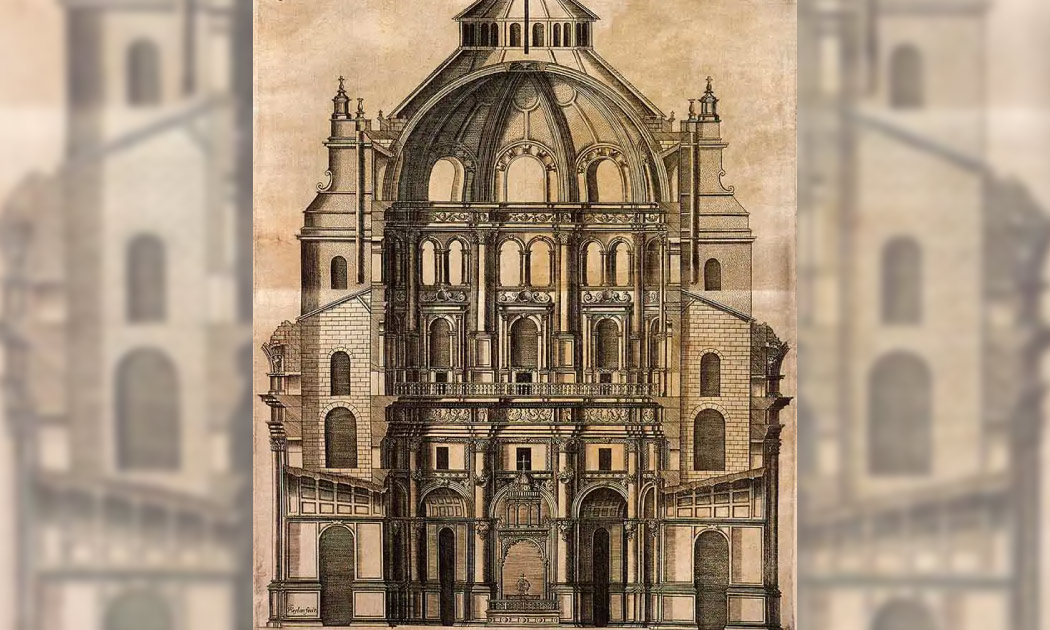
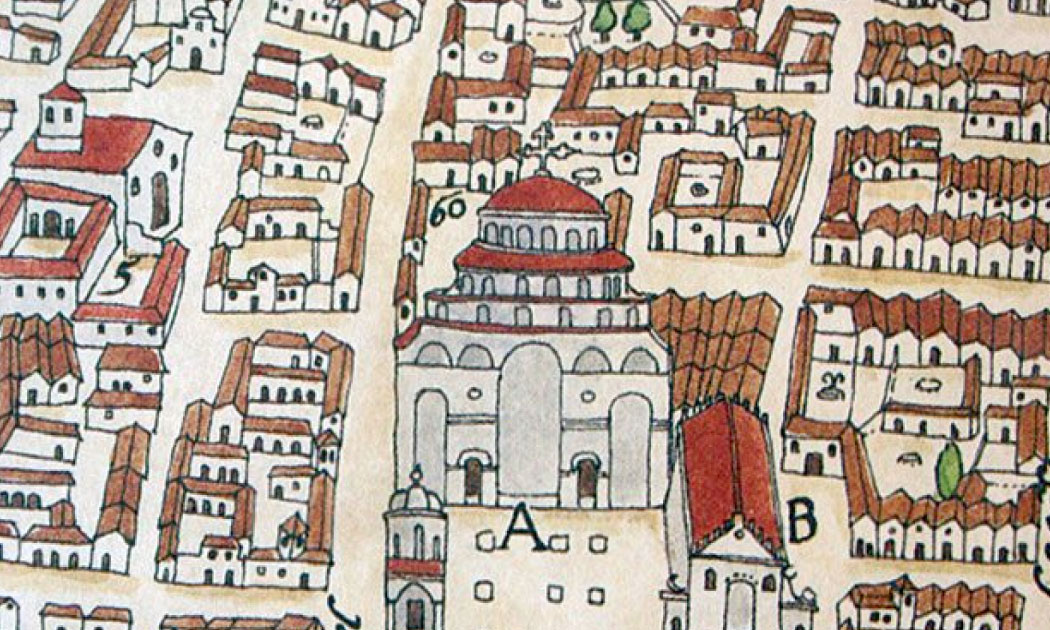
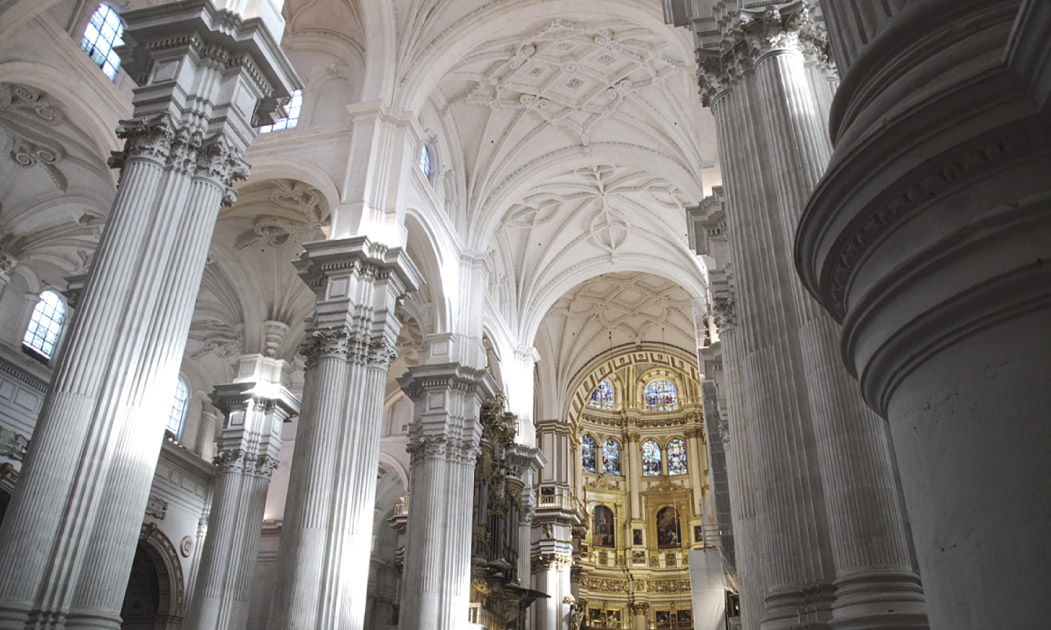
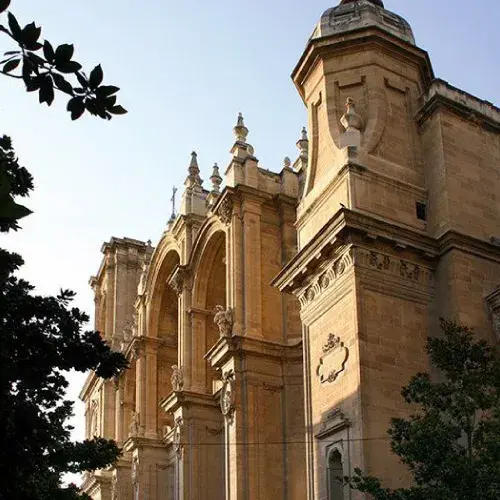
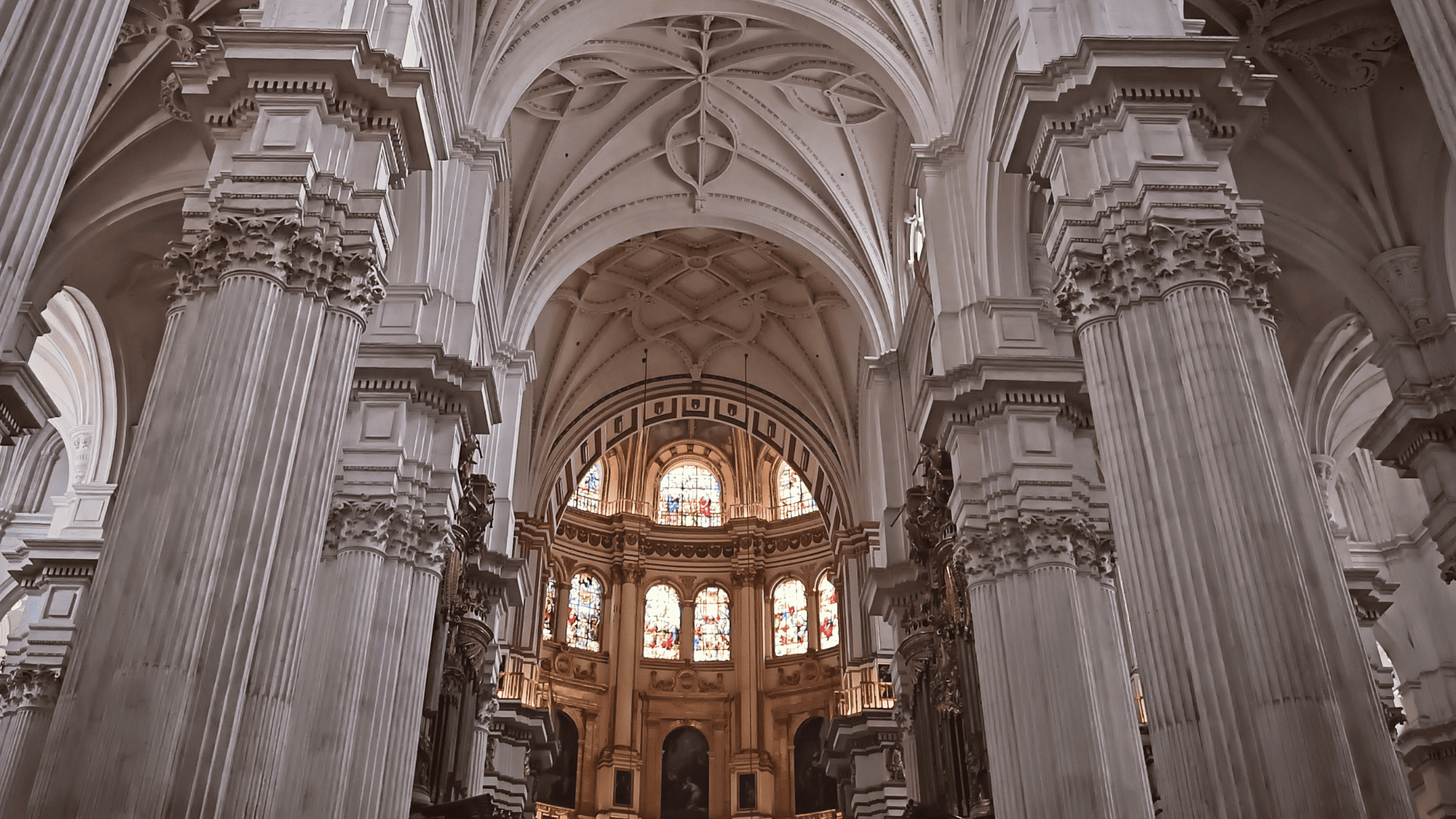
Any itinerary dedicated to exploring Renaissance art Granada must logically begin at the majestic Granada Cathedral. Initially conceived under Gothic designs by the architect Enrique Egas, the arrival of the brilliant master from Burgos, Diego de Siloé in 1528, marked a radical and providential turn in the imperial project. Siloé, deeply influenced by his artistic training in Italy, took on the immense challenge of erecting a monumental temple of colossal proportions by masterfully adapting classical orders to a basilican layout of medieval tradition.
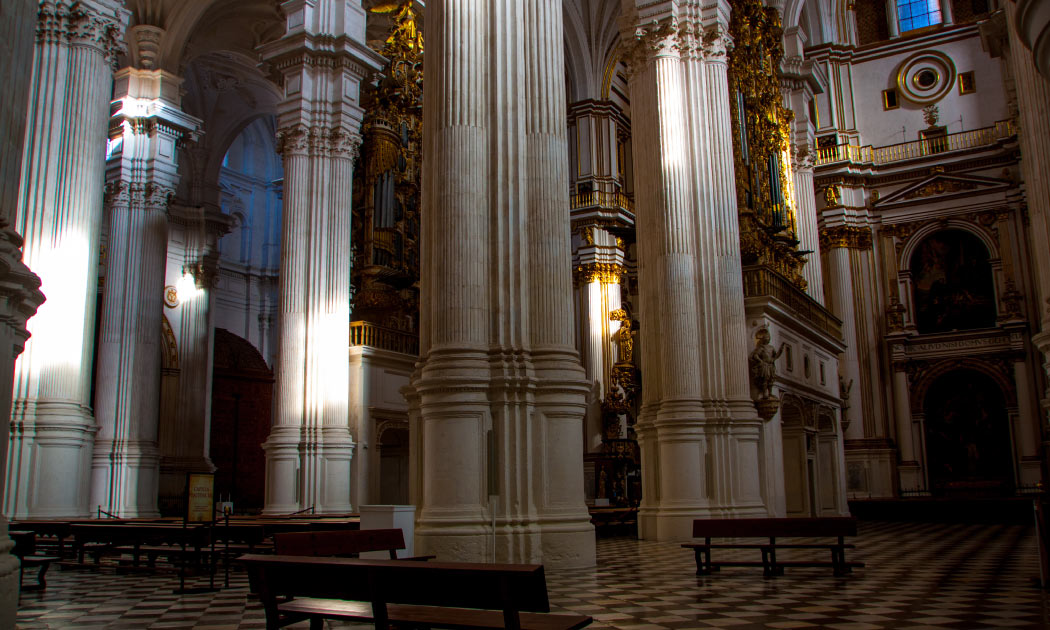
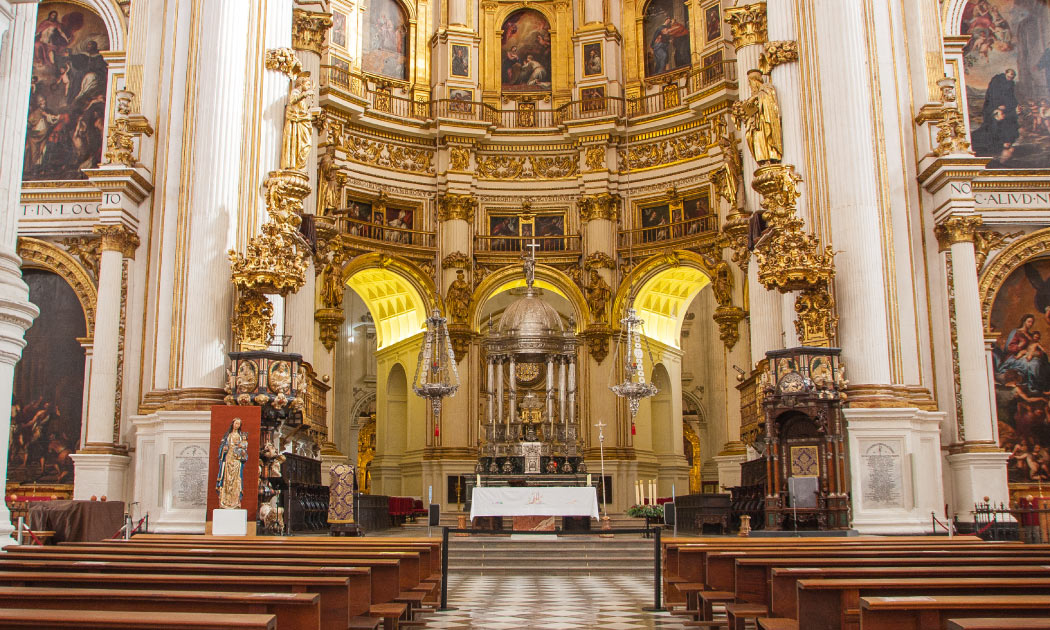
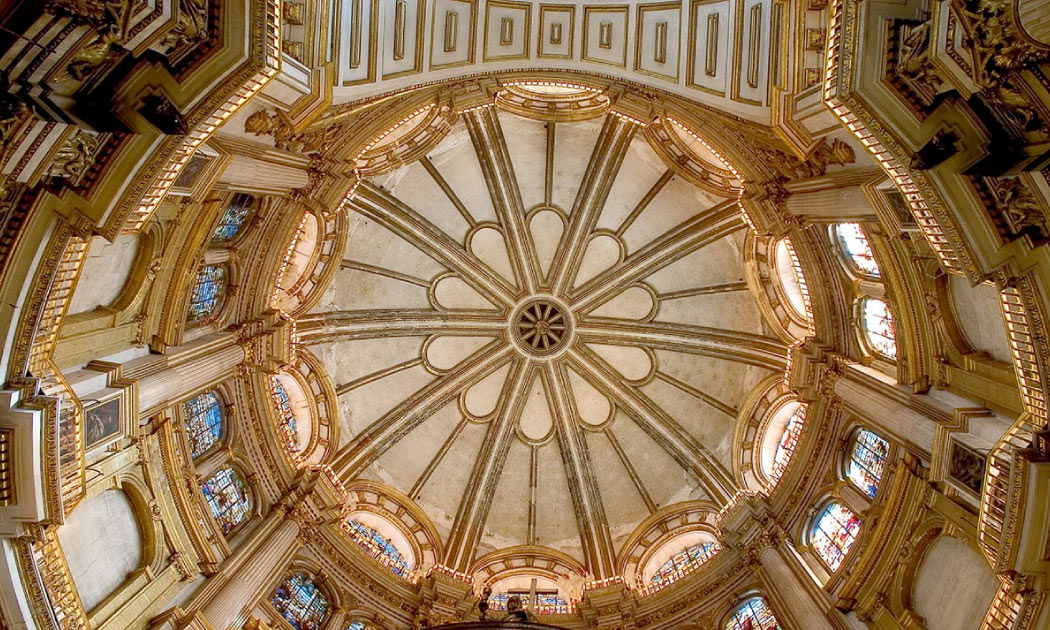
The spatial genius of Diego de Siloé becomes immediately evident when looking up toward the superb Main Chapel (Capilla Mayor). The architect designed a spectacular circular main chapel, whose imposing dome rises into the sky, flooding the entire sacred enclosure with a purifying natural white light through its high catechetical stained-glass windows. To sustain such an immense vaulted structure, Siloé introduced the famous Corinthian pillars into the temple: colossal freestanding supports that uniquely combine superimposed classical pilasters and columns, achieving a sense of visual lightness and height unprecedented in Hispanic architecture of the Early Modern Age.
An extraordinary technical fact from our historical archives reveals that the Cathedral's imposing triumphal arch (arco toral)—considered one of the master renaissance's indisputable masterpieces—measures exactly 32.5 meters high by 12 meters wide. Its complex and detailed iconographic program visually narrates the beginnings of the human family and the historical origins of the Church in Spain, consolidating this space as the great built manifesto of Andalusian Christian Humanism that you cannot miss.
Monastery of San Jerónimo: The golden crucible of Renaissance architecture
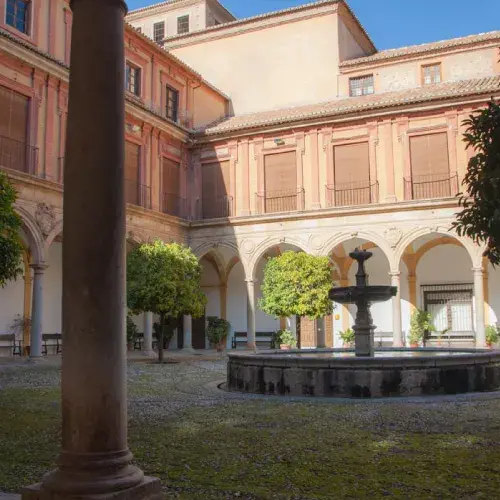
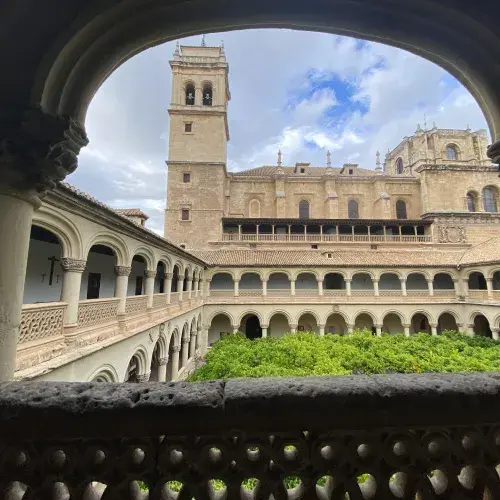
A short walk from the cathedral see lies the historic Monastery of San Jerónimo, a monumental enclave that represents like no other the constructive spirit and suntuosity of the early years of Christian Granada. Built fundamentally between the years 1513 and 1590, this monastic complex stands out in art history as the result of the joint work and stylistic transition of two immense geniuses of the era: the Italian Jacobo Florentino and Diego de Siloé himself.
The master Jacobo Florentino successfully introduced the avant-garde styles of the Florentine school into the monastery's initial design, highlighting the layout of its beautiful and harmonious main cloister surrounded by orange trees. After his passing, Siloé took over the works, boldly assuming the completion of the fastuous conventual church. The coordinated efforts of both masters resulted in one of the most beautiful and proportionate religious structures of the Golden Age in Granada in the entire Iberian Peninsula.
The Main Chapel of the temple was planned with extreme solemnity, as it was destined by royal decree to house the burials and the family pantheon of Gonzalo Fernández de Córdoba, universally acclaimed in history as the Great Captain (El Gran Capitán), and his distinguished wife, the Duchess of Sesa. The immense and gilded main altarpiece, a massive display of sculpture, reliefs, and praying statues created at the end of the 16th century, masterfully exalts the religious virtues and legendary military exploits of the hero of the Spanish Crown. Every corner and every rich mural painting created by Juan de Medina's workshop turn San Jerónimo into an indispensable milestone on your cultural route Granada.
The Carthusian Monastery: Spiritual mysticism and heartbreaking Baroque rawness
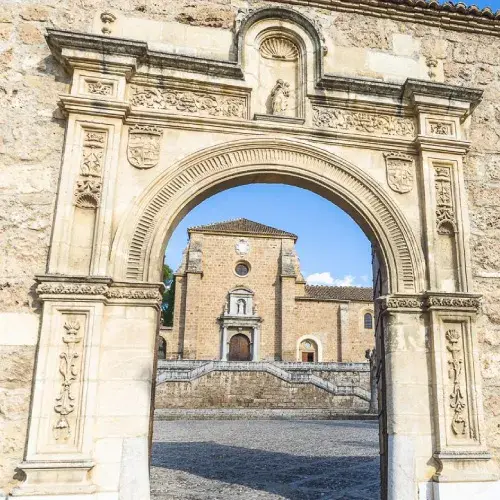
As we advance chronologically through the course of the Golden Age in Granada, the harmonious, rational, and balanced lines of the classical Renaissance give way to the mystical fervor, dynamism, and drama typical of the Catholic Counter-Reformation. The ultimate expression of this profound aesthetic and spiritual change can be found when entering the breathtaking Carthusian Monastery of Granada, formally declared a Site of Cultural Interest.
While the suntuosity of its world-famous Baroque Sacristy and the dazzling splendor of its high altar capture the admiration of visitors due to the spectacular contrast of their rich marbles and plasterwork, the true essence of the order's contemplative life is hidden within the sober walls of its Church and common rooms. In these sacred spaces, the painter of Italian origin Vicente Carducho, one of the great masters of the Madrid court and a leading exponent of pictorial tenebrism in Spain, takes absolute center stage.
The master Vicente Carducho was commissioned with the monumental task of creating an extensive series of canvases intended to decorate the strictly cloistered areas of the monks. His masterful paintings depict, with shocking rawness, the historical martyrdoms, persecutions, and miracles suffered by members of the Carthusian order throughout their history in Europe. The expressive strength of the faces, the contained violence of the scenes, and the dramatic use of chiaroscuro naturally invite the viewer into a state of reverential silence and deep introspection. It is, undoubtedly, a fundamental pictorial testimony to understanding the most mystical and spiritual side of Andalusian Baroque art.
Sacromonte Abbey: The recovered splendor of sacred art in the catacombs
Our specialized immersion into the heritage of the great masters of the Golden Age culminates at the top of the sacred Mount Valparaíso, visiting the mystical Sacromonte Abbey. This extraordinary complex, born after the mysterious discovery of the relics of San Cecilio and the famous Lead Books (Libros Plúmbeos) at the end of the 16th century under the mandate of Archbishop Don Pedro de Castro, established itself as the main driving force for the exaltation of faith and a refuge for pilgrims in eastern Andalusia.
The Abbey's museum is the official repository of a very rich pictorial and sculptural heritage spanning the final stretch of the Golden Age in Granada and the full maturity of sacred art. Among its most acclaimed artistic treasures is the figure of José Risueño, considered by specialized critics to be the last great master of the Granadan school of sculpture and painting, a faithful continuator of Alonso Cano's aesthetic legacy. In the exhibition halls of this monument, we can admire his masterful oil painting "The Coronation of the Virgin by the Holy Trinity", a piece overflowing with formal elegance, compositional dynamism, and chromatic warmth so characteristic of his Baroque brush.
Alongside brilliant local production, the Abbey guards international world-class pictorial works. A conservation fact of special historical relevance present in our archive records is the meticulous restoration to which the great work "The Adoration of the Angels" was subjected—a superb canvas signed by the court painter Vicente Carducho in the year 1631. The delicate institutional restoration process returned all the original light, vividness of colors, and Baroque nuances to this hidden jewel of the Sacromonte hill. Visiting its famous Holy Caves and its permanent exhibition means connecting directly with the deepest artistic roots of Spain.
Follow the steps of the great masters with the official Combined Ticket
The artistic splendor of the Golden Age in Granada cannot be fully understood in a fragmented way by visiting a single isolated monument; it is a continuous cultural narrative, an intertwined dialogue where the humanist architecture of the Cathedral connects with the military pantheon of San Jerónimo, the mystical suntuosity of the Cartuja, and the sacred legends kept in the catacombs of Sacromonte. Every Corinthian pillar, every tenebrist canvas, and every gilded altarpiece make up the pieces of a unique historical and artistic puzzle in the world.
For those travelers enthusiastic about history and sacred art who wish to complete this spectacular cultural route Granada with absolute comfort, time flexibility, and significant economic savings, we provide our primary booking tool: the official Combined Ticket of the Archdiocese. With the purchase of a single, simplified digital pass, you guarantee direct, priority, and secure access to the major architectural milestones described throughout this article:
- The imposing and monumental Granada Cathedral.
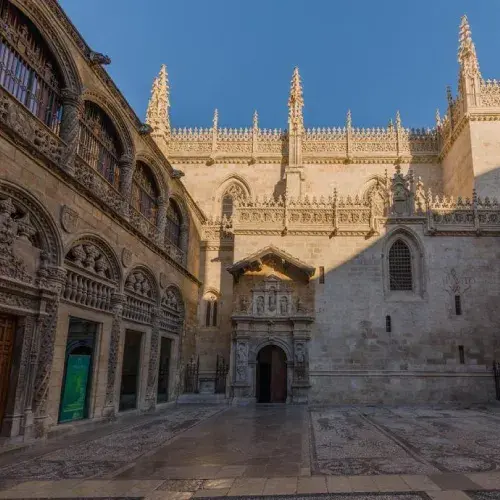
- The historic and famous Royal Chapel of Granada, tomb of the Catholic Monarchs.
- The dazzling and majestic Carthusian Monastery.
- The Renaissance peace of the Monastery of San Jerónimo.
- The mystical and panoramic Sacromonte Abbey.
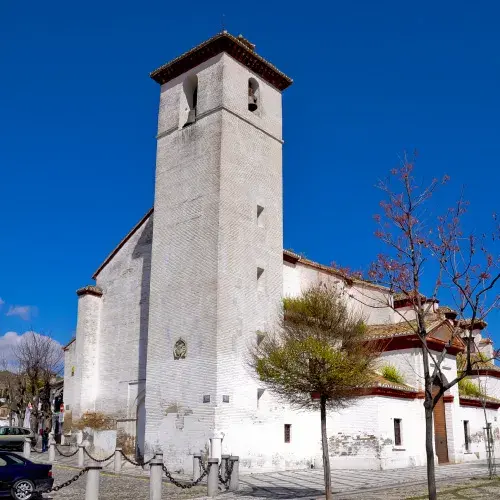
- The spectacular monumental viewpoint and bell tower of the Church of San Nicolás in the heart of the Albaicín.
Optimize your travel budget by reducing the costs of individual tickets, save valuable time by avoiding annoying lines at physical ticket offices, and enter the fascinating artistic universe of Diego de Siloé and the great masters of the Spanish Baroque without friction. Book your Combined Ticket today at Tickets Granada Cristiana and prepare to walk through the living and sacred history of our city.