

Guide to the Monastery of La Cartuja in Granada: Spain's Most Breathtaking Baroque

Guide to the Monastery of La Cartuja in Granada: Spain's Most Breathtaking Baroque

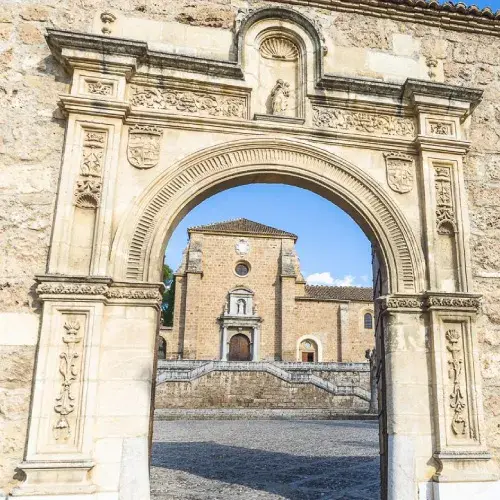
The Monastery of La Cartuja in Granada (officially, the Real Monasterio de Nuestra Señora de la Asunción de la Cartuja) is one of the finest examples of Baroque art in Spain. Its interior — of an almost overwhelming decorative richness — stands in sharp contrast to the sober exterior façade, making it one of Granada's greatest surprises. General admission costs €7 (free for children under 12) and tickets can be purchased online at Tickets Granada Cristiana, with discounts available through the Combined Ticket.


What is the Monastery of La Cartuja in Granada?

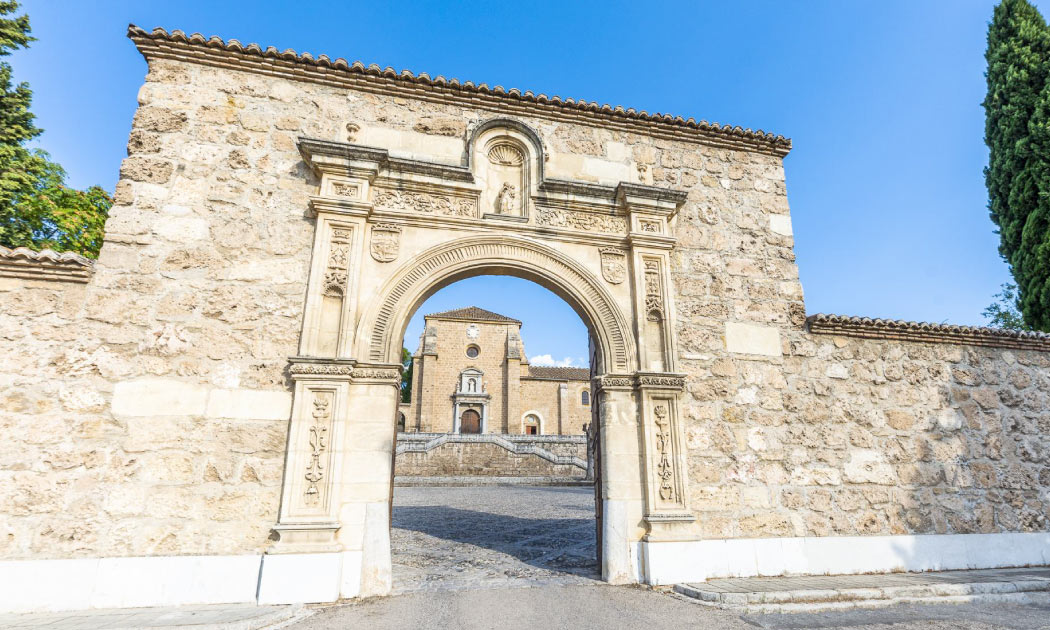
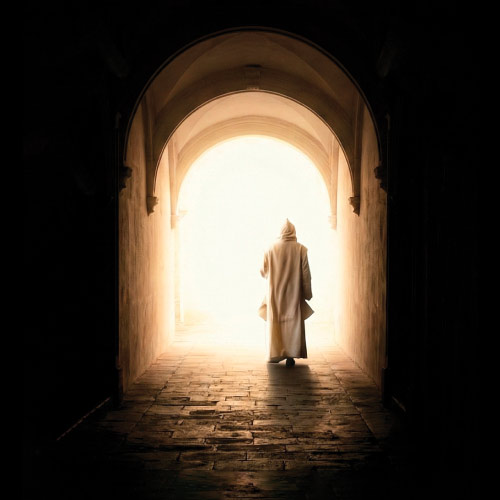
Located in the northern part of the city, just over 2 km from the historic centre, the Monastery of La Cartuja is a vast monastic complex that served as home to Carthusian monks for three centuries. What makes this building truly unique is not just its beauty, but the extraordinary contradiction it holds: a religious order that professed vows of silence, poverty and austerity went on to build one of the most ornate interiors in all of Spanish architecture.

Declared a Cultural Heritage Site and National Historic-Artistic Monument since 1932, the monastery is part of the heritage managed by the Archdiocese of Granada, with official tickets sold through Tickets Granada Cristiana.

If you have already visited the Alhambra, the Cathedral or the Royal Chapel and are looking for a place that will take your breath away without hours of queuing, La Cartuja is exactly that.


History: from El Gran Capitán's lands to Spain's most exuberant Baroque

The history of the Monastery of La Cartuja begins with an act of devotion and ends in a dispute. Don Gonzalo Fernández de Córdoba, El Gran Capitán — the Castilian nobleman who reconquered the Kingdom of Naples and one of the most brilliant military commanders of the Catholic Monarchs' era — donated the lands of his Aynadamar orchards to build a Carthusian monastery. He even dreamed that his remains would one day rest there.

However, in 1514 the new prior of the order, Fray Alonso de Ledesma, rejected the donated land and drew up new plans at a different location. El Gran Capitán, deeply offended, withdrew his patronage. Construction began officially in 1516 and continued for three centuries, which explains the blend of architectural styles visible in the building today: Plateresque, Renaissance, late Gothic and, above all, Baroque.

A key moment in the monastery's history was the arrival of the lay brother and painter Fray Juan Sánchez Cotán, who entered the Carthusian order in Granada. His still lifes — considered forerunners of Spanish Realism — are held in the world's greatest museums, but some also hang on the walls of this very monastery.

During the ecclesiastical confiscations of the 19th century, the Carthusian monks were expelled. The complex went through difficult years before recovering its purpose as a place of worship and cultural tourism, today home to a community of monks who continue to inhabit part of the monastery.


What to see inside: the spaces that will leave you speechless

A visit to the Monastery of La Cartuja is a journey through two completely contrasting worlds that coexist under the same roof.

The Claustrillo and the lay brothers' quarters: serene austerity

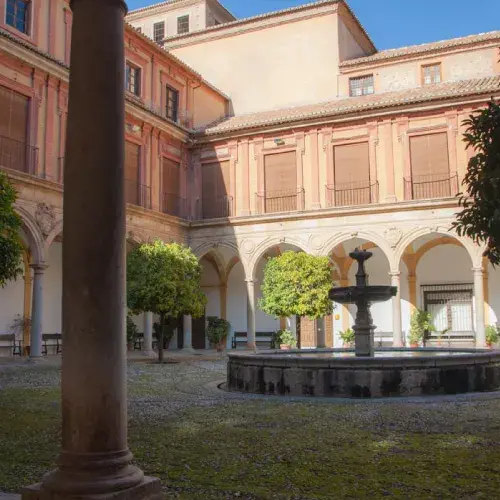
The first part of the visit takes you through the everyday spaces where the monks worked and prayed. The Claustrillo — an Arabic-style courtyard with orange trees and a central fountain — reflects the Mudéjar influence that runs through much of 16th-century Granadan art. This area also houses the paintings of Sánchez Cotán: works that combine the Flemish still-life tradition with a very particular spirituality.

The Church: where the Baroque holds nothing back

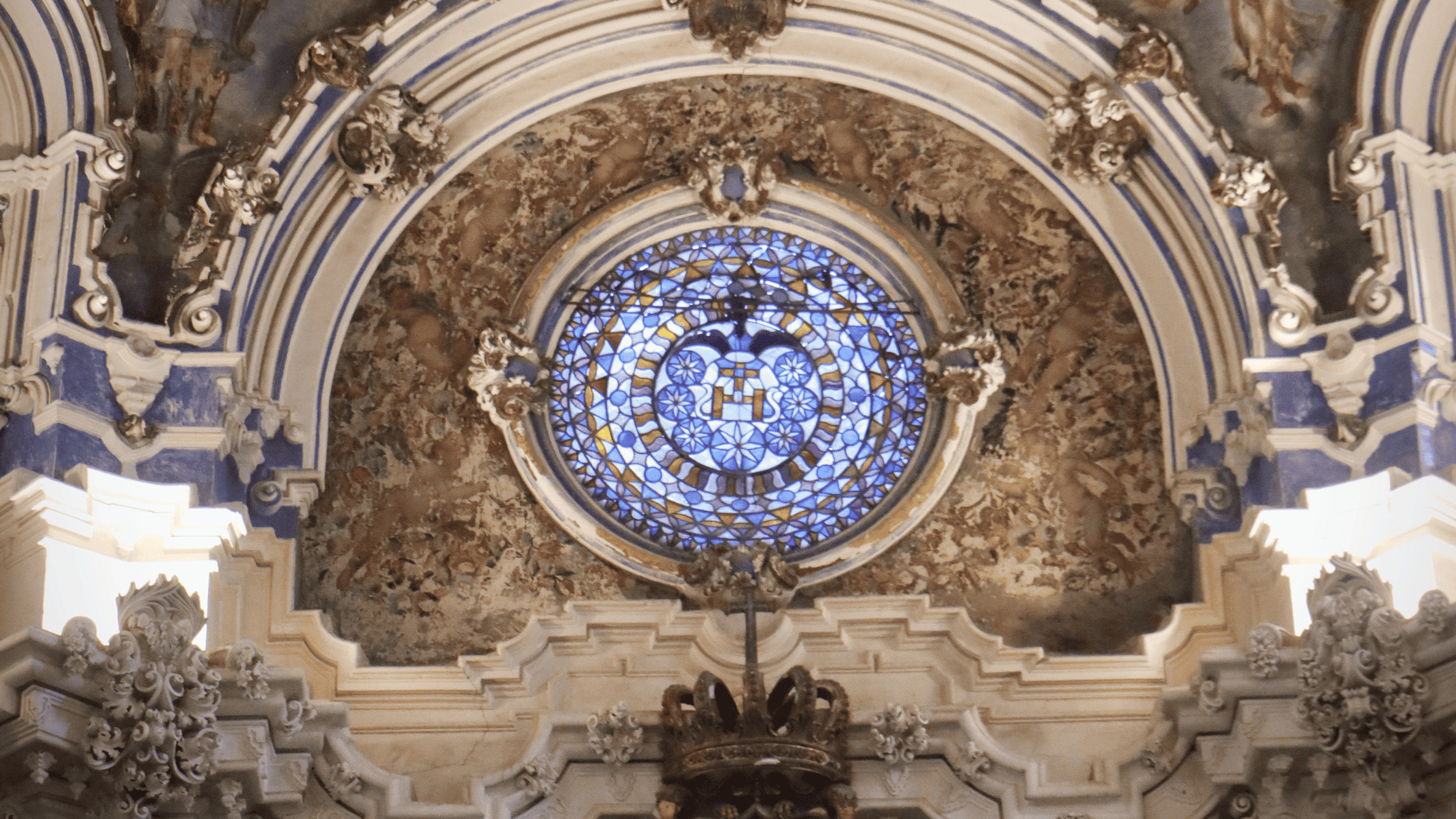
Crossing the threshold into the church feels like moving from a whisper to a symphony. The vaults are covered in frescoes by Antonio Palomino, the altarpieces compete in exuberance and every centimetre of surface seems to refuse to be left bare. This is Spanish Baroque in its most extravagant phase — the style known as Churrigueresque.

The Sacristy: the "eighth wonder of the Baroque"

If there is one space that justifies the visit on its own, it is the Sacristy. Built between 1727 and 1764, its decoration in coloured marbles, white stucco and tortoiseshell and ivory inlay work make it one of the most photographed Baroque spaces in Europe. There is not a single undecorated surface. Visitors often fall silent before it, gazing upwards.

The Sancta Sanctorum and the Tabernacle

The visit concludes in the Sancta Sanctorum, the most sacred chapel in the complex, and the Tabernacle, which rivals the Sacristy in its richness. The coloured marbles, jasper and precious metals used throughout bear witness to the enormous artistic power accumulated by the Carthusian order in Granada during the 17th and 18th centuries.

How to get to the Monastery of La Cartuja

The monastery is located at Paseo de Cartuja s/n, next to the university campus, approximately 2 km from the historic centre.

On foot, from Plaza Nueva it is about 30–35 minutes following the signs. By city bus, lines 8, U1, U2 and U3 stop at Paseo de Cartuja – Monasterio de Cartuja. By car, parking is available on Paseo de Cartuja itself and on the streets around the campus, including free parking zones.


Practical tips before your visit

  • Buy your ticket online, especially in July, August and Holy Week.
  • Download the audio guide before leaving your hotel; indoor coverage may be patchy.
  • Dress appropriately: bare shoulders and knees are not permitted.
  • Photography and video are allowed, but without flash, tripods or selfie sticks.
  • Tourist visits are suspended during liturgical services; check the updated schedule before you go.
  • At the entrance you will find the monks' craft shop selling their famous hand-made rosaries scented with rose or jasmine petals.
Why visit the Cartuja Monastery?

Why visit the Cartuja Monastery?