

Granada has two great monasteries and both are part of the Tickets Granada Cristiana portfolio. They share a history — both were born from the devotion of the Catholic Monarchs in the wake of the Reconquista — but they are completely different in character, style and visitor experience. If you have time for both, perfect. If you have to choose, this guide will help you decide.
Before the differences, what they share: both are active monasteries with a religious community, both have a church of extraordinary beauty, both offer free entry for children up to 12 years old and both can be combined at a discount with the Tickets Granada Cristiana Combined Ticket. They also share something less obvious: both are closely linked to the figure of Gonzalo Fernández de Córdoba, El Gran Capitán. In the case of La Cartuja because the original land was donated by him — though the agreement eventually broke down; in the case of San Jerónimo because that is where El Gran Capitán is buried.
| Monastery of La Cartuja | Monastery of San Jerónimo | |
| Style | Baroque (17th–18th centuries) | Renaissance (16th century) |
| Interior | Exuberant, ornamental, not a centimetre left bare | Elegant, balanced, grand in scale |
| Star feature | The Sacristy | The Church and El Gran Capitán's altarpiece |
| Cloister | Not open to visitors | Large, with orange trees, highly photogenic |
| Location | North of the city, next to the university campus | Historic centre, 5 min. walk from the Cathedral |
| Visitor numbers | Medium | Low — the least crowded in the portfolio |
| Adult price | €7 | €7 |
| Children up to 12 | Free | Free |
| Visit duration | 45 min – 1 hour | 45 min – 1 hour |
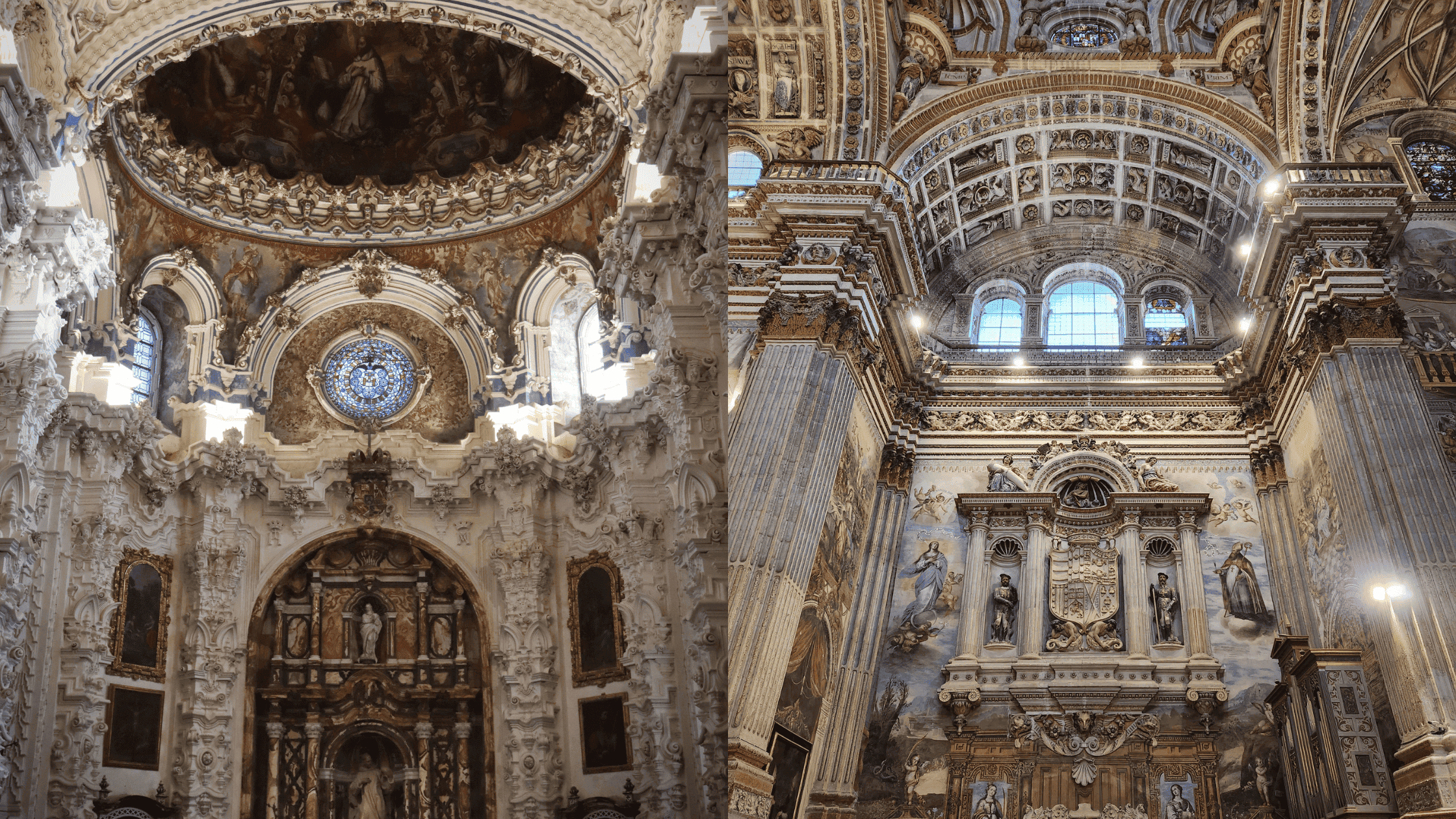
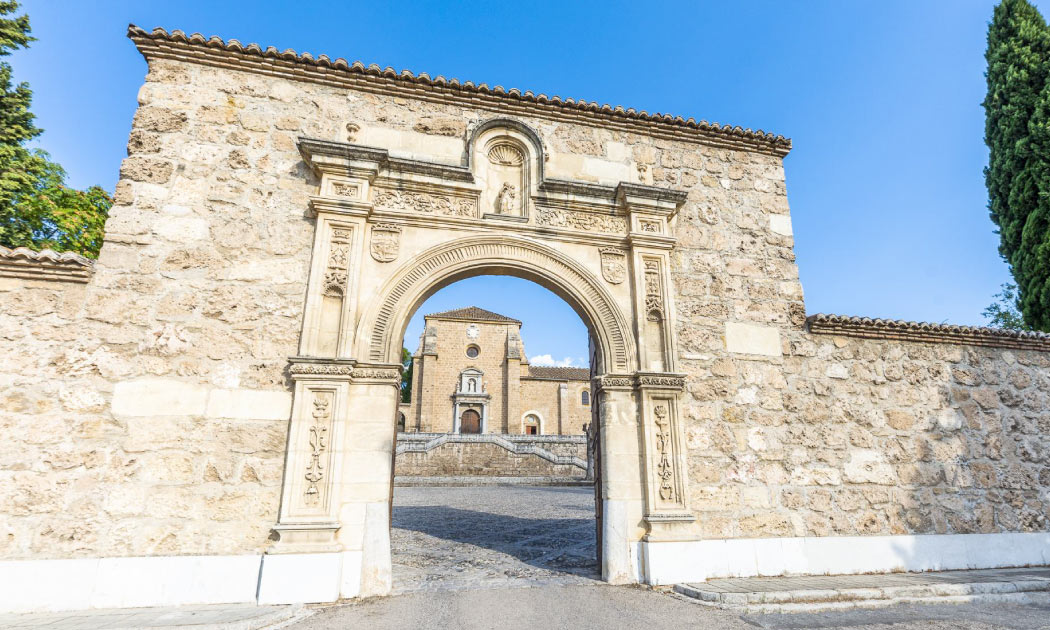
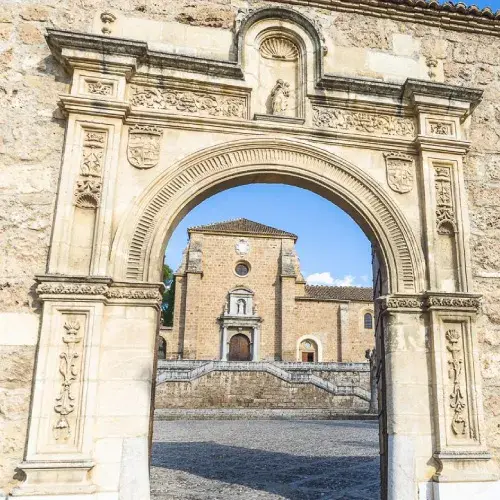
La Cartuja is the monastery that makes the biggest impression on a first visit. Its exterior façade is sober and barely draws the eye, but when you cross the threshold into the church or the sacristy the effect is immediate: an explosion of coloured marbles, white stucco, vault frescoes and tortoiseshell and ivory inlay work that leaves no surface untouched. This is Spanish Baroque in its most exuberant phase — the style known as Churrigueresque — taken to its absolute limit.
The Sacristy, built between 1727 and 1764, is the most photographed space in the complex and the one that generates the strongest reactions. Visitors often fall silent before it, looking upwards, searching for a visual resting point that simply does not exist. It is, in that sense, an almost physical experience.
La Cartuja is also the monument that most surprises visitors who arrive without high expectations. That contrast between the discreet exterior and the exuberant interior is the building's greatest asset and one of the reasons many visitors consider it the most memorable monument of their trip to Granada.
Choose La Cartuja if: you are looking for visual impact, you are interested in Baroque art, you want the monument that surprises the most, or you are planning a visit during the hottest hours of the day (its cool, dimly lit interior makes it a perfect refuge in summer).
San Jerónimo is the first Christian monastery built in Granada after the Reconquista, and that alone gives it a historical significance La Cartuja does not hold in quite the same way. Founded under the patronage of the Catholic Monarchs and built in the 16th century with the involvement of architect Diego de Siloé — the same man who designed the Cathedral — it is a jewel of Spanish Renaissance architecture that most tourists overlook in favour of better-known monuments.
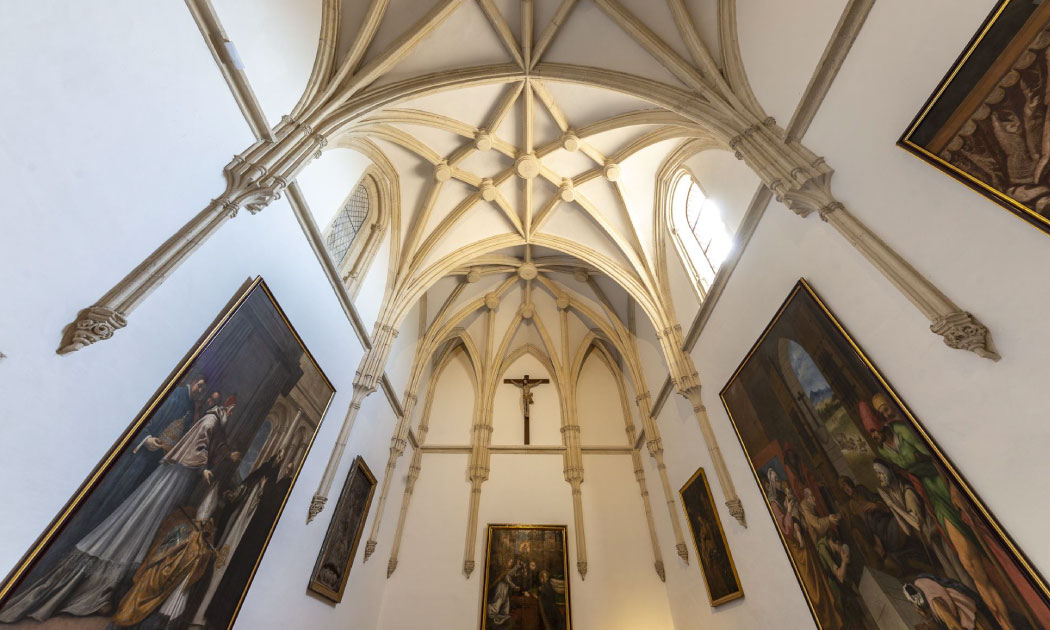
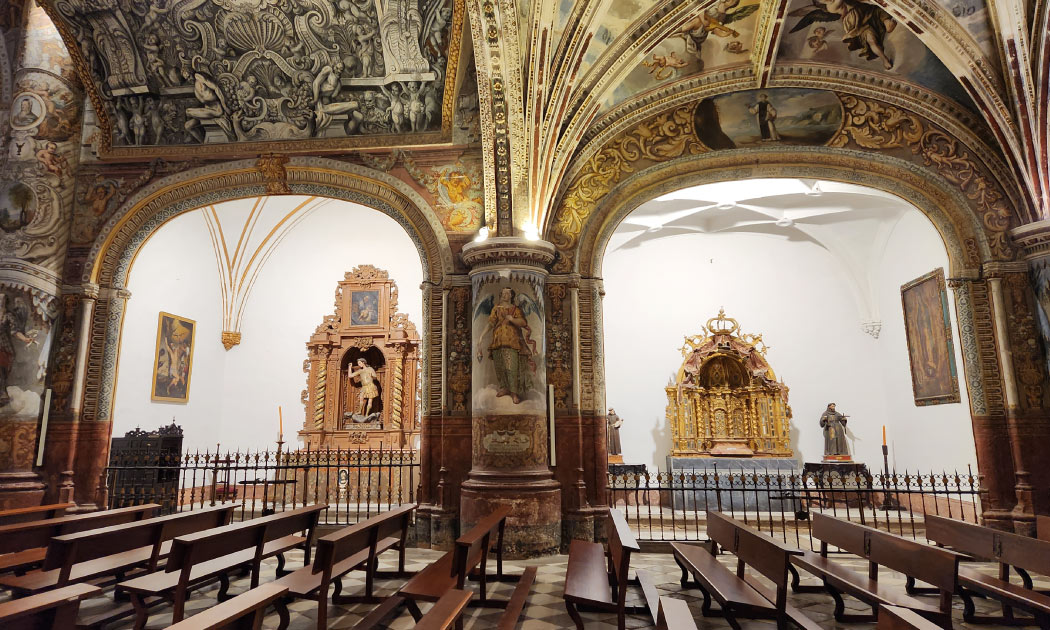
Its church is of imposing scale: a single nave with Gothic vaulting and side chapels that culminate in a major altarpiece of extraordinary richness. That altarpiece, dedicated to El Gran Capitán buried in the crossing, combines saints, heroes, mythological figures and angels in a composition that is both a funerary monument and a declaration of power. This is the Granadan Renaissance at its finest.
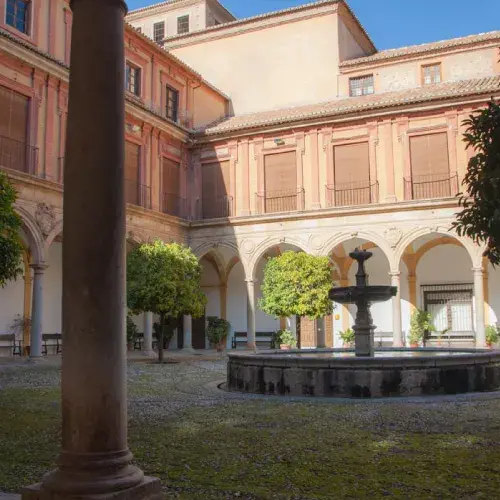
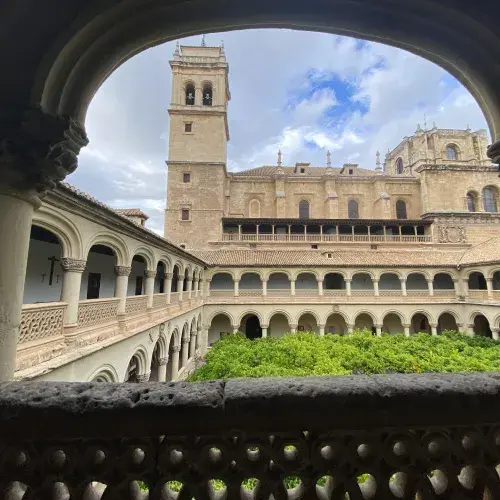
But what makes San Jerónimo a particularly enjoyable visit is its cloister. Vast, two-storey, with orange trees and a central fountain, it is one of the most serene and photogenic spaces in all of Granada. In peak season, while other monuments fill with visitors, San Jerónimo maintains a calm that makes it even more special.
Choose San Jerónimo if: you are interested in the history of the Reconquista, you prefer the Renaissance to the Baroque, you are looking for a monument without crowds, or you want a space with a cloister to explore at your own pace.
It is perfectly possible to combine them in a single day, though they are in different parts of the city: San Jerónimo is in the historic centre, a five-minute walk from the Cathedral; La Cartuja is in the northern neighbourhood, next to the university campus, about 2 km from the centre.
One suggestion: start with San Jerónimo first thing in the morning, taking advantage of its central location and the fact that the cloister is at its best in the quiet of the morning. Then make your way to La Cartuja for the middle of the day, when the cool of its interior is especially welcome in summer.
The Tickets Granada Cristiana Combined Ticket lets you include both at a discounted price. If you are also planning to visit the Cathedral, the Royal Chapel or any other monument in the portfolio, the saving grows with each monument added.