



Planning a trip to experience Granada at Easter (Semana Santa) means immersing yourself in one of the most profound, aesthetic, and moving traditions in all of Andalusia. For eight days, the cobbled streets, historic squares, and viewpoints of the city transform into a stage where the religious imagery of the 16th and 17th centuries comes alive. However, beyond the impressive processions that wind through the historic center, the true essence of the city's fervor and Christian history lies within the walls of its major temples.
The influx of visitors during these spring days is exceptionally high. The streets smell of incense and orange blossom, and navigating the downtown area requires patience and planning. For this reason, if you want to discover the monumental heritage of the Archdiocese, improvisation is not a good ally. Organizing your itinerary in advance, knowing the historical peculiarities of each space, and securing your tickets will allow you to enjoy a seamless and deeply immersive cultural experience.
The Epicenter of the Passion: The Cathedral of the Incarnation
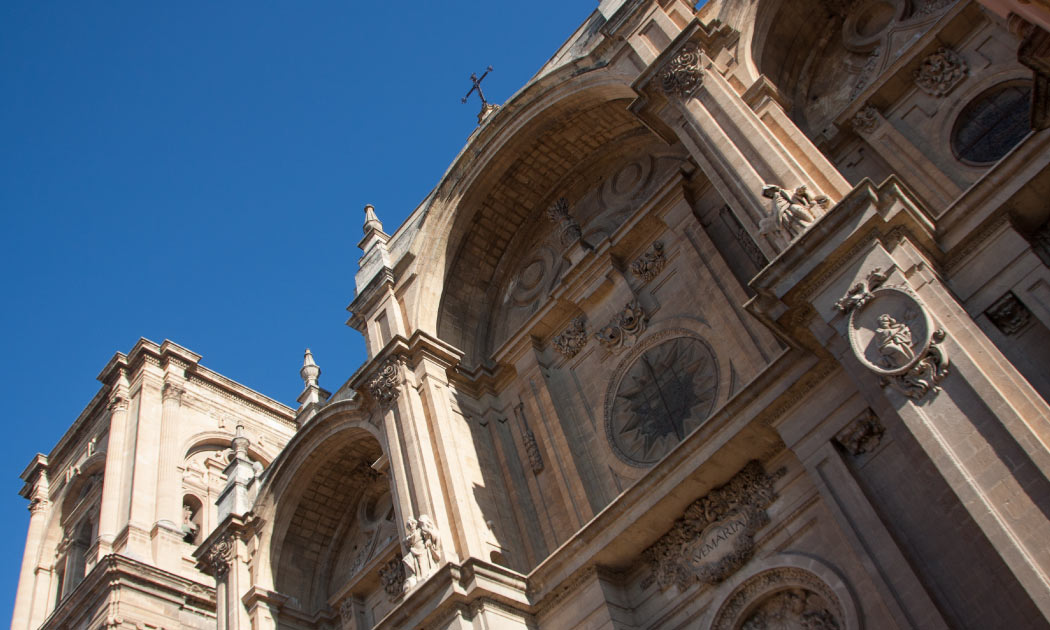
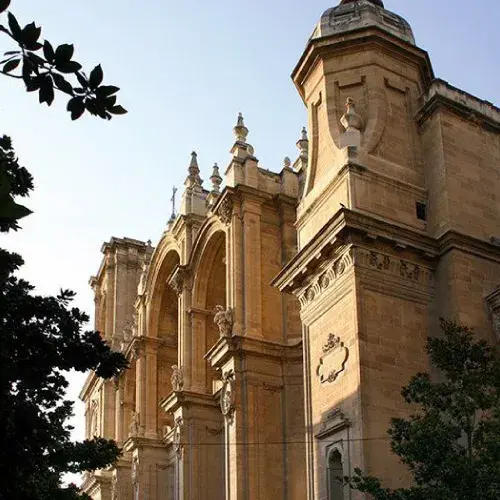
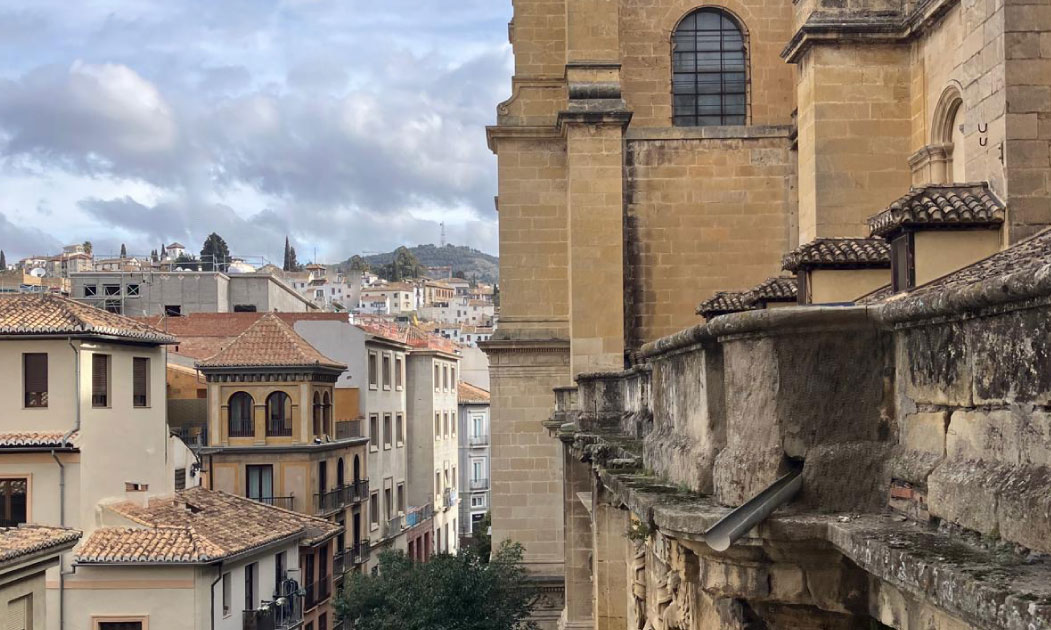
Any worthwhile route must begin in the spiritual and geographical heart of the city. The Granada Cathedral is not only the first Renaissance church in Spain, but during the days of the Passion, it becomes the mandatory Station of Penance for the vast majority of the brotherhoods that parade. Initially designed in the Gothic style and masterfully transformed by the brilliant architect Diego de Siloé, its five white naves and imposing ambulatory overwhelm anyone who crosses its threshold.
As you walk through its interior, it is essential to look up at the impressive Flemish stained glass windows and admire the two monumental Baroque organs. Visiting during these dates requires careful attention to the schedules. As it is a living temple in continuous liturgical use, the services of Holy Thursday, Good Friday, and the Easter Vigil take precedence. We strongly advise you to make your tourist visit during the mornings of the early days of the week.
The Solemnity of the Royal Chapel
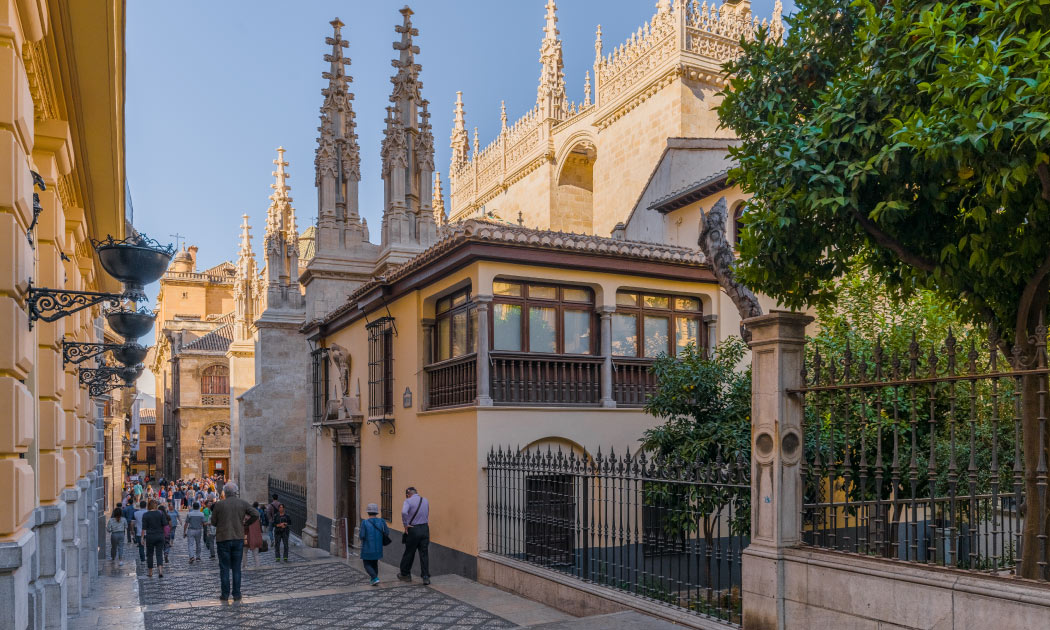
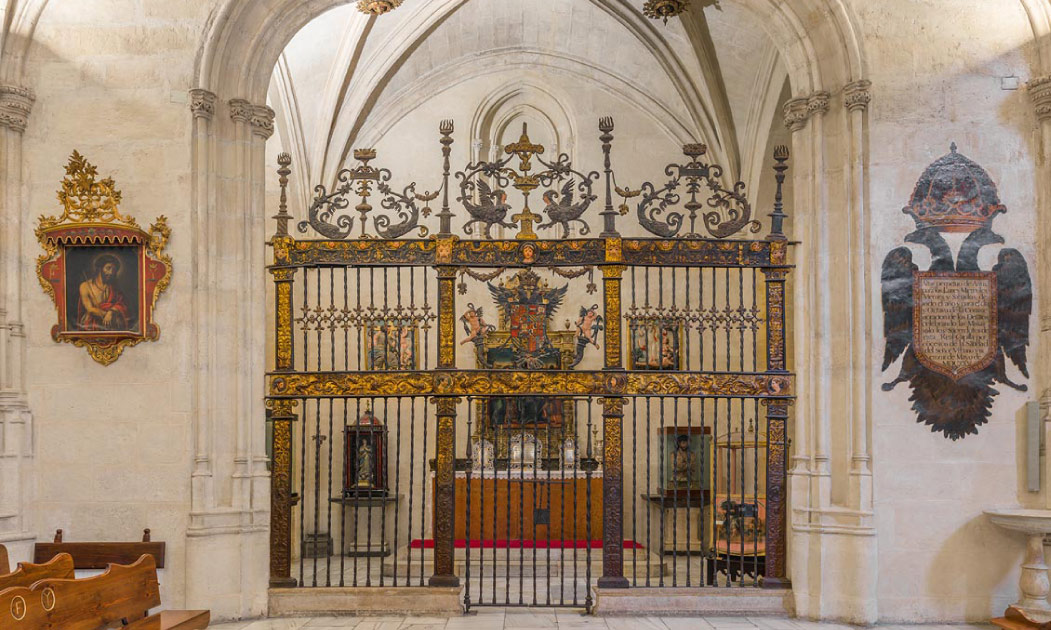
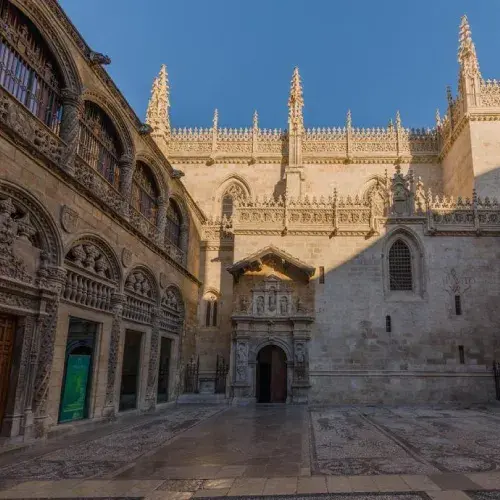
A few meters away, attached to the Cathedral wall but with its own distinct identity and spirit, is the Royal Chapel. This is the place chosen by Isabella and Ferdinand, the Catholic Monarchs, for their eternal rest. The contrast between the overflowing Renaissance of the Cathedral and the Isabelline Gothic of the Royal Chapel is a lesson in art history, guarded by the magnificent iron grille forged by Master Bartolomé.
In the context of the religious holiday, this space invites special recollection. In front of the Carrara marble mausoleum, carved by Domenico Fancelli, the silence becomes dense. Do not forget to descend into the bare crypt where the lead coffins of the monarchs rest, or to pass through the Sacristy-Museum, which houses Queen Isabella's crown, her scepter, and an exquisite collection of Flemish paintings by artists like Hans Memling and Dirk Bouts.
A Baroque Retreat: The Cartuja Monastery
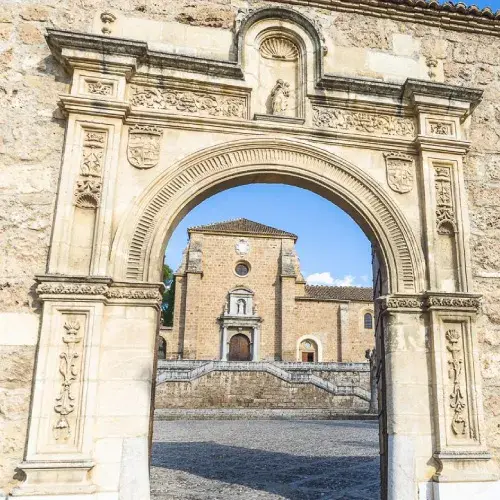
When the bustle of the historic center reaches its peak, moving towards the Cartuja Monastery offers a balm of peace. The life of the Carthusian monks was marked by a vow of silence and the strictest austerity, but, paradoxically, the temple they left us is one of the pinnacles of the Spanish and global Baroque.
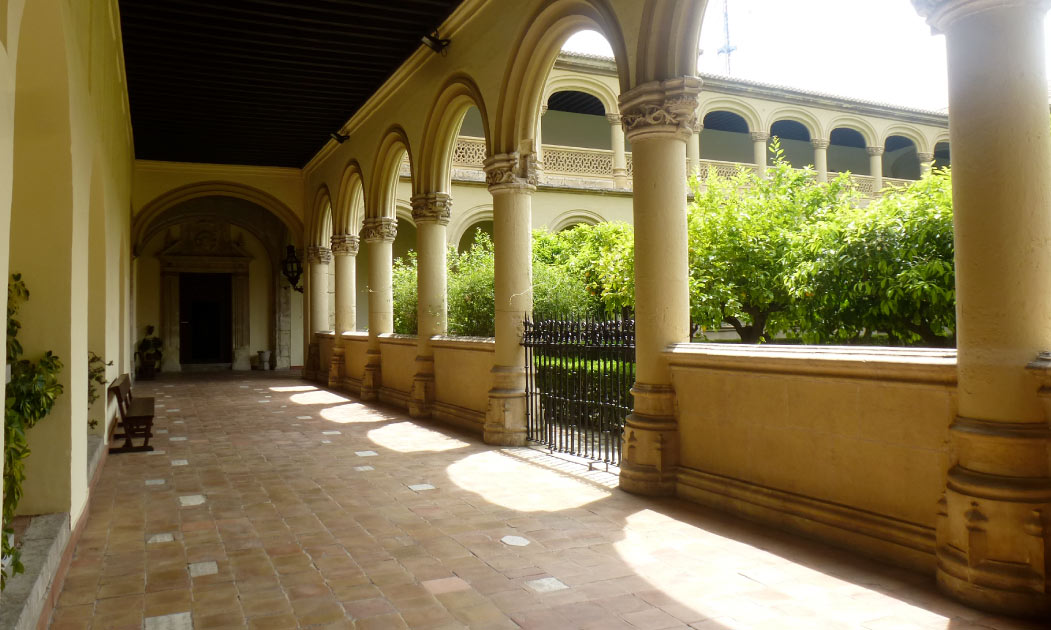
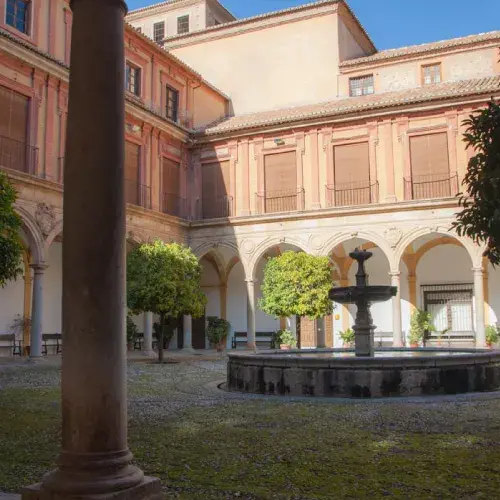
Its Tabernacle (Sagrario), a masterpiece by Francisco Hurtado Izquierdo, is an explosion of marbles, jaspers, mirrors, and stuccoes that plays with light in an almost theatrical way. It is the perfect reflection of the drama typical of Counter-Reformation art that permeates Holy Week. Walking through its cloister, scented by orange trees in spring, and admiring Vicente Carducho's paintings will allow you to understand the profound monastic devotion of the era.
The Footprint of the Great Captain in San Jerónimo
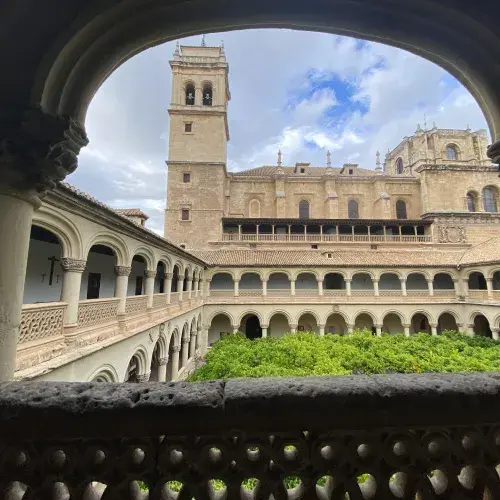
Another fundamental bastion in the configuration of the Christian city is the San Jerónimo Monastery. It was the first monastery founded in the city after the reconquest. Its church is a jewel of proportion and perspective, conceived largely to exalt the figure of Gonzalo Fernández de Córdoba, the Great Captain (El Gran Capitán), whose remains rest in the transept under a spectacular vault.
The immense Renaissance main altarpiece, with its profusion of carvings and reliefs narrating biblical episodes and the life of Christ, serves as a perfect visual catechism to prepare before seeing the scenes of the Passion represented on the processional floats. The courtyards and cloisters of this building are a haven of tranquility just minutes from the Cathedral.
The Roots of Faith: Sacromonte Abbey
You cannot understand popular Granadan religiosity without looking towards the hill of Valparaíso. The Sacromonte Abbey guards the origins of Christianity in ancient Iliberis. On Holy Wednesday, this environment takes center stage with the overwhelming departure of the Cristo de los Consuelos (Christ of the Gypsies), but the monument, with its valuable heritage including the famous Lead Books (Libros Plúmbeos), deserves a leisurely visit.
Descending into the Holy Caves (Santas Cuevas), where according to tradition Saint Caecilius (the patron saint of the city) was martyred, is to step back centuries in time. The views of the Alhambra from its porticoed square, framed by the green landscape of the Darro valley, are simply unforgettable for any traveler.
The Albaicín and the Church of San Nicolás
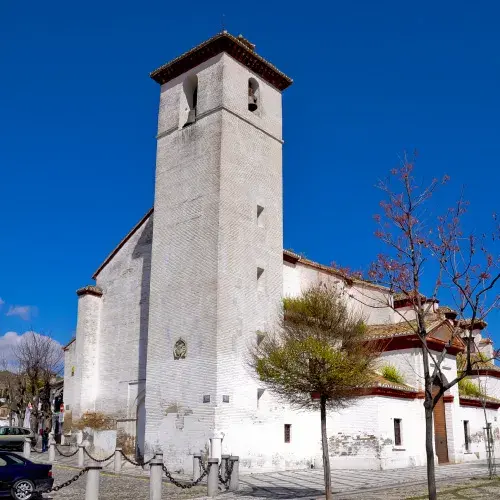
Walking through the labyrinthine streets of the Albaicín is an experience that is magnified at this time of year. In the heart of the neighborhood stands the San Nicolás Church and Tower. Recently restored, this Mudejar temple stands above what is arguably the most famous viewpoint in the world, popularized by personalities like Bill Clinton.
Climbing its bell tower will give you a unique perspective: on one side, the palatine Alhambra with the Sierra Nevada in the background; on the other, a sea of Moorish rooftops from where, if you listen closely during the evening, you can hear the echoes of the drums and bugles accompanying the neighborhood's brotherhoods.
Silentia: The Art of Contemplation at Easter
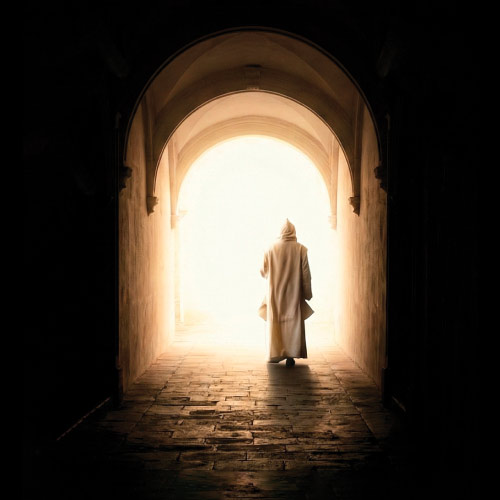
If your goal on this trip is to escape the noise and connect deeply with the spiritual dimension of the heritage, we have designed something very special. We highly recommend discovering the Silentia experience. This is an intimate approach to our spaces, an invitation to turn off mobile devices, slow down, and allow the architecture to speak through the senses and the shadows. It is the ideal activity for those seeking genuine introspection amidst the whirlwind of Easter Week.
Practical Tips for Your Trip
- Optimize your budget and time: Purchasing individual tickets at each door can mean long waits. Our main advice is to opt for the Combined Tickets through our official website. You will save money and be able to organize your monumental route at your own pace over several days.
- Monitor liturgical schedules: We reiterate the vital importance of checking public opening updates. Chrism masses and holy offices modify the usual dynamics of the temples, closing tourist access at specific times, especially from Holy Thursday to Easter Sunday.
- Attire and respect: The Granadan spring weather presents a large temperature range. Wear very comfortable shoes for the cobblestones. Also remember that you will be entering active sacred places, so decorous dress is required (avoiding bare shoulders or excessively short garments) and maintaining a low tone of voice out of respect for the worshippers.
Experiencing the city during these days is a priceless gift. At Tickets Granada Cristiana, we work to preserve this immense legacy and make it accessible so that your passage through our churches and monasteries will be one of the best experiences of your life.